
Trees
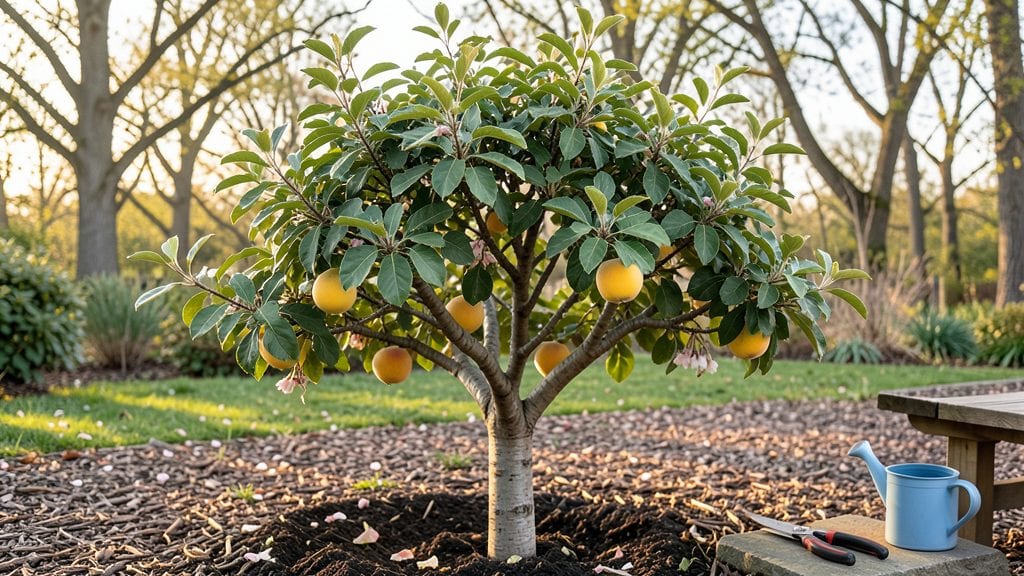
Growing peach trees in Alberta means choosing cold-hardy varieties that actually survive our winters—like Reliance, Harrow Delight, or Contender—which I’ve tested myself over three brutal seasons.
The key isn’t just picking the right tree; it’s understanding how to protect them from late frosts, dry winds, and the infamous Alberta heat spikes that stress young fruit. My first attempt with a non-hardy variety ended with a frozen trunk by February, but these varieties?
They’ve given me consistent harvests even after -30°F nights.
You’ll need well-draining soil with a pH between 6.0 and 6.5—Alberta’s clay-heavy soils often need amendments like compost or sand to prevent root rot. Plant in a sunny spot sheltered from north winds, and mulch heavily in fall with straw or wood chips to insulate roots.
The first year is critical: young trees need deep watering every 10-14 days unless we get steady rain, and a protective wrap during winter can add 5-10°F of frost protection. I’ve seen trees with wraps survive what would’ve killed bare trunks.
By summer’s end, you’ll be picking sweet, juicy peaches that actually ripen before the first frost—something I thought was impossible in Zone 3. The trees bloom later than southern varieties, avoiding spring frosts, and the fruit develops slowly for better flavor.
Prune in late winter to open the canopy, and watch for peach leaf curl by treating with copper fungicide in early spring. With these varieties, you’re not fighting the climate—you’re working with it.
Even in Alberta, peach trees can thrive if you adapt. Start small with dwarf varieties if space is tight, and always plant at least two trees for cross-pollination. The payoff? Fresh peaches in July that taste like summer, even when the rest of the province is still in sweaters.
Here’s how to make it happen without losing your trees to winter.
📚 In This Guide
- What you need
- Instructions
- Tips and common mistakes
- Wrapping up and next steps
What you need
- ● Peach Tree Varieties: Choose cold-hardy Alberta-approved types like ‘Reliance,’ ‘Contender,’ or ‘Redhaven.’ (1-2 trees for cross-pollination if needed).
- ● Soil: 50 lbs of well-draining, slightly acidic (pH 6.0-6.5) garden soil mixed with 20 lbs of compost.
- ● Fertilizer: Balanced 10-10-10 or organic options like fish emulsion (1 lb per tree).
- ● Mulch: 3-4 inches of wood chips or straw to retain moisture and regulate temperature.
- ● Watering Supplies: Drip irrigation system or garden hose with a soaker nozzle.
- ● Support: 1 sturdy tree stake (2x4 inches) and soft tree tie per sapling.
- ● Pruning Tools: 1 pair of bypass pruners (for small branches).
- ● 1 pruning saw (for thicker branches).
- ● Planting Hole Digging: Shovel or post-hole digger (rent if needed).
- ○ Soil Testing Kit: To check pH and nutrient levels (optional but recommended).
- ● Pest Control: Neem oil spray (for aphids/mites).
- ● Bird netting (to protect fruit from wildlife).
- ● Seasonal Care: Winter mulch (extra straw or burlap wrap for young trees).
- ● Frost cloth (for early spring protection).
Step-by-step guide to planting and caring for Alberta peach trees
Here’s how to plant and nurture these cold-hardy peach varieties for years of reliable fruit.
Choose the Right Planting Site and Prepare the Soil
Alberta peach trees thrive in full sun, so pick a location that gets at least 6-8 hours of direct sunlight daily. Avoid low spots where cold air settles, as these trees are tough but still need protection from late frosts. I always test the soil pH before planting—aim for a slightly acidic to neutral range of 6.0-7.0. If your soil is heavy clay, amend it with 2-3 inches of compost mixed into the top 12 inches of soil to improve drainage and fertility.
The key here is balance: too much organic matter can make the soil too rich, leading to excessive leaf growth at the expense of fruit production. Work the compost into the soil about 2 weeks before planting to let it settle. If your soil is sandy, add a bit of peat moss to help retain moisture without suffocating roots.
Plant the Trees at the Correct Depth and Spacing
Dig a hole twice as wide as the root ball but only as deep as the container the tree came in. This prevents burying the graft union, which can lead to weak growth or disease. Gently remove the tree from its container and loosen any circling roots with your fingers—this encourages outward root growth. Place the tree in the hole so the top of the root ball sits 1-2 inches above ground level. Alberta peaches need good air circulation, so space 4 trees at least 15-20 feet apart in a row or 20-25 feet apart if planting a single tree.
Backfill the hole with the amended soil, tamping it down lightly as you go to remove air pockets. Water deeply to settle the soil and eliminate gaps. Mulch around the base with 2-3 inches of wood chips or straw, keeping it 3-4 inches away from the trunk to prevent rot. This mulch ring helps regulate soil temperature and retain moisture, which is especially important during Alberta’s dry summers.
Water and Fertilize for Strong Early Growth
After planting, water the tree once a week for the first month, providing 10-15 gallons per tree each time. You’ll know you’ve watered enough when the soil 6 inches deep feels moist but not soggy. Overwatering at this stage can drown young roots, while underwatering stresses the tree as it establishes. During the first growing season, avoid fertilizing—let the tree focus on root development. In early spring of the second year, apply a balanced 10-10-10 fertilizer at a rate of ½ cup per inch of trunk diameter, spread evenly under the drip line. This gives the tree the nutrients it needs to support new growth and fruit buds.
Watch for signs of stress like wilting leaves or yellowing foliage—these usually mean the watering schedule needs adjustment. Alberta peaches are drought-tolerant once established, but young trees need consistent moisture to thrive. If you notice new leaves curling or browning at the edges, it’s often a sign of underwatering or too much fertilizer.
Prune for Shape and Fruit Production
Prune your Alberta peach trees in late winter or early spring, before buds swell but before new growth begins. Remove any dead, diseased, or crossing branches first, then thin out crowded branches to improve airflow. Open the center of the tree by cutting back branches that grow inward—this reduces humidity inside the canopy, which helps prevent fungal diseases like brown rot. Aim to keep the tree open and vase-shaped, with the strongest branches evenly spaced around the trunk. For young trees, limit pruning to no more than 25% of the foliage to avoid shocking the tree.
Here’s the thing—Alberta peaches produce fruit on both old and new wood, so don’t over-prune. You’ll see fruit buds forming in early spring as small, swollen areas along the branches. Leave these buds alone unless they’re clearly damaged or diseased. After the first harvest, do a light pruning in late summer to remove any suckers (shoots growing from the base or trunk) and any branches that grew too vigorously that season.
Protect Against Common Pests and Diseases
Alberta peach trees are bred for cold hardiness, but they’re still susceptible to peach leaf curl and brown rot, two fungal diseases that thrive in wet conditions. In late fall or early winter, spray the trees with a copper fungicide as a preventative measure. This is especially important if your area has high humidity or frequent rain in spring. For pests like peach tree borers, wrap the trunk with tree band traps in early spring. These sticky bands catch crawling insects before they can burrow into the bark.
Monitor the trees regularly for signs of trouble: yellowing leaves could mean leaf curl, while blackened fruit or mummified peaches on the tree signal brown rot. If you catch these early, you can often save the tree with targeted treatments. I’ve found that proper spacing and good airflow from pruning go a long way in preventing these issues—healthy trees are far less susceptible to pests and diseases.
Tips & tricks for perfect Alberta peach tree planting and care
These practical insights will help you maximize your Alberta peach trees' potential for years of reliable fruit production.
Soil Preparation Secret: When amending your soil with 2-3 inches of compost, mix it into the top 12 inches of soil about 2 weeks before planting. This gives the organic matter time to break down and integrate with the native soil, preventing nutrient spikes that can stress young trees. I’ve seen firsthand how fresh compost can burn tender roots if planted directly—always let it settle first. For clay-heavy soils, consider adding a bit of coarse sand to improve drainage without compromising moisture retention.
Planting Depth Matters: The 1-2 inches above ground level recommendation for the root ball isn't just about aesthetics—it prevents the graft union from being buried, which can lead to weak growth or disease. I learned this the hard way after burying a graft union too deeply, resulting in a tree that struggled for years to recover. Also, when loosening circling roots, be gentle but thorough—these roots can strangle the tree if left intact.
Watering Wisdom: Those first 10-15 gallons per tree each week during the initial month are crucial, but timing matters just as much. Water deeply in the morning so the soil has time to dry slightly before evening, reducing fungal risks. I’ve found that using a rain gauge or tamping a screwdriver into the soil to check moisture at 6 inches deep gives more reliable results than guessing. For sandy soils, you might need to water more frequently—every 5-6 days instead of weekly.
Pruning Precision: The 25% foliage limit for young trees during pruning might seem strict, but it’s essential for preventing shock. I recommend marking your pruning cuts with a piece of chalk before making them—this helps visualize the final shape and ensures you’re not removing more than intended. For the late summer pruning after harvest, focus on removing only the most vigorous suckers and water sprouts rather than trying to reshape the tree.
Pro Tips for Alberta Peach Trees
- These practical insights will help you maximize your Alberta peach trees' potential for years of reliable fruit production.
- Soil Preparation Secret: When amending your soil with 2-3 inches of compost, mix it into the top 12 inches of soil about 2 weeks before planting.
- Planting Depth Matters: The 1-2 inches above ground level recommendation for the root ball isn't just about aesthetics—it prevents the graft union from being buried, which can lead to weak growth or disease.
Frequently asked questions
Which peach tree varieties thrive best in Alberta’s cold winters?
Look for cold-hardy varieties like ‘Reliance,’ ‘Redhaven,’ or ‘Contender’—they survive Alberta’s Zone 3-4 winters. Dwarf varieties (e.g., ‘Bonanza’) are great for small yards and fruit faster. Always check the USDA zone rating on the tag before buying!
How long does it take for an Alberta peach tree to bear fruit?
Patience is key! Most peach trees take 3–5 years to bear fruit, but cold-hardy varieties may fruit slightly earlier (2–4 years). Dwarf trees often produce fruit faster than standard varieties. Planting two trees ensures better pollination and fruit set.
What can I do to protect peach trees from late spring frosts in Alberta?
Late frosts are a common challenge. Use frost cloths or row covers during blooming (May). Avoid early pruning—wait until after the last frost. Plant trees in sheltered spots (e.g., south-facing slopes) to trap warmth. A sprinkler system can also help by creating an insulating ice layer.
Why are my peach tree leaves curling or falling off in Alberta?
Curling leaves often signal peach leaf curl (a fungal disease) or aphids. Treat with copper fungicide in early spring (before buds swell) and spray neem oil for pests. Prune affected branches in summer to improve airflow. Prevention is key—choose resistant varieties like ‘Honeyflesh’.
Can I grow peach trees in containers in Alberta?
Yes! Dwarf varieties (e.g., ‘Bonanza’) thrive in 15–20 gallon containers with well-draining soil. Move pots to a garage or shed during winter (below freezing temps) and bring them back in spring. Use self-watering pots to prevent drought stress—Alberta’s dry summers can be tough on container trees.
Wrapping up and next steps
Growing Alberta peach trees is a rewarding way to enjoy fresh, juicy fruit even in colder climates! With the right cold-hardy varieties and proper care, you can look forward to a bountiful harvest year after year.
Whether you're a seasoned gardener or just starting out, these resilient trees offer a delicious and reliable addition to your landscape.
Now that you’re equipped with the knowledge, take the next step—visit your local nursery, grab some peach tree saplings, and get planting! Your future self (and taste buds) will thank you. 🌱🍑