
Plants
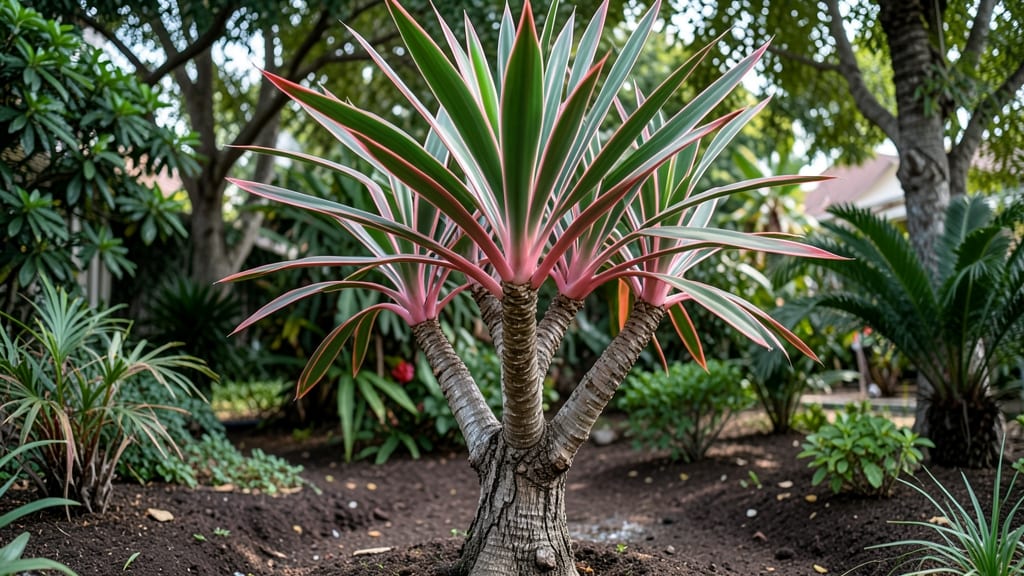
Growing a dragon tree (Dracaena draco) means adding a striking, low-maintenance plant that thrives on neglect and looks like something out of a fantasy novel. 🌿 Its thick, twisted trunk and glossy leaves make it a standout in any space, whether indoors or out in warmer climates.
The best part? It handles drought like a pro, so you won’t need to babysit it.
This plant loves bright, indirect light but can tolerate lower light conditions—just expect slower growth. Well-draining soil is key, and since it’s drought-resistant, you can water it deeply but infrequently, letting the top inch of soil dry out before the next drink.
The resin it produces (yes, like a mini dragon!) adds to its exotic appeal, though it’s non-toxic and harmless.
With minimal pruning, your dragon tree will grow taller over time, developing that iconic, almost sculptural trunk. It’s perfect for containers, small gardens, or as a dramatic indoor accent. Once established, it’s nearly indestructible, making it ideal for busy gardeners or those new to plant parenting.
Whether you’re drawn to its striking foliage or its resilience, this plant delivers effortless beauty with almost zero fuss. Ready to grow one that feels like it belongs in a courtyard castle? Let’s get started!
📚 In This Guide
- What you need
- Instructions
- Tips and common mistakes
- Wrapping up and next steps
What you need
- ● Dragon Tree Plant: 1 young sapling (3–6 inches tall) or a mature plant (if repotting).
- ● Pro tip: Choose a healthy specimen with vibrant green leaves and no brown edges! 🌱
- ● Well-Draining Soil: 5–10 gallons of cactus/succulent mix (or a blend of 60% potting soil + 40% perlite/pumice).
- ○ Optional: Add a handful of orchid bark for extra aeration.
- ● Pot or Planting Area: For indoor pots: A container with drainage holes, 12–18 inches in diameter (terracotta or ceramic works best).
- ● For outdoor planting: A sunny, sheltered spot with loose, rocky soil (or amend clay soil with grit).
- ● Basic Tools: 1 pair of pruning shears (sterilized with rubbing alcohol).
- ● 1 trowel (for repotting or outdoor planting).
- ● 1 watering can with a narrow spout (or spray bottle for misting).
- ● Slow-release fertilizer (balanced 10-10-10 or succulent-specific).
- ● Peat moss or coconut coir (to improve moisture retention lightly).
- ● Mulch (gravel or small rocks) for outdoor plants to deter weeds and retain heat.
- ● Humidity tray (if keeping indoors in dry climates).
- ● Gloves (to protect hands from sap—though Dragon Trees are non-toxic).
Step-by-Step instructions for growing a thriving dragon tree
Here's how to cultivate this striking plant with confidence—no green thumb required.
🌱 Step 1: Choose the Right Container and Soil Mix
Dragon trees thrive in well-draining soil and containers with drainage holes. I recommend a 6-8 inch pot for each plant—this gives roots room to establish without becoming waterlogged. The soil should be a mix of cactus or succulent mix (60%) and perlite or coarse sand (40%) to prevent compaction. This blend mimics their arid native habitat and keeps moisture levels just right.
Fill the pot about 2/3 full with your mix, then tap it gently on the table to settle the soil. The goal is a loose, airy texture that lets excess water drain quickly. If you're repotting an existing dragon tree, choose a container only 1-2 inches larger in diameter than the current one—these plants prefer being slightly root-bound.
☀️ Step 2: Position for Bright, Indirect Light
Dragon trees love bright, indirect light—think east or west-facing windows where they get morning or afternoon sun. A south-facing window works too, but you'll need to shield the plant from harsh midday rays with a sheer curtain. If your home has low light, a grow light positioned 12-18 inches away for 12-14 hours daily will keep it happy.
Here's the thing—these plants can handle direct sun for short periods, but prolonged exposure causes leaf scorch. You'll notice this as crispy, brown edges on the leaves. If that happens, move the plant back a few feet from the window or reduce direct sunlight exposure. A good rule of thumb: if you can touch the leaves and they feel warm, the light is too intense.
💧 Step 3: Water Sparingly and Only When Needed
Dragon trees are drought-tolerant, so the key is to water deeply but infrequently. Stick your finger 1-2 inches into the soil—if it feels dry, it's time to water. Water thoroughly until it runs out the drainage holes, then empty the saucer to prevent root rot. I water mine about every 2-3 weeks in spring and summer, but cut back to once a month in fall and winter when growth slows.
Overwatering is the #1 killer of dragon trees. You'll know you've overdone it if the leaves turn yellow or feel mushy. If this happens, let the soil dry out completely before watering again. A good trick is to use the "soak and dry" method: water until the soil is saturated, then wait until it's bone dry before watering again. This mimics their natural desert conditions.
🌿 Step 4: Fertilize Lightly During Growing Season
Feed your dragon tree with a balanced, water-soluble fertilizer (like 10-10-10) diluted to half-strength once a month during spring and summer. Skip fertilizing in fall and winter when the plant is dormant. I like to fertilize right after watering so the nutrients have time to soak into the soil before the next watering cycle.
Less is more with these plants—too much fertilizer causes salt buildup in the soil, which can damage roots. You'll notice salt buildup as white crusty deposits on the soil surface. If this happens, flush the soil by watering it thoroughly until water runs out the drainage holes, then let it dry completely. This helps leach out the excess salts and keeps your dragon tree healthy.
✂️ Step 5: Prune and Propagate as Needed
Pruning encourages bushier growth and helps maintain the plant's shape. Use sterilized pruning shears to snip off any leggy stems or yellowing leaves at the base. You can also propagate dragon trees from cuttings—just take a 4-6 inch stem cutting, let it callus over for a day or two, then plant it in fresh soil. Keep the cutting in bright, indirect light and water lightly until it roots, which usually takes 4-6 weeks.
Real talk: dragon trees grow slowly, so don't expect dramatic changes overnight. But with proper care, you'll see new growth within a few months. If your plant starts to outgrow its pot or looks root-bound (roots circling the bottom), it's time to repot into a container that's just 1-2 inches larger in diameter. This keeps the plant happy without shocking it with too much new space.
Tips & tricks for perfect dragon tree care
Here's what nobody tells you about keeping your dragon tree thriving with almost no effort.
Soil Texture Matters: When mixing your cactus or succulent mix with perlite or coarse sand, aim for a texture that resembles damp sand at the beach—not packed clay. The 60/40 ratio is perfect, but if you notice water pooling on top after watering, add a little more perlite. This prevents the dreaded root rot that kills so many dragon trees. I like to test the mix by squeezing a handful—it should crumble easily when dry but still hold its shape when slightly moist.
Light Positioning Hack: For that perfect bright, indirect light in Step 2, try this: place your dragon tree about 3 feet from an east-facing window in summer. This gives it gentle morning sun without the harsh afternoon rays that cause leaf scorch. In winter, you can move it closer to the window since the sun is less intense. If you're using a grow light, position it so the leaves don't touch the bulb—this prevents heat damage while still providing the needed 12-14 hours of light.
Watering Confidence Builder: The "soak and dry" method from Step 3 is your best friend. Here's how to do it right: Water until you see moisture flowing out the drainage holes, then let the soil become completely dry before watering again. To check, stick your finger 2 inches deep—if it feels dry all the way through, it's time. I've found that using a moisture meter (around $10) takes the guesswork out of this completely. These plants are forgiving, but they won't survive constant dampness.
Fertilizer Timing Secret: When you fertilize during spring and summer, think of it like giving your dragon tree a vitamin boost—but only when it's already hydrated. Always fertilize right after watering (as mentioned in Step 4) so the nutrients get absorbed properly. I've ruined a few dragon trees by fertilizing dry soil—it burns the roots. Also, if you notice white crusty deposits on the soil surface after a few months, it's time for a soil flush. This is your plant's way of saying "I've had enough salt!"
Pro Tips for The Dragon Tree
- Here's what nobody tells you about keeping your dragon tree thriving with almost no effort.
- Soil Texture Matters: When mixing your cactus or succulent mix with perlite or coarse sand, aim for a texture that re...
- Light Positioning Hack: For that perfect bright, indirect light in Step 2, try this: place your dragon tree about 3 f...
Frequently asked questions
Got questions about the dragon tree (Dracaena draco)? You’re not alone!
This striking, drought-resistant plant is full of surprises—from its unique trunk to its low-maintenance charm. Below, we tackle the most common queries to help you grow a thriving dragon tree with confidence.
How fast does a dragon tree grow, and how big can it get?
A dragon tree grows slowly—about 6 to 12 inches per year under ideal conditions. In the wild, it can reach 50 feet tall, but as a houseplant, expect it to max out around 10 to 15 feet with proper care. Patience is key! Prune regularly to manage size and encourage bushier growth.
How often should I water my dragon tree, and what happens if I overwater it?
Water your dragon tree only when the top 2–3 inches of soil are completely dry—typically every 2–3 weeks (less in winter). Overwatering is the #1 killer! Signs of too much water: yellow leaves, mushy stems, or root rot. Let it dry out thoroughly between waterings, and ensure the pot has drainage holes to prevent soggy soil.
Does a dragon tree need direct sunlight, or can it thrive in low light?
Dragon trees are versatile light-lovers! They tolerate bright, indirect light (like near a window) but can also survive in low-light conditions (e.g., offices or bathrooms). Avoid harsh direct sun, which can scorch leaves. If growth slows, rotate the pot occasionally to ensure even exposure.
Why are the tips of my dragon tree’s leaves turning brown?
Brown leaf tips are usually a sign of low humidity or fluoride buildup from tap water. Try these fixes:
- Mist leaves occasionally or place a humidifier nearby.
- Use filtered or rainwater to avoid mineral buildup.
- Trim dead tips with clean scissors to encourage new growth.
Can I grow a dragon tree outdoors in cold climates, or is it strictly an indoor plant?
Dragon trees are tropical plants and thrive outdoors only in USDA Zones 10–12 (year-round) or as container plants moved indoors when temps drop below 40°F (4°C). If you’re in a colder zone, grow it as a houseplant near a sunny window or in a greenhouse.
Pro Tip:
Need a quick health check? Inspect the leaves! Healthy dragon trees have deep green, waxy leaves. Yellowing? Too much water. Drooping? Needs hydration. Reduce stress by keeping it in a stable environment—these plants hate drafts and temperature swings.
Wrapping up and next steps
The Dragon Tree isn’t just a stunning, drought-resistant plant—it’s a symbol of resilience and low-maintenance beauty. With the right soil, sunlight, and occasional pruning, you’ll enjoy its striking foliage for years with minimal effort.
Whether you’re a seasoned gardener or a beginner, this hardy plant proves that great things come with little care!
Ready to bring this architectural marvel into your space? Start by choosing your spot (indoors or outdoors) and grab your Dragon Tree cutting or seedling today. Check out our full care tips to get growing!