
Pruning
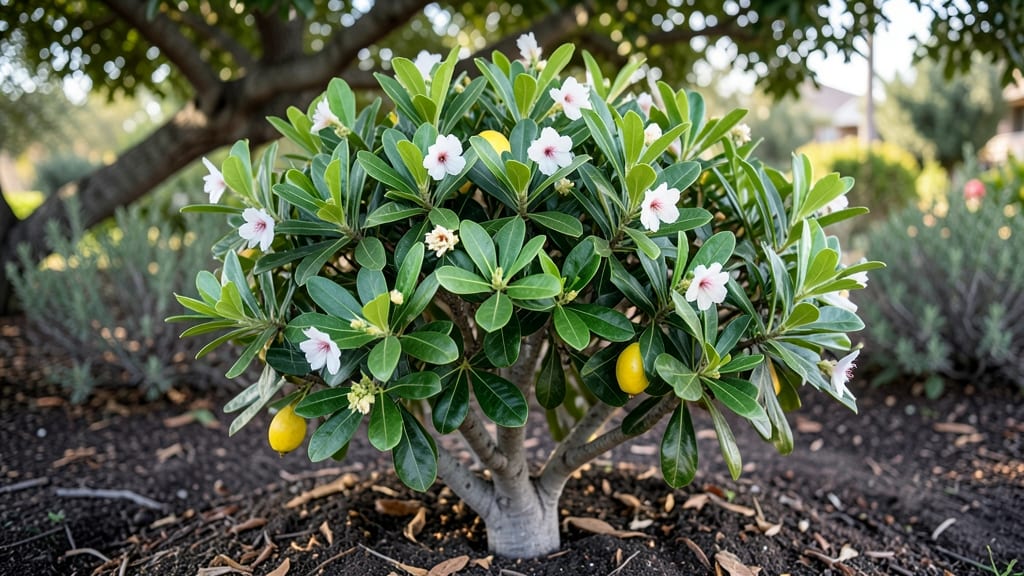
Cold-hardy pineapple guava trees thrive in Ozark gardens with the right care—and pruning makes all the difference. 🌱 I’ve watched mine survive winters that would kill tropical plants, thanks to a few key tricks I’ll share.
The secret isn’t just cutting back; it’s timing, technique, and understanding how these trees bounce back.
These trees love full sun but tolerate partial shade, making them versatile for Ozark yards. They prefer well-draining soil—sandy loam works best—but adapt to clay if amended with compost.
Water deeply once established, but avoid soggy roots. The real magic happens in late winter when you prune to shape the tree and encourage new growth.
With proper care, you’ll see glossy leaves and fragrant white flowers by spring, followed by sweet, pineapple-scented fruit. The trees reward patience with minimal fuss—just watch for pests like scale and keep an eye on winter dieback. A well-pruned pineapple guava becomes the showstopper of any Ozark landscape.
Whether you’re starting from a cutting or nurturing a mature tree, these steps keep them healthy year-round. Let’s get your pineapple guava thriving through Ozark winters and summers alike.
📚 In This Guide
- What you need
- Instructions
- Tips and common mistakes
- Wrapping up and next steps
What you need
- ● Pineapple guava tree: A healthy, cold-hardy sapling (check local nurseries for Acca sellowiana varieties).
- ● Well-draining soil: Mix 1 part native soil with 1 part compost and 1 part perlite or sand (for Ozark clay-heavy soils).
- ● Pruning tools: Bypass pruners (for small branches, sharp and sterilized)
- ● Loppers (for thicker branches, 4–6 inch cutting capacity)
- ● Hand saw (for large limbs, curved blade for clean cuts)
- ● Gloves: Heavy-duty gardening gloves (nitrile-coated to protect from thorns and sap).
- ● Mulch: 2–3 inches of organic mulch (pine bark or wood chips) to retain moisture and regulate temperature.
- ● Watering can or hose: With a gentle spray nozzle for post-pruning hydration.
- ● Fertilizer: Balanced 10-10-10 or citrus-specific fertilizer (apply 2–3 times per year in spring/summer).
- ● Tree wrap: For young trees to protect from Ozark winter sunscald.
- ● Disinfectant: 70% isopropyl alcohol or bleach solution (1:9 ratio) to sterilize tools between cuts.
- ● Staking system: If planting in windy areas, use 3 stakes and soft tree ties.
- ● Pest control: Neem oil or insecticidal soap (for aphids or scale, common in pineapple guava trees).
Step-by-Step guide for pineapple guava tree care in Ozark gardens
Cold-hardy pruning keeps your pineapple guava thriving year-round.
🌿 Step 1: Plant in the Right Spot for Ozark Conditions
Pineapple guava loves full sun—at least 6 hours daily—so pick a sheltered location where it gets morning warmth and afternoon shade if summers run hot. The Ozarks' clay-heavy soil drains poorly, so amend with 2-3 inches of compost before planting to loosen the ground. Dig a hole twice as wide as the root ball but only as deep.
I always plant in early spring when soil temperatures hit 60°F—this gives roots time to establish before summer heat. Water deeply right after planting to settle the soil around roots, then let the top 2 inches dry out before watering again. The first few weeks are critical; too much moisture causes root rot in heavy clay.
☀️ Step 2: Master Cold-Hardy Pruning for Ozark Winters
Prune twice yearly: once in late winter (before buds swell) and again in early summer after fruiting. In Ozark winters, hard pruning is key—cut back one-third of the oldest wood each year to encourage new growth. Use sterilized pruners and make cuts just above a leaf node at a 45-degree angle to prevent water pooling.
Here's the thing—pineapple guava is surprisingly cold-tolerant, but young trees need winter protection. Wrap the trunk with burlap if temperatures dip below 15°F, and mulch with 3-4 inches of wood chips to insulate roots. I've seen these trees bounce back from 10°F with proper care—just don't let the ground freeze solid.
💧 Step 3: Water and Feed for Ozark Soil Challenges
Water deeply once weekly during dry spells, aiming for 1-2 gallons per tree—they're drought-tolerant once established, but young trees need consistent moisture. The Ozarks' clay holds water like a sponge, so let the soil dry 3-4 inches down before watering again. Overwatering leads to root rot, and these trees hate soggy feet.
Feed in early spring with a balanced 10-10-10 fertilizer—just ½ cup per year for mature trees. Too much nitrogen makes leaves grow fast but weak. I also sprinkle 1 cup of bone meal around the base in spring to boost phosphorus for fruit production. Watch for yellowing leaves; that's your sign to cut back on fertilizer.
✂️ Step 4: Harvest and Maintain for Long-Term Health
Fruit ripens in late summer to fall, turning from green to yellow with a sweet, pineapple-like scent. Pick when fully ripe—unripe fruit won't ripen off the tree. Harvest by twisting gently; don't cut stems. I've found that one mature tree yields 20-30 pounds of fruit annually in Ozark conditions.
After harvest, prune again to remove dead wood and shape the tree. Thin out crossing branches to improve airflow—this prevents fungal diseases common in Ozark humidity. If you notice white powdery spots on leaves, spray with neem oil and improve airflow by pruning inner branches. A well-maintained pineapple guava lives 30+ years in Ozark gardens.
Tips & tricks for perfect pineapple guava tree care
These simple strategies will help you keep your pineapple guava thriving in Ozark's challenging climate.
Soil Prep Secret: When amending with 2-3 inches of compost in Step 1, mix it thoroughly with the native clay soil. I like to add a handful of perlite to improve drainage—this helps prevent the soggy roots that love to rot in our heavy clay. The goal is to create a sponge-like texture that holds moisture without suffocating roots.
Pruning Precision: In Step 2, when you're cutting back one-third of the oldest wood, focus on removing branches that grow inward or cross each other. These are the ones that create weak spots where diseases can take hold. I use a small paint marker to tag branches I plan to remove during the late winter pruning—this helps me visualize the final shape before making cuts.
Winter Protection Hack: For those 10-15°F nights in Ozark winters, I've found that wrapping the trunk with burlap works best when combined with a thick layer of straw around the base. The straw adds an extra 1-2 inches of insulation that helps protect roots from freezing. Just remember to remove the straw in early spring before new growth begins.
Fertilizer Timing: That ½ cup of 10-10-10 fertilizer in early spring should be applied right after your first pruning session. I like to mix it with the bone meal and spread it in a ring about 12 inches from the trunk—this prevents direct contact that can burn roots. Water thoroughly after applying to help distribute the nutrients into the soil.
Pro Tips for Pineapple Guava Tree Care
- These simple strategies will help you keep your pineapple guava thriving in Ozark's challenging climate.
- Soil Prep Secret: When amending with 2-3 inches of compost in Step 1, mix it thoroughly with the native clay soil. I ...
- Pruning Precision: In Step 2, when you're cutting back one-third of the oldest wood, focus on removing branches that ...
Frequently asked questions
How cold-hardy is the pineapple guava tree, and can it survive Ozark winters?
The pineapple guava (Acca sellowiana) is surprisingly tough! It tolerates temperatures down to 10–15°F (-12 to -9°C), making it ideal for the Ozarks. Just protect young trees with mulch or frost cloth until established.
When is the best time to prune pineapple guava trees for fruit production?
Prune late winter or early spring (before buds swell) to shape the tree and encourage fruit. Avoid heavy pruning in fall—it can stimulate late growth vulnerable to frost. Light trimming after fruiting (summer) keeps the tree tidy.
Why aren’t my pineapple guava fruits ripening, even though the tree has flowers?
Fruit may fail to ripen due to poor pollination, temperature stress, or over-pruning. Hand-pollinate with a brush if bees are scarce. Ensure the tree gets full sun (6+ hours/day) and avoid heavy pruning that removes flowering wood.
Can I grow pineapple guava in containers, or does it need to be planted in the ground?
Yes! Pineapple guava thrives in large containers (15+ gallons) with well-draining soil. Use a mix of potting soil and perlite, and move pots indoors if temps drop below 20°F (-7°C). Just know: container-grown trees may produce smaller fruit than in-ground plants.
What should I do if my pineapple guava leaves turn yellow or drop?
Yellow leaves often signal overwatering, nutrient deficiency, or root stress. Check soil moisture—it should dry slightly between waterings. Amend soil with compost or use a balanced fertilizer (10-10-10) in spring. If roots are exposed, mulch heavily to protect them.
Wrapping up and next steps
Caring for your pineapple guava tree is all about patience, precision, and a little love—especially when it comes to pruning to boost cold hardiness! 🌱 With the right tools, timing, and techniques, you’ll enjoy a thriving, fruit-bearing tree that stands up to Ozark winters.
Remember, regular pruning, proper spacing, and seasonal checks are your best friends for long-term success.
Ready to take the next step? Grab your pruners, mark your calendar for late winter, and give your pineapple guava the attention it deserves. Watch it grow—and reward you with delicious fruit! 🍈✨