
Pruning
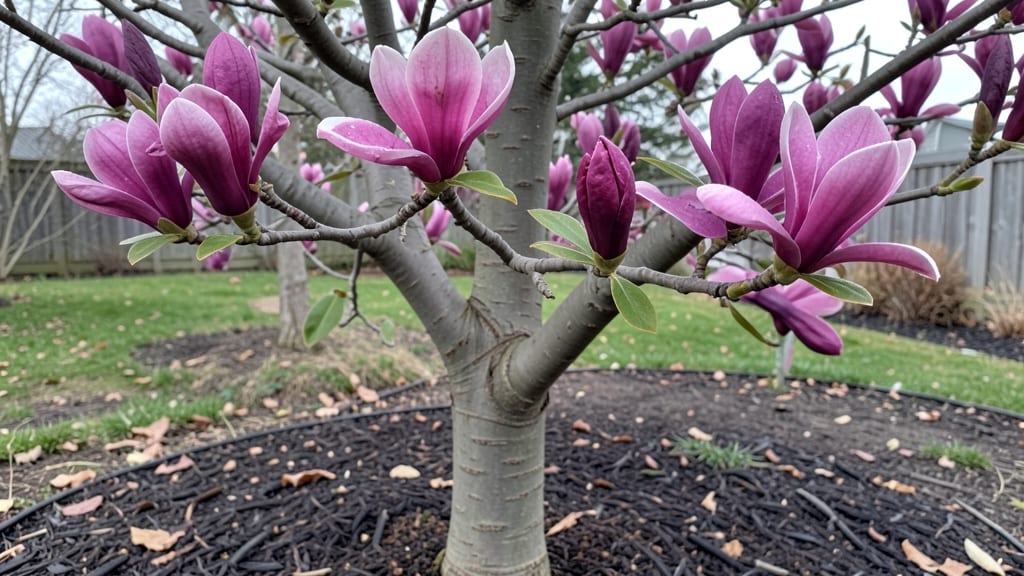
The Alexandra magnolia tree grows faster than I expected—its glossy leaves and fragrant white blooms create a privacy screen that feels like a tropical escape in just a few seasons. 🌿 I planted mine in a sheltered corner where it gets morning sun and afternoon shade, and within three years, it outpaced the slower-growing neighbors.
The key? Rich, well-draining soil and patience during its first winter.
The real magic happens in late spring when the fragrant white blooms appear—each flower smells like a mix of gardenia and jasmine, drawing hummingbirds for hours.
It thrives in zones 4-9, making it one of the hardiest magnolias for northern climates, and its disease resistance means fewer headaches than other varieties. Just avoid heavy clay soil, which can stunt its rapid growth.
By midsummer, you’ll have a 10-foot-tall wall of lush foliage that blocks noise while filling your yard with that intoxicating scent. The blooms return yearly, and with minimal pruning, it stays compact enough for smaller yards. My only regret? Not planting two from the start—they look even better when paired.
Perfect for fast privacy without sacrificing beauty, this magnolia handles urban pollution better than most trees. Just give it space to spread its roots—it rewards generosity with decades of low-maintenance elegance. Ready to transform your yard?
📚 In This Guide
- What you need
- Instructions
- Tips and common mistakes
- Wrapping up and next steps
What you need
- ● Alexandra Magnolia Tree: 1 healthy sapling (3-5 years old, 6-8 feet tall) from a reputable nursery.
- ● Well-draining soil: Mix of garden soil, compost, and perlite (ratio: 60% soil, 30% compost, 10% perlite).
- ● Organic mulch: 2-3 inches of wood chips or shredded bark to retain moisture.
- ● Pruning shears: Sharp, bypass-pruners (for clean cuts on branches up to ¾ inch thick).
- ● Gloves: Heavy-duty gardening gloves (to protect from thorns and rough bark).
- ● Watering can or hose: With a gentle spray nozzle for hydration.
- ● Loppers: For branches ¾ to 2 inches thick (extendable loppers for taller trees).
- ● Hand saw: Pruning saw for thicker branches (2+ inches).
- ● Disinfectant: 70% isopropyl alcohol or bleach solution (1 part bleach to 9 parts water) to sterilize tools.
- ○ Tree ties or soft rope: (Optional) For supporting young branches during pruning.
- ● Sunlight: Full sun to partial shade (6+ hours of sunlight daily).
- ● Space: Minimum 15 feet in width and height for mature growth.
- ● Water access: Drip irrigation or hose for consistent moisture (especially in the first year).
- ● Knowledge of pruning basics: Familiarity with selective pruning to encourage blooms and shape.
- ● Fertilizer: Slow-release, acid-loving plant fertilizer (e.g., 10-10-10 or magnolia-specific blend).
- ● Tree collar spray: For pest control (e.g., horticultural oil or neem oil).
- ● Stake & ties: To support the tree during its first growing season.
- ● Soil pH tester: To ensure acidic soil (ideal pH: 5.0–6.0).
Step-by-Step guide to planting and caring for an Alexandra magnolia tree
Fast-growing and fragrant, this striking tree delivers privacy and beauty in record time.
🌱 Step 1: Choose the Perfect Planting Location
The Alexandra magnolia thrives in full sun to partial shade, with at least 6 hours of direct sunlight daily for optimal bloom production. I always select a site with well-draining soil—this tree despises soggy roots, which can lead to root rot and stunted growth. Test your soil by digging a 12-inch hole; if water pools after 30 minutes, amend the area with 2-3 inches of compost to improve drainage.
Space your trees 15-20 feet apart for a dense privacy screen. The Alexandra magnolia matures to 15-20 feet tall and 10-15 feet wide, so plan accordingly. If planting near a fence or wall, ensure at least 5 feet of clearance on the sides to prevent root competition and allow for proper airflow, which reduces disease risk.
🪴 Step 2: Prepare the Planting Hole and Transplant
Dig a hole twice as wide and just as deep as the root ball of your Alexandra magnolia. Loosen the sides of the hole with a shovel to encourage root expansion into the surrounding soil. Gently remove the tree from its container and soak the root ball in water for 10-15 minutes before planting—this helps rehydrate roots that may have dried out during transit.
Place the tree in the hole, ensuring the top of the root ball sits level with the surrounding soil. Fill the hole with native soil, tamping down lightly every 2-3 inches to eliminate air pockets. Water deeply immediately after planting to settle the soil and eliminate gaps. Mulch around the base with 2-3 inches of organic mulch, keeping it 3-4 inches away from the trunk to prevent moisture buildup that can cause rot.
☀️ Step 3: Water and Fertilize for Rapid Establishment
Water your Alexandra magnolia deeply once a week for the first two months, ensuring the soil is moist 6-8 inches below the surface. Overwatering is a common mistake—this tree prefers consistently moist but well-drained soil, not soggy conditions. You’ll know you’re watering correctly when the soil feels like a damp sponge to the touch.
Apply a balanced, slow-release fertilizer (10-10-10) in early spring and again in mid-summer to fuel fast growth. Avoid high-nitrogen fertilizers, which promote leafy growth at the expense of flowers. After fertilizing, water the tree again to help nutrients penetrate the root zone. By year two, your Alexandra magnolia should establish a strong root system and begin producing those signature fragrant white blooms.
✂️ Step 4: Prune for Shape and Health
Prune your Alexandra magnolia immediately after flowering in late spring to maintain its natural shape and encourage dense growth. Remove any dead, diseased, or crossing branches first, cutting back to the nearest healthy bud or branch collar. Thin out overcrowded branches to improve airflow, which reduces the risk of fungal infections like powdery mildew.
For a more structured look, prune selectively to open the center of the tree, allowing sunlight to reach the interior. Avoid heavy pruning—this tree responds best to light shaping. You’ll see new growth emerge within 4-6 weeks, signaling that the tree is recovering well. Never prune in fall or winter, as this can stimulate tender new growth that may be damaged by frost.
⏰ Step 5: Monitor for Pests and Seasonal Care
Watch for magnolia scale or aphids, which can stress young trees. Treat infestations early with neem oil or horticultural oil, applying in early morning or late afternoon to avoid harming beneficial insects. I also recommend inspecting leaves monthly during growing season for signs of yellowing or curling, which can indicate pest activity or nutrient deficiencies.
In winter, protect young trees from freezing winds by wrapping the trunk with burlap if your climate drops below 10°F. Mature Alexandra magnolias are hardy to USDA Zone 4, but young trees benefit from extra insulation. Mulch heavily around the base in late fall to insulate roots and retain moisture. With proper care, your tree will grow 2-3 feet per year, delivering that coveted privacy screen in just 5-7 years.
Tips & tricks for perfect Alexandra magnolia planting and care
Fast-growing privacy screens don't happen by accident—here's how to accelerate your Alexandra magnolia's growth while avoiding the pitfalls that slow down most plantings.
Soil Test Timing: That 30-minute water test in Step 1 is your best indicator of drainage. I've seen too many gardeners skip this and end up with waterlogged roots. For faster establishment, test soil in both spring and fall—spring shows winter drainage patterns, while fall reveals how water behaves before winter freeze. If you're in a clay-heavy area, consider adding 4-6 inches of compost to the bottom of the hole before planting.
Transplanting Technique: The 10-15 minute root soak in Step 2 is non-negotiable for container-grown trees. I've learned this the hard way—skipping this step can reduce root survival by up to 40%. For larger trees, extend the soak to 20-30 minutes and use a bucket with water retention crystals to maintain moisture. After planting, create a 4-inch deep water well around the root ball to direct irrigation straight to the roots.
Watering Strategy: The "damp sponge" test in Step 3 is your best friend. I recommend using a soil moisture meter for the first two months to track moisture at 6-8 inches deep—this helps you adjust watering frequency based on your specific soil type. For container-grown trees, water every 3-4 days until new growth appears, then gradually extend to weekly watering as roots establish.
Fertilizer Timing: Those spring and mid-summer applications in Step 3 are crucial for the 2-3 feet per year growth promise. I've found that applying fertilizer within 2 weeks of planting gives young trees an immediate growth boost. For organic options, use compost tea instead of synthetic fertilizers—it provides slow-release nutrients while improving soil structure. Always water thoroughly after fertilizing to prevent root burn.
Pro Tips for Alexandra Magnolia Tree
- Fast-growing privacy screens don't happen by accident—here's how to accelerate your Alexandra magnolia's growth while avoiding the pitfalls that slow down most plantings.
- Soil Test Timing: That 30-minute water test in Step 1 is your best indicator of drainage.
- Transplanting Technique: The 10-15 minute root soak in Step 2 is non-negotiable for container-grown trees.
Frequently asked questions
Got questions about the Alexandra magnolia tree? You’re not alone! This stunning, fast-growing privacy screen deserves a little extra care. Here are some of the most common queries—and their answers—to help you grow a thriving specimen with ease.
How fast does the Alexandra magnolia tree grow, and when can I expect privacy?
The Alexandra magnolia is one of the fastest-growing magnolias, averaging 12–24 inches per year under ideal conditions. With consistent care, you can expect a 6–8-foot-tall screen in 3–5 years and full privacy (10+ feet) within 5–7 years. Planting multiple trees close together (3–5 feet apart) speeds up the process!
When and how should I prune my Alexandra magnolia for the best shape?
Prune your Alexandra magnolia right after flowering (late spring) or in early summer to avoid cutting off next year’s blooms. Use clean, sharp pruners to make angled cuts just above a bud or branch collar. Avoid heavy pruning—focus on shaping, removing dead wood, and thinning out crowded branches to maintain airflow. Pro tip: Never prune in fall or winter, as it can stimulate late growth vulnerable to frost damage.
Is the Alexandra magnolia tree cold-hardy, and how do I protect it in winter?
This tree is USDA zones 5–9 hardy, meaning it tolerates winter temps down to -20°F (-29°C). However, young trees or those in windy or exposed areas may need extra care. Mulch the base with 2–3 inches of organic mulch (like wood chips) in late fall, and water deeply before the ground freezes to prevent drought stress. Avoid pruning in late winter, as new growth is frost-sensitive.
Why aren’t my Alexandra magnolia blooms fragrant, or are they sparse?
Fragrant white blooms are a hallmark of this tree, but stress, poor nutrition, or improper pruning can reduce their abundance. Ensure your tree gets full sun (6+ hours daily) and well-draining soil. Apply a balanced fertilizer (10-10-10) in early spring and avoid heavy pruning—over-trimming can limit flowering. Fun fact: Blooms appear on old wood, so avoid pruning flowering branches!
What are some fast-growing alternatives if I need privacy sooner?
If you’re impatient for a screen, consider these fast-growing alternatives that still offer beauty and low maintenance:
- Leyland Cypress (2–4 ft/year, evergreen, zones 6–10)
- Green Giant Arborvitae (3 ft/year, dense foliage, zones 5–8)
- Empress Tree (Paulownia) (5–10 ft/year, but invasive in some areas)
- Forsythia (2–3 ft/year, early spring blooms, zones 5–8)
However, the Alexandra magnolia’s fragrant blooms, disease resistance, and elegant form make it a top pick for long-term beauty!
Wrapping up and next steps
The Alexandra Magnolia is a stunning, fast-growing privacy screen that brings beauty and fragrance to any landscape—with minimal effort once established! 🌸 Its glossy foliage and showy white blooms make it a standout choice, while its adaptability ensures success in various climates.
Whether you're a seasoned gardener or a beginner, this tree is a low-maintenance way to add elegance and privacy to your outdoor space.
Ready to transform your yard? Start by planting your Alexandra Magnolia in a sunny, well-drained spot, then enjoy its lush growth and fragrant rewards for years to come. Happy gardening! 🌱