
Trees
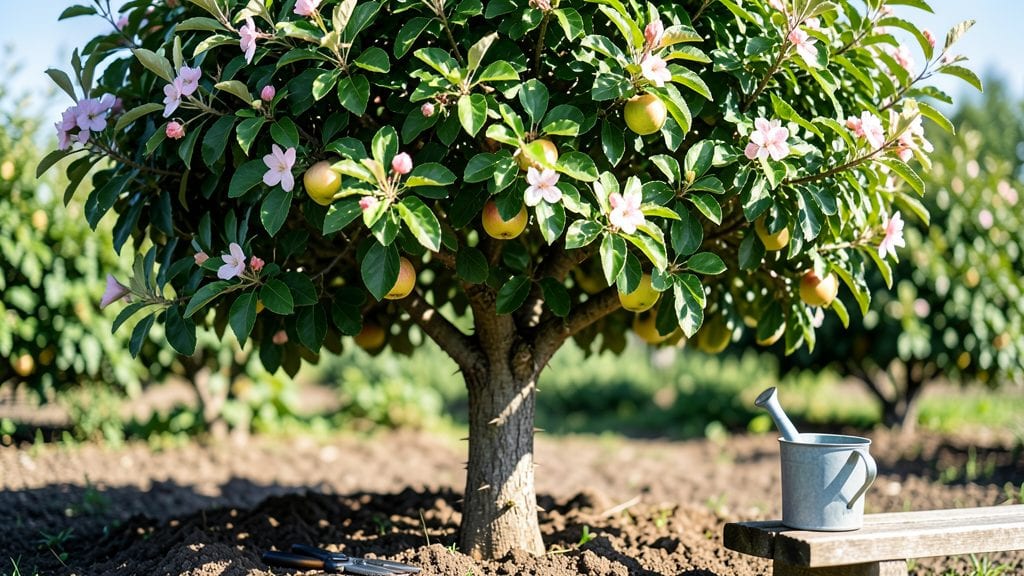
Growing Ambrosia apple trees means harvesting crisp, honey-sweet fruit that resists common diseases like few others can. 🌟 I planted mine last spring after struggling with blight in my orchard, and the difference in yield—and peace of mind—has been shocking.
These trees thrive where others fail, producing apples with a floral aroma that lingers in the air long after picking.
The secret starts with the right conditions: full sun, well-draining soil with a pH of 6.0-7.0, and a location sheltered from strong winds. Ambrosias need space (15-20 feet apart) but reward patience with minimal pruning needs—just remove dead wood and shape for airflow.
Most gardeners overlook soil prep, but amending with compost at planting time cuts down on future fertilizer headaches.
By year three, you’ll enjoy a harvest of 50-100 pounds per tree, depending on care. The fruit stores well for months, and the trees handle heat better than many varieties.
Even my neighbor’s neglected Ambrosia still produced fruit after skipping pruning for two years—proof these trees are forgiving when you get the basics right.
From late winter pruning to summer pest checks, Ambrosias demand less fuss than most apples but deliver more flavor. Here’s how to keep them thriving—and troubleshooting when things go sideways.
📚 In This Guide
- What you need
- Instructions
- Tips and common mistakes
- Wrapping up and next steps
What you need
- ● Ambrosia apple tree: 1-2 dwarf rootstock saplings (6–12 inches tall, disease-resistant, e.g., M.9 or B.9 rootstock) OR
- ● 1–3 grafted Ambrosia apple scions (if propagating from cuttings)
- ● Planting site: Full-sun location (6+ hours of sunlight daily)
- ● Well-draining soil (pH 6.0–7.0; amend with compost if needed)
- ● Space: 12–15 feet between trees (or 8–10 feet for dwarf varieties)
- ● Soil prep: 5–10 lbs organic compost or aged manure per planting hole
- ● 1 cup bone meal (for phosphorus, aids root growth)
- ○ Optional: Mycorrhizal fungi (boosts root health)
- ● Shovel or trowel (for digging)
- ● Garden fork (to loosen soil)
- ● Pruning shears (sterilized, for shaping)
- ● Watering can or hose (with gentle spray nozzle)
- ● Mulch (2–3 inches of wood chips or straw)
- ○ Optional but helpful: Tree stake + soft tie (for young saplings)
- ● Drip irrigation system (for consistent moisture)
- ● Fruit tree spray (organic copper or neem oil, for pest prevention)
- ● Climate: Hardy to USDA Zones 4–8 (check frost dates in your area!)
- ● Pollination: Plant 2+ Ambrosia trees (or a compatible pollinator like ‘Honeycrisp’) for fruit set.
- ● Patience: Dwarf trees bear fruit in 3–5 years; standard trees take 5–7 years.
- ● Legal note: Verify local regulations if planting near property lines.
Step-by-step guide to planting and caring for Ambrosia apple trees
These fragrant, disease-resistant trees bring both beauty and bounty to your yard.
🪴 Step 1: Choose the Right Location and Prepare the Soil
Ambrosia apple trees thrive in full sun—select a spot that gets at least 6-8 hours of direct sunlight daily. I always pick a location with good air circulation to prevent fungal issues, even though these trees are resistant. Avoid low-lying areas where cold air settles, as young trees are sensitive to frost pockets.
Test your soil’s pH—Ambrosia apples prefer slightly acidic to neutral soil (6.0-7.0). If your soil is heavy clay or sandy, amend it with 3-4 inches of compost mixed into the top 12 inches of soil. Work the compost in gently to avoid compacting the roots. The goal is loose, well-draining soil that lets roots spread easily.
🌱 Step 2: Plant Your Tree at the Right Time and Depth
Plant your Ambrosia apple tree in early spring, just as new growth begins, or in fall, about 6 weeks before the first frost. Dig a hole twice as wide as the root ball but only as deep—planting too deep suffocates the roots. Place the tree in the hole so the graft union (the bump where the scion meets the rootstock) sits 2-3 inches above ground level—this prevents rot.
Backfill the hole with native soil, tamping it down lightly to remove air pockets. Water deeply to settle the soil around the roots, then create a 2-3 inch deep watering basin around the base. Mulch with 2-3 inches of organic mulch (like wood chips) to retain moisture and regulate soil temperature. Keep mulch 6 inches away from the trunk to prevent rot.
☀️ Step 3: Water and Fertilize for Strong Early Growth
Water your Ambrosia apple tree deeply once a week during the first growing season, providing 10-15 gallons total. You’ll know it’s enough when water drains 6-8 inches deep into the soil. Overwatering is a common mistake—yellowing leaves usually mean the roots are drowning. Let the top 2 inches of soil dry out between waterings once established.
Fertilize in early spring with a balanced, slow-release fertilizer (10-10-10). Use ½ cup per tree for the first year, then increase to 1 cup annually as the tree matures. Avoid high-nitrogen fertilizers—they promote leafy growth at the expense of fruit. Instead, focus on potassium and phosphorus to encourage strong root development and flowering.
✂️ Step 4: Prune for Shape and Airflow
Prune your Ambrosia apple tree in late winter or early spring, before buds swell. Remove dead, diseased, or crossing branches first—these compete for energy and invite pests. Then, thin out 10-20% of the canopy to improve airflow, which reduces disease risk. Cut back to an outward-facing bud to encourage healthy growth.
Shape the tree into an open-center form (like a vase) to maximize sunlight penetration. Avoid heavy pruning in the first year—just remove any suckers (shoots growing from the base) and water sprouts (vertical shoots). You’ll see stronger branches and better fruit set within a season if you keep the tree open and airy.
🍎 Step 5: Monitor for Pests and Harvest at Peak Ripeness
Ambrosia apples are disease-resistant, but watch for apple maggots or aphids—spray with neem oil if you spot clusters of insects. Shake the tree gently over a drop cloth to dislodge pests before they multiply. The tree’s fragrance usually deters most pests, but early intervention prevents infestations.
Harvest when the fruit is fully colored and slightly soft to touch—usually late summer to early fall, depending on your climate. Twist gently to detach the apple; if it resists, it’s not ready. Store in a cool, dark place for up to 2 months, or enjoy fresh for their sweet, aromatic flavor. You’ll know they’re perfect when the scent fills the air as you pick them!
Tips & tricks for perfect Ambrosia apple trees
Here's what nobody tells you about growing these fragrant beauties that'll make all the difference.
Sunlight Secret: That 6-8 hours of sunlight is non-negotiable, but I've learned the hard way—morning sun is more important than afternoon. Position your tree to catch those first rays, which help dry dew quickly and prevent fungal issues. If your yard has afternoon shade, choose a spot where it gets the majority of sunlight during the day.
Soil Prep Strategy: When amending with 3-4 inches of compost, don't just dump it in! Mix it thoroughly into the top 12 inches of soil to create a loose, crumbly texture. I use a garden fork to gently loosen compacted soil first—this prevents creating a hardpan that roots can't penetrate. Think of it like fluffing a pillow for your tree's roots.
Planting Depth Tip: That 2-3 inch graft union above ground level is critical—it's where the tree's identity lives! If you bury it too deep, the tree may produce weak growth or even die. After planting, check again once the soil settles from watering. A simple visual check with your finger can save you from costly mistakes.
Watering Wisdom: Those 10-15 gallons weekly might seem like a lot, but here's the thing: Ambrosia trees hate soggy roots. Use a moisture meter to check that water drains 6-8 inches deep—if it's still wet at that depth, wait another day. I've seen many gardeners overwater and end up with yellowing leaves from root suffocation.
Pro Tips for Ambrosia Apple Trees
- Here's what nobody tells you about growing these fragrant beauties that'll make all the difference.
- Sunlight Secret: That 6-8 hours of sunlight is non-negotiable, but I've learned the hard way—morning sun is more important than afternoon.
- Soil Prep Strategy: When amending with 3-4 inches of compost, don't just dump it in!
Frequently asked questions
1. How fast do Ambrosia apple trees grow, and when can I expect fruit?
Ambrosia apple trees are moderate growers, typically adding 12–24 inches per year in ideal conditions. With proper care, they may start producing fruit in 3–5 years, though full harvest potential takes 5–7 years. Patience pays off—these trees reward you with fragrant, disease-resistant apples!
2. Do Ambrosia apples need cross-pollination, or will one tree produce fruit?
Yes! Ambrosia apple trees are self-unfruitful, meaning you’ll need at least two compatible varieties (like Ambrosia and Enterprise) planted nearby for pollination. Bees do the heavy lifting—just ensure trees are within 50 feet of each other for best results.
3. Are Ambrosia apples truly disease-resistant? What pests should I still watch for?
Ambrosia apples are bred for fire blight and scab resistance, but they’re not invincible. Keep an eye out for apple maggots, codling moths, and aphids. Use neem oil or insecticidal soap early if pests appear—prevention is key!
4. How do I know when Ambrosia apples are ripe for picking?
Ripeness depends on color, texture, and fragrance:
Harvest in late September to October for peak flavor. Yes! Ambrosia trees thrive in containers with dwarfing rootstock. Choose a pot at least 24–36 inches wide and deep, with drainage holes. Use well-draining soil and repot every 2–3 years to accommodate growth. Just remember: container-grown trees may produce smaller yields than in-ground varieties. Prune Ambrosia trees in late winter (before buds swell) to remove dead wood and open the canopy for airflow. Thin fruit clusters in spring to 6–8 inches apart—this boosts size and sweetness!
5. Can I grow Ambrosia apple trees in containers? What’s the best pot size?
Bonus Tip: Pruning for Sweet Success!
Wrapping up and next steps
Growing Ambrosia apple trees is a rewarding journey—combining their heavenly fragrance with practical disease resistance makes them a standout choice for orchards and home gardens. Whether you’re drawn to their sweet scent, hardy nature, or delicious fruit, these trees offer beauty and bounty with minimal fuss.
Now that you’re equipped with planting tips and answers to common questions, why not take the next step? Visit your local nursery, grab a sapling, and let your own Ambrosia orchard bloom! 🌳✨