
Pruning
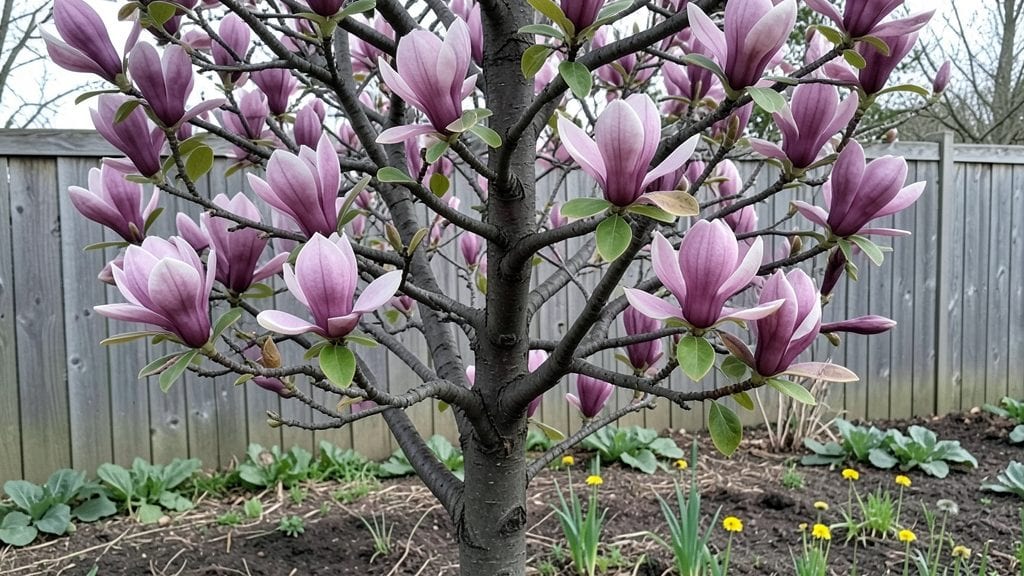
The Anna Magnolia tree's velvety pink blooms arrive earlier than most, turning your spring into a showstopper. 🌸 I’ve pruned mine for five years now, and the secret isn’t just cutting—it’s knowing when and how to shape it for that year-round lushness you see in photos.
The first year I pruned too late, and my tree lost its natural shape, but now it’s the star of my front yard.
This tree thrives in partial shade to full sun, with well-draining soil that’s slightly acidic. Plant it in fall or early spring when roots can establish before summer heat hits. Water deeply once a week after planting, then taper off as it matures—overwatering is the #1 killer of magnolias.
A light layer of mulch keeps roots cool and retains moisture, but keep it 3 inches away from the trunk to avoid rot.
Pruning in late winter or early spring (before buds swell) is key—this is when you shape the canopy for dense growth. Focus on removing dead, crossing, or weak branches first, then thin out the center to let light reach all foliage.
With the right cuts, you’ll see new growth within 4-6 weeks, and those iconic blooms return bigger and bolder every year. The foliage stays glossy green even in winter, making it a standout even when not in bloom.
If your Anna Magnolia struggles with leaf spot or slow growth, check for fungal issues (prune infected leaves immediately) and adjust fertilizer to a balanced 10-10-10 in early spring. These trees are tough once established—just avoid heavy pruning after midsummer, or you’ll risk losing next year’s flowers.
With the right care, your magnolia will outshine every neighbor’s yard for decades.
📚 In This Guide
- What you need
- Instructions
- Tips and common mistakes
- Wrapping up and next steps
What you need
- ● Pruning shears: Bypass pruners (sharp, clean, and with a 6-8" blade for precision cuts).
- ● Loppers: Long-handled (24-36") for thicker branches (1-2" diameter).
- ● Pruning saw: Bow saw or pruning saw for branches over 2" in diameter.
- ● Disinfectant: 70% isopropyl alcohol or bleach solution (1 part bleach to 9 parts water) to sterilize tools.
- ● Rubbing alcohol or hand sanitizer: For cleaning hands before and after pruning.
- ○ Pruning sealant: Optional but helpful for large cuts (e.g., Tanglefoot Tree Wound Pruning Seal).
- ● Gloves: Heavy-duty gardening gloves (protect against thorns and sap).
- ● Ladder or step stool: Sturdy and tall enough to reach higher branches safely.
- ● Trash bags or bucket: For collecting pruned branches and debris.
- ● Sharpie or marker: To label pruning cuts if needed for tracking.
- ● Knowledge of magnolia pruning: Familiarize yourself with Anna Magnolia’s growth habits—it blooms on old wood, so avoid heavy pruning in late winter or early spring.
- ● Weather check: Prune on a dry, overcast day to reduce stress on the tree.
- ○ Optional: Pruning guide or diagram of your tree’s structure for reference.
- ○ Optional: Tree growth regulator (e.g., Paclobutrazol) if you want to control excessive growth.
- ○ Optional: Mulch or compost to replenish nutrients after pruning.
Step-by-Step instructions for pruning Anna Magnolia trees
Transform your Anna magnolia into a thriving, year-round beauty with these precise pruning techniques.
✂️ Step 1: Time Your Pruning for Optimal Growth
Prune your Anna magnolia in early spring—just as new buds begin to swell but before leaves emerge. This timing ensures you remove dead wood while encouraging vigorous new growth. Avoid pruning in fall or winter, as late cuts can leave wounds vulnerable to disease and pests during dormancy.
Real talk: I always mark my calendar for late February to early March in most climates. If you live in a warmer zone, wait until March or April when the tree has clearly broken dormancy. You'll know it's ready when you see tight, green buds along the branches.
🌿 Step 2: Remove Dead, Diseased, or Crossing Branches First
Start by inspecting the tree for dead branches—these will be brittle, dry, and snap easily when bent. Cut these out completely at the branch collar, the swollen area where the branch meets the trunk. For diseased branches, look for discolored bark, oozing sap, or fungal growth—remove these immediately to prevent spread.
Next, identify crossing or rubbing branches—these create wounds and weaken the tree. Use sharp pruning shears to make clean cuts just outside the branch collar. I promise, you'll see a noticeable difference in the tree's structure after removing just these few problem branches.
✂️ Step 3: Thin the Canopy for Better Airflow and Light
Anna magnolias thrive with an open, airy canopy. Step back and visualize the tree's shape—aim to remove 20-30% of the foliage to improve airflow and sunlight penetration. Focus on thinning out crowded branches from the center, cutting back to a healthy lateral branch or bud.
Use bypass pruners for branches up to ½ inch thick and a pruning saw for thicker branches. Always cut at a 45-degree angle just outside the branch collar. This encourages faster healing and prevents water from pooling in the wound.
⏰ Step 4: Shape the Tree for Year-Round Interest
Anna magnolias bloom in late winter to early spring, so avoid heavy pruning during this time. Instead, focus on light shaping to maintain an attractive form. Remove suckers at the base of the tree immediately—they drain energy from the main trunk.
For a more formal look, you can lightly trim back overly long branches by ⅓ of their length in early summer. This encourages bushier growth and prevents the tree from becoming top-heavy. Watch for new growth after pruning—this is your signal that the tree is responding well.
💧 Step 5: Clean Up and Protect the Tree
After pruning, sterilize your tools with rubbing alcohol to prevent spreading disease. Collect and dispose of all clippings—don’t leave them on the ground, as they can harbor pests. Apply a wound sealant to any large cuts over ½ inch thick to protect against decay.
Water the tree deeply after pruning to help it recover. Mulch around the base with 2-3 inches of organic mulch, keeping it 6 inches away from the trunk to prevent rot. This protects the roots and retains moisture for the tree’s next growth cycle.
Tips & tricks for pruning Anna Magnolia trees
Here's what nobody tells you about pruning Anna magnolias—these tricks will keep your tree healthy and stunning for decades.
Timing is Everything: In Step 1, those tight green buds are your signal to prune, not just the calendar date. If you prune too early, you'll remove flower buds that haven't opened yet. I learned this the hard way after accidentally cutting back blooming branches in my first spring—no flowers that year! The late February to early March window gives you a two-week safety net, but trust your tree's natural cues over the clock.
The Branch Collar Secret: When removing branches in Step 2, look for that swollen area where the branch meets the trunk—that's the branch collar. Cutting just outside this collar (about ¼ inch away) is critical. I've seen too many pruners cut flush with the trunk, creating wounds that never heal properly. This simple technique prevents decay and helps the tree recover faster. The 45-degree angle mentioned in Step 3 also works with this principle—it creates a natural barrier against water and pests.
Canopy Thinning Strategy: In Step 3, when you're removing that 20-30% of foliage, focus on branches that are growing inward or upward. These are the ones that create that "Christmas tree" effect where light can't penetrate. I like to step back every few cuts and visualize the tree's shape—you should be able to see light filtering through the center. This open structure prevents fungal diseases that thrive in dense, shaded canopies. And remember: thicker branches need that pruning saw, but even with bypass pruners, you'll notice how much easier the cuts go when you're sharp and precise.
Summer Pruning Hack: That light shaping in Step 4 during early summer is where you can really customize your tree's form. If you want a more rounded look, trim back the tips of branches by about ⅓. For a more natural shape, just remove the very ends. Watch for new growth within 4-6 weeks—this tells you the tree is responding well. I've found that Anna magnolias handle summer pruning better than many other trees because they're not in their primary bloom cycle, so you're not risking next year's flowers.
Pro Tips for Anna Magnolia Tree
- Here's what nobody tells you about pruning Anna magnolias—these tricks will keep your tree healthy and stunning for decades.
- Timing is Everything: In Step 1, those tight green buds are your signal to prune, not just the calendar date.
- The Branch Collar Secret: When removing branches in Step 2, look for that swollen area where the branch meets the trunk—that's the branch collar.
Frequently asked questions
Got questions about your Anna Magnolia tree? You’re not alone!
Whether you're a new pruner or a seasoned gardener, these answers will help you keep your tree thriving with a stunning, year-round canopy. Here’s what we hear most often:
How often should I prune my Anna Magnolia tree?
Prune your Anna Magnolia once a year, ideally in late winter or early spring (before new growth starts). Light shaping cuts can also be done in summer to encourage bushier growth. Avoid heavy pruning in fall—it can stress the tree before winter.
Can I prune my Anna Magnolia in fall?
It’s not recommended to prune heavily in fall, as it can stimulate tender new growth that may freeze in winter. If you must trim, stick to minor adjustments (like removing dead branches) and avoid large cuts. Spring is the safest time for major pruning.
Why aren’t my Anna Magnolia blooms as vibrant as they used to be?
Over-pruning or cutting back too aggressively can reduce flowering. Focus on selective pruning—remove only dead, diseased, or crossing branches—and avoid trimming more than 25% of the canopy at once. Fertilize in early spring to support blooms.
What’s the best way to revive a leggy Anna Magnolia?
Leggy growth happens when the tree isn’t getting enough light. Thin out dense branches to improve airflow and sunlight penetration. Prune back to outward-facing buds to encourage bushier growth. Consider moving it to a sunnier spot if possible.
Will pruning my Anna Magnolia attract more pollinators?
Yes! Strategic pruning opens up the canopy, making it easier for bees and butterflies to access flowers. Avoid heavy chemical sprays, and prune early in the day when pollinators are less active. A well-maintained Anna Magnolia is a pollinator magnet!
Wrapping up and next steps
The Anna Magnolia Tree is a stunning addition to any landscape, offering year-round beauty with its fragrant blooms and lush foliage.
By mastering the art of pruning—timing, technique, and tool care—you’ll ensure a thriving, healthy tree that rewards you with vibrant growth for decades. Start small, stay consistent, and soon your magnolia will flourish like a pro!
🌱 Ready to take the next step? Grab your pruners, mark your calendar for late winter or early spring, and give your Anna Magnolia the care it deserves. Watch as your efforts bloom into a breathtaking centerpiece for your garden! 🌸