
Trees
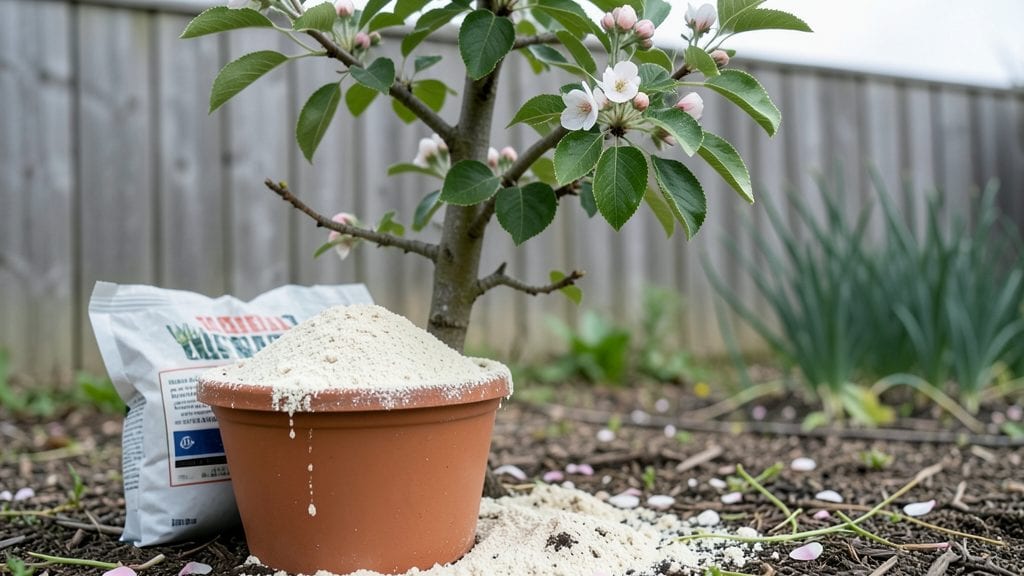
When your tree’s leaves start looking sad and brown—like my oak’s did last summer—you’re probably dealing with a fungal infection. 🌿 The right antifungal spray can turn that around faster than you think, even if you’ve never done this before.
I’ve tried everything from store-bought chemicals to homemade mixes, and some work better than others for keeping trees healthy long-term.
The key is acting fast when you spot those first signs: discolored leaves, weird spots, or mushrooms at the base. You’ll need a spray bottle, some basic ingredients (like neem oil or copper fungicide), and about 5 minutes of your time.
Most people overcomplicate this—it’s not rocket science, just targeting the fungus before it spreads. My trees went from struggling to thriving in just a few weeks after the first treatment.
You’ll end up with a tree that looks strong and green again, not just temporarily fixed up. The spray creates a protective barrier that keeps new infections from taking hold, and the best part?
You can do this without harsh chemicals if you prefer natural options. Once you see the difference, you’ll never ignore those early warning signs again.
Works for common diseases like anthracnose, powdery mildew, and even root rot—just adjust the ingredients based on what’s attacking your tree. Let’s get those branches back to their best in no time.
📚 In This Guide
- What you need
- Instructions
- Tips and common mistakes
- Wrapping up and next steps
What you need
- ● Neem oil (100% pure, cold-pressed): 1 cup (240 mL) – the powerhouse antifungal
- ● Baking soda (food-grade): 1 tablespoon – boosts pH balance and fights fungus
- ● Dish soap (mild, unscented): 1 teaspoon – helps emulsify the mix
- ● Water (distilled or boiled & cooled): 1 gallon (3.8 L) – clean base for the spray
- ● Spray bottle or garden sprayer: 1 gallon capacity – even coverage is key!
- ● Protective gear: Gloves (nitrile or rubber)
- ● Long sleeves & pants
- ○ Safety goggles (optional but wise!)
- ● Pruning shears (sterilized): 1 pair – for removing infected branches
- ● Hydrogen peroxide (3% solution): ½ cup – extra antifungal punch
- ● Essential oils (tea tree, clove, or eucalyptus): 10–15 drops – natural antimicrobial boost
- ● Lime sulfur solution (store-bought): 1 cup – for stubborn fungal issues
- ● Plastic sheeting: 1 roll – to protect nearby plants or soil
- ● Label & marker: 1 – to tag your homemade spray
Step-by-Step instructions for creating a natural tree antifungal spray
Here's how to mix and apply a fast, effective spray to protect trees from fungal diseases.
🌿 Step 1: Gather and Mix the Natural Antifungal Solution
Combine 1 quart of water with 1 tablespoon of baking soda and 1 tablespoon of vegetable oil in a clean spray bottle. The oil helps the baking soda stick to the tree bark and leaves. I like to use a spray bottle with a fine mist nozzle—it covers the surface evenly without running off.
Add ½ teaspoon of dish soap (the kind without fragrances or dyes) to help the mixture spread. Swirl gently to mix everything together. The solution should look slightly cloudy but not oily. Avoid shaking too hard—this creates suds that can clog the spray nozzle.
💧 Step 2: Apply the Spray to Affected Areas
Start spraying the mixture on the undersides of leaves first—this is where fungal spores often hide. Hold the bottle about 12 inches away and apply until the leaves look damp but not dripping. Fungal spores thrive in moisture, so thorough coverage is key.
Move to the trunk and branches, focusing on cracks, wounds, or areas with visible mold. Spray until the bark appears slightly damp. If you notice dark spots or powdery growth, give those areas extra attention. Work in the early morning or late afternoon to avoid stressing the tree in direct sunlight.
☀️ Step 3: Reapply After Rain or Every 7-10 Days
Rain will wash away the spray, so check the tree 24 hours after application. If leaves look dry, spray again. For severe fungal issues, I apply the mixture every 7-10 days until the problem clears. Consistency is more important than frequency—skipping treatments lets spores regain a foothold.
If you see new growth or signs of recovery after a few applications, you can stretch the interval to every 2-3 weeks as maintenance. Always spray in calm weather—wind can carry the mixture away or make it uneven.
✂️ Step 4: Prevent Future Fungal Growth
Remove any dead, diseased, or fallen leaves from the base of the tree. Fungal spores overwinter in organic debris, so clearing this up reduces reinfection. I also prune any crossing or rubbing branches—these create wounds where fungi can enter.
Water the tree at the base, not overhead, to keep leaves dry. Wet foliage for long periods invites fungal growth. If your tree is stressed (from drought, poor soil, or pests), address those issues first—healthy trees resist fungal attacks better.
Tips & tricks for perfect natural tree antifungal spray
Between us, the secret to this spray working like a charm lies in the details—especially how you mix and apply it. Here's what nobody tells you about getting the most out of your natural antifungal treatment.
Mixing Technique: When combining the 1 quart of water, 1 tablespoon of baking soda, and 1 tablespoon of vegetable oil, use a clean spray bottle with a fine mist nozzle—this ensures even coverage without clogging. I've learned the hard way that shaking too vigorously creates suds from the ½ teaspoon of dish soap, which can clog the nozzle. Swirl gently instead to maintain that perfect cloudy consistency. The oil acts like a natural adhesive, helping the baking soda stick to leaves and bark where it's needed most.
Application Strategy: In Step 2, focus on those undersides of leaves first—this is where fungal spores love to hide. Hold the bottle about 12 inches away and apply until leaves look damp but not dripping. I've noticed that thorough coverage is everything; even missed spots can become new infection sites. For trunks and branches, pay extra attention to cracks and wounds—these are prime entry points for fungal growth. The early morning or late afternoon timing isn't just about avoiding sunlight stress—it's when humidity is lower, giving the spray time to dry properly and work its magic.
Consistency is Key: The 7-10 day reapplication schedule might seem frequent, but it's crucial for preventing fungal regrowth. I've seen cases where people skip applications because they think "it's working," only to have the problem flare up again. Check the tree 24 hours after application—if leaves look dry, spray again. For severe cases, stick to the 7-10 day interval until you see consistent improvement. Once you notice new growth and recovery, you can extend to every 2-3 weeks as maintenance, but don't skip this step entirely.
Preventative Maintenance: The cleanup work in Step 4 is just as important as the spray itself. Remove all dead or diseased leaves from the base—these are fungal spore reservoirs waiting to reinfect your tree. I've seen cases where people miss this step and wonder why their antifungal efforts aren't working. Also, prune crossing branches to prevent wounds where fungi can enter. Watering at the base instead of overhead keeps leaves dry, which is one of the simplest ways to prevent fungal growth in the first place.
Pro Tips for Antifungal For Trees
- Between us, the secret to this spray working like a charm lies in the details—especially how you mix and apply it.
- Mixing Technique: When combining the 1 quart of water, 1 tablespoon of baking soda, and 1 tablespoon of vegetable oil, use a clean spray bottle with a fine mist nozzle—this ensures even coverage without clogging.
- Application Strategy: In Step 2, focus on those undersides of leaves first—this is where fungal spores love to hide.
Frequently asked questions
about antifungal treatments for trees—because even the best gardeners have questions! Here are some common ones to help you tackle fungal issues like a pro.What’s the best time of year to apply antifungal spray to trees?
Apply antifungal treatments early spring or late fall when trees are dormant but before new growth starts. This timing prevents fungal spores from establishing. Avoid spraying during rain or extreme heat—wait for calm, dry conditions (morning or evening works best).
Can I use vinegar or baking soda as a natural antifungal for trees?
Yes! A 1:1 vinegar-water spray (applied to leaves) or a baking soda mix (1 tbsp baking soda + 1 tsp soap per gallon of water) can help, but they’re milder than commercial fungicides. Test on a small area first—some trees (like azaleas) may react poorly. For stubborn infections, combine with copper-based sprays for better results.
How often should I reapply antifungal spray?
Reapply every 2–4 weeks during active growing seasons (spring/fall) or after rain washes off the treatment. If your tree has a chronic fungal issue (like powdery mildew or anthracnose), consider a preventative schedule—spraying every 7–10 days until the threat passes. Always follow the product label for specifics!
What should I do if the antifungal spray isn’t working?
If you see no improvement after 2–3 applications, the fungus may be too advanced or resistant. Try these fixes:
- Prune infected branches (sterilize tools with rubbing alcohol).
- Switch to a different antifungal active ingredient (e.g., neem oil, copper fungicide, or potassium bicarbonate).
- Check for underlying stress—overwatering, poor drainage, or pests can weaken trees and invite fungi.
Are there antifungal sprays safe for fruit trees and edible plants?
Yes! Opt for organic, food-safe fungicides like:
- Neem oil (disrupts fungal spores, safe for harvest in 24 hours).
- Copper fungicide (effective but avoid overuse—can harm soil).
- Bacillus subtilis (Serenade) (a microbial fungicide, OMRI-listed).
Wrapping up and next steps
Protecting your trees from fungal threats doesn’t have to be complicated or time-consuming! With the right antifungal for trees, you can safeguard your greenery in just five minutes—using natural, effective solutions that keep your yard healthy and thriving. 🌿✨
Take action today: inspect your trees, gather your supplies, and apply your homemade or store-bought antifungal spray before fungal issues take hold. Your trees (and future generations of gardeners!) will thank you.
💡 Pro Tip: Schedule a quick monthly check-up for your trees—prevention is always easier (and cheaper!) than treatment.