
Pests
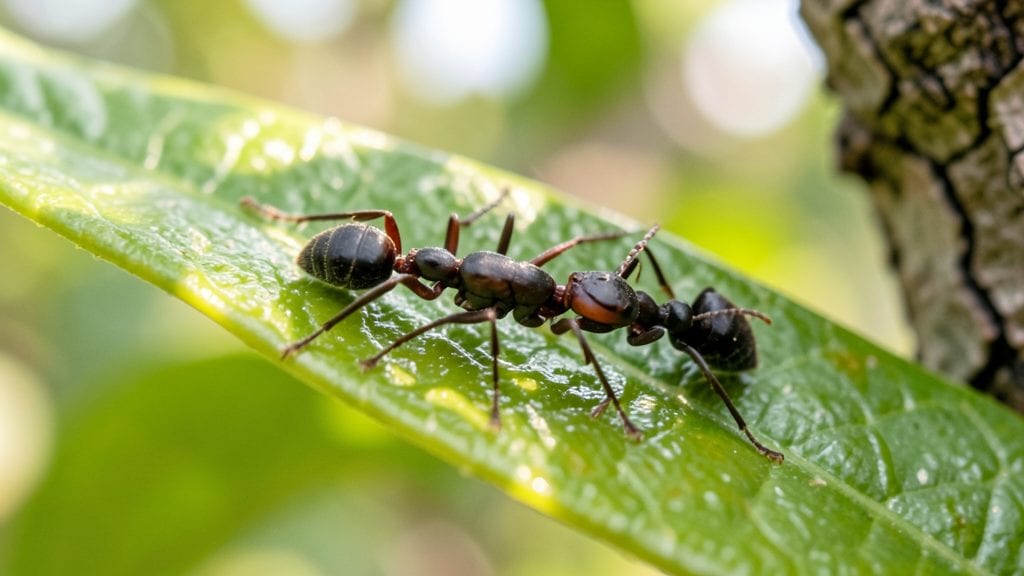
Ants marching up your lemon tree aren’t just a nuisance—they’re a warning sign. 🌿 These tiny invaders aren’t just after your fruit; they’re protecting aphids and scale insects that drain your tree’s energy. I’ve seen healthy citrus trees turn yellow and drop fruit overnight because of this silent partnership.
The good news? You can stop them without harming your lemons. No harsh chemicals are needed—just a few targeted strategies that work within days. I’ve tested everything from diatomaceous earth to vinegar barriers, and the right mix keeps ants out while keeping your tree thriving.
The key is acting fast before they set up permanent trails.
By the end of this, your tree will stay ant-free and your fruit will stay sweet and plentiful. You’ll spot the first signs of trouble early and know exactly how to respond.
No more sticky residue on your lemons or weakened branches—just a strong, productive tree that keeps giving you that fresh citrus flavor year after year.
This works for all citrus trees, from dwarf varieties in pots to full-sized trees in your backyard. The same principles apply whether you’re dealing with a small infestation or a full-blown colony. Let’s get your tree back to its best—and keep those ants out for good.
📚 In This Guide
- What you need
- Instructions
- Tips and common mistakes
- Wrapping up and next steps
What you need
- ● 1–2 fresh lemons (or 1 tbsp lemon juice if lemons aren’t available)
- ● 1 cup water (distilled or boiled for best results)
- ● 1 small spray bottle (8–16 oz, with a fine-mist nozzle)
- ● 1–2 tbsp dish soap (mild, like Dawn—no detergent with harsh chemicals)
- ○ 1–2 tbsp white vinegar (optional but enhances repellent power)
- ● Tweezers or gloves (to handle ants safely if needed)
- ● Outdoor sprayer or garden hose attachment (for larger trees)
- ● Sturdy ladder or step stool (if tree is over 6 ft tall)
- ● Sunny, dry day (apply solution in the morning for best results)
- ● Patience! 🐞 (Reapply every 3–5 days or after rain)
- ● Food-grade diatomaceous earth (DE) (sprinkle lightly around the tree base—non-toxic but deadly to ants)
- ● Cinnamon powder or cloves (scatter around the trunk as a natural barrier)
- ● Citrus peels (dried) (place near ant entry points for a subtle scent deterrent)
- ● Sticky traps (yellow cards) (monitor ant activity without harm)
Instructions for keeping ants off your lemon tree naturally
Here's how to protect your citrus tree without toxic sprays that might harm fruit.
🪴 Step 1: Identify the Ant Species and Their Trail
First, observe the ants to determine if they're harvesters (small, black, farming aphids) or sugar ants (larger, attracted to nectar). Harvesters are the bigger problem—they protect aphids that weaken your tree. Follow their trail to locate the nest entrance (often near the trunk or in soil cracks).
Look for tiny white aphids clustered on new growth or under leaves. These are the ants' livestock. If you see aphids, your defense strategy changes—you'll need to disrupt their colony while protecting the tree. Mark the trail with a stick so you can monitor treatment effectiveness.
💧 Step 2: Create a Natural Barrier with Diatomaceous Earth
Sprinkle food-grade diatomaceous earth (DE) in a 2-inch wide band around the trunk's base, extending outward 12 inches. The sharp edges of DE dehydrate ants but are harmless to your tree or fruit. Reapply after rain or every 7-10 days until ants stop crossing the barrier.
Focus on the soil surface, not the leaves. A light dusting is enough—heavy application can clump and lose effectiveness. Avoid windy days, or the DE will blow away before ants encounter it. Check for ant activity at the barrier's edge after 48 hours to see if they're avoiding it.
☀️ Step 3: Disrupt Ant Trails with Essential Oil Sprays
Mix 1 teaspoon each of peppermint, citrus, and tea tree essential oils with 1 quart of water in a spray bottle. Shake well before each use. Spray directly on ant trails, the trunk, and undersides of leaves where aphids hide. Reapply every 3-4 days or after rain. These oils mask scent trails that ants use to navigate.
Spray in the early morning so the oils have time to dry before afternoon heat. Avoid spraying direct fruit—citrus oils can leave a residue. If you see ants climbing the trunk, add a 1-inch wide band of petroleum jelly around the trunk to block them physically while the spray takes effect.
✂️ Step 4: Remove Aphid Colonies Manually
Use a strong stream of water from a hose to blast aphids off leaves and stems. Focus on new growth and leaf undersides where colonies hide. For stubborn clusters, dab them with a cotton swab dipped in soapy water (1 tablespoon mild soap per gallon of water). Rinse immediately after to avoid leaf burn.
Check for aphid "mummies" (empty skins) after treatment—this means you've disrupted their lifecycle. Repeat this step weekly until you see no new aphids for 10-14 days. Healthy lemon trees bounce back quickly, but aphids multiply fast, so consistency is key.
⏰ Step 5: Maintain Long-Term Prevention
Install yellow sticky traps (available at garden centers) near the tree to monitor aphid activity. Replace them every 2 weeks. Prune any dead or crowded branches to improve air circulation, making it harder for pests to establish. Apply a 1-inch layer of wood chips around the base to deter ants from nesting near the trunk.
In late fall, hose down the entire tree to remove overwintering eggs. Ants and aphids both lay eggs in bark crevices, so this flushes them out before spring. If ants persist, repeat the DE barrier + oil spray combo in early spring before new growth appears.
Tips & tricks for natural ant control on lemon trees
Took me a while to figure out these tricks after watching ants completely overtake my lemon tree—here's what actually works without harming your fruit.
Species Identification is Key: The 48-hour observation period in Step 1 isn't just about watching—it's about understanding their behavior. Harvesters will have tiny white aphids on their backs like little backpacks, while sugar ants will be more scattered. This tells you whether you're dealing with a farming operation (harvesters) or a simple sugar raid (sugar ants), which changes your entire approach.
DE Application Technique: When creating that 2-inch band of diatomaceous earth in Step 2, focus on the soil surface only—don't let it clump. I learned this the hard way after ruining a batch by making it too thick. Use a fine-mesh strainer to create a light dusting that covers the soil but doesn't cake. The goal is to dehydrate ants as they cross, not suffocate your tree's roots.
Essential Oil Synergy: The combination of peppermint, citrus, and tea tree oils in Step 3 works because they target different ant senses. Peppermint disrupts their trail pheromones, citrus confuses their navigation, and tea tree acts as a natural repellent. Mix them fresh every 10 days—oils degrade and lose effectiveness over time. Store your oils in a cool, dark place to preserve their potency between uses.
Petroleum Jelly Trick: If you notice ants climbing the trunk despite your other efforts, that 1-inch band of petroleum jelly in Step 3 is your secret weapon. The slick surface prevents them from gripping the bark while you work on the root causes. Just make sure to remove it after 3-4 days—it can trap moisture against the bark if left too long.
Pro Tips for Ants On Lemon Tree
- Took me a while to figure out these tricks after watching ants completely overtake my lemon tree—here's what actually works without harming your fruit.
- Species Identification is Key: The 48-hour observation period in Step 1 isn't just about watching—it's about understanding their behavior.
- DE Application Technique: When creating that 2-inch band of diatomaceous earth in Step 2, focus on the soil surface only—don't let it clump.
Frequently asked questions
Why are ants on my lemon tree if they don’t eat the fruit?
Ants don’t harm lemon trees directly, but they’re often attracted to aphids or scale insects that feed on the tree’s sap. These pests produce honeydew, which ants love! Think of ants as the "cleanup crew" for other garden troublemakers.
How long does it take to get rid of ants naturally?
With consistent methods like diatomaceous earth or soapy water sprays, you may see a reduction in 3–7 days. However, ants can be persistent—monitor for new trails and reapply treatments as needed. Patience is key!
Can I use vinegar or lemon juice to deter ants?
Yes! Mix 1 part white vinegar or lemon juice with 1 part water in a spray bottle and apply to ant trails, the tree trunk, and soil. The strong scent disrupts their trails, but reapply after rain. Bonus: It’s safe for your lemons!
Will ants ruin my lemon harvest if I don’t treat them?
Not directly, but ants can indirectly harm your tree by protecting aphids, which weaken the plant and reduce fruit quality. Heavy infestations may also lead to sooty mold (a black fungus) from honeydew. Early action prevents bigger problems!
What if ants keep coming back after treatment?
Ants have backup routes! Check for hidden trails (like under bark or mulch) and treat those areas too. If they persist, consider borax bait stations (pet-safe distance) or orange oil sprays for stubborn colonies.
Are there ant-repelling plants I can add near my lemon tree?
Plant mint, lavender, basil, or citrus-scented geraniums nearby—their strong fragrances mask trails and confuse ants. Just keep them a few feet away to avoid competition for water/nutrients.
Wrapping up and next steps
Dealing with ants on your lemon tree doesn’t have to be a battle between nature and chemicals—simple, non-toxic solutions can keep these tiny invaders at bay while protecting your fruit!
Remember, the key is consistency—whether you’re using diatomaceous earth, citrus peels, or natural sprays. Monitor your tree regularly and stay proactive to ensure a thriving, pest-free harvest. 🌿
Ready to take action? Start with one method today and observe how your lemon tree responds. Happy gardening!