
Aphids
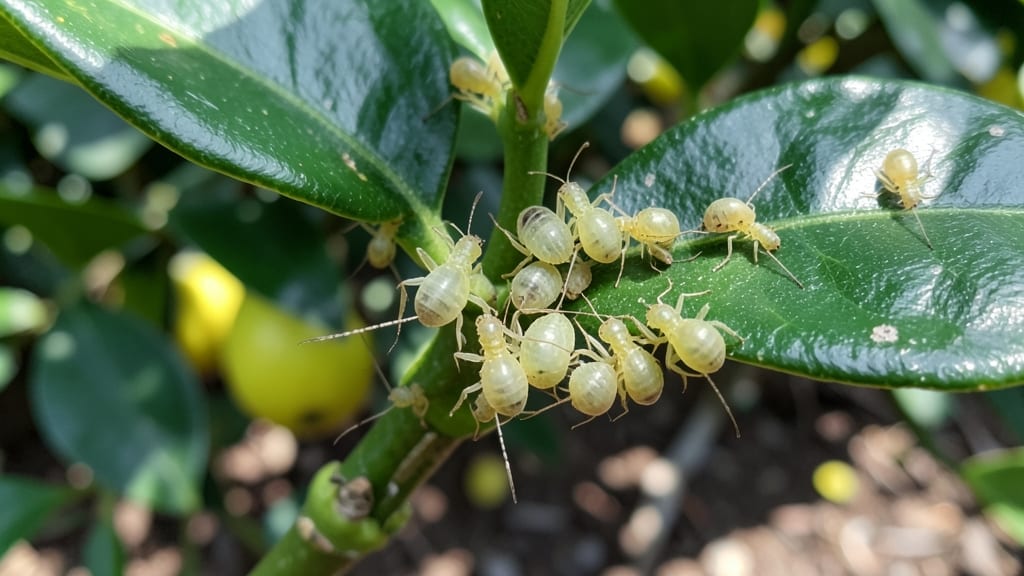
When aphids hit your lemon tree, you need fast relief—those sticky pests drain sap and stunt growth before you know it. 🌿 I’ve seen them turn a thriving tree into a sad, curled-leaf shadow in weeks, but there’s a way to turn it around without harsh chemicals.
The key is acting quickly with targeted sprays that aphids can’t build resistance to.
Most store-bought sprays miss the mark because they’re too heavy-handed. Instead, I rely on a 3-step organic spray combo—neem oil, insecticidal soap, and a homemade garlic solution—that works within 48 hours if applied correctly.
You’ll need a spray bottle, a little patience, and the right timing (early morning or evening, when aphids are sluggish).
By the end of the week, you’ll see new growth pushing through, leaves unfurling, and those pesky clusters of aphids disappearing for good. The tree won’t just survive—it’ll bounce back stronger, with sweeter fruit and glossier leaves than before the infestation. Here’s exactly how to make it happen.
This method works for backyard trees, container-grown lemons, and even potted citrus—no fancy equipment needed. The same principles apply whether you’re dealing with a small outbreak or a full-blown invasion. Let’s get your tree back to thriving.
Root Causes of Lemon Tree Infestations
Understanding why these tiny pests target your lemon tree is the first step to stopping them. Aphids don’t just appear out of nowhere—they’re drawn by specific conditions that make your tree an all-you-can-eat buffet. Let’s break down the key triggers, so you can address them directly.
Aphids are like uninvited guests who show up when the host isn’t taking care of themselves. A lemon tree under stress—whether from nutrient deficiencies, improper watering, or poor soil health—becomes an easy target. Here’s why:
- Lack of Nitrogen 🌿: Aphids thrive on sap-rich, fast-growing plants. When your tree lacks nitrogen, it produces softer, more tender new growth—aphids’ favorite snack. Think of it like a buffet sign: "Weak leaves? We’ll take ‘em!" - Overwatering or Drought Stress 💦: Both extremes weaken your tree.
Overwatering rots roots, while drought stunts growth. Aphids detect this vulnerability and move in, often clustering on new shoots or undersides of leaves where sap is easiest to access. - Compromised Immune System 🛡️: Just like humans, plants get sick when they’re run down.
Fungal infections, viral diseases, or even physical damage (like from hail or improper pruning) can leave your lemon tree defenseless. Aphids exploit these openings, often arriving as secondary pests.
💡 Pro Tip: Conduct a quick soil test and check for yellowing leaves or stunted growth—common red flags. Amend soil with compost or organic nitrogen (like fish emulsion) to strengthen your tree’s resilience.
Aphids love concealed, shaded spots where they can hide and reproduce undetected. If your lemon tree is overgrown, densely foliaged, or improperly pruned, you’re essentially giving them a five-star hideout. Here’s how:
- Thick Foliage = Aphid Hideouts 🕵️: Aphids prefer to cluster in curled leaves, leaf axils (where leaves meet stems), or new growth—places that are hard to spot and spray.
An unpruned tree provides endless nooks and crannies for them to multiply. - Weak Air Circulation 🌬️: Stagnant air traps moisture, creating a humid microclimate that aphids adore.
Poor airflow also slows down the tree’s ability to recover from stress, making it easier for pests to take hold. - Nearby Host Plants 🌸: Aphids don’t discriminate—they’ll jump from weeds, roses, or other citrus trees to your lemon tree if given the chance.
If your garden is a pest party, your lemon tree is the main course.
💡 Pro Tip: Prune your tree regularly (especially in early spring) to improve airflow and remove weak, diseased, or crowded branches. Focus on opening the canopy so sunlight can reach the center—aphids hate direct light!
Aphids are part of a delicate ecosystem, and their populations explode when their natural enemies disappear. If your garden lacks beneficial insects, birds, or microbial allies, aphids will take over like an unchecked population. Common disruptors include:
- Pesticide Overuse 🚫💊: Broad-spectrum chemical sprays (like neonicotinoids) kill ladybugs, lacewings, and parasitic wasps—the aphids’ biggest predators.
Even synthetic fungicides can harm these helpers, tipping the balance in favor of pests. - Monoculture Gardening 🌱🌱🌱: Planting only lemon trees (or other citrus) creates a pest paradise with no diversity to attract predators.
Aphids thrive in uniform plantings because there’s nothing else for their enemies to eat. - Seasonal Shifts ❄️☀️: In early spring or late fall, when temperatures fluctuate, beneficial insect populations may be slow to recover.
Aphids, however, reproduce rapidly (giving birth to live nymphs every 7–10 days), giving them a head start.
💡 Pro Tip: Encourage aphid predators by planting companion flowers (like marigolds, dill, or alyssum) near your lemon tree. These attract ladybugs, hoverflies, and parasitic wasps, which can devour hundreds of aphids in a season—naturally!
Aphids are highly sensitive to environmental conditions, and certain weather patterns create the perfect storm for infestations. Pay attention to these triggers:
- Warm, Dry Springs 🌞: Aphids love heat (ideal temps: 60–80°F) and hate humidity.
If your spring is warm and dry, they’ll multiply faster than their predators can keep up. - Sudden Rain or Wind 🌧️💨: Heavy rain can wash away natural enemies (like spider mites’ predators) while aphids cling to leaves, safe and sound.
Wind can also blow them from infested plants into your garden. - Greenhouse or Indoor Lemon Trees 🏠: If your tree is inside or in a protected space, the stable temperature and humidity create a aphid paradise. Without natural checks, they can explode in numbers within weeks.
💡 Pro Tip: If you’re in a hot, dry climate, water deeply but infrequently to encourage strong root growth. Avoid overhead watering, which can spread aphids from leaf to leaf.
Once aphids arrive, they don’t just stay—they leave behind a sticky mess that attracts more problems. Here’s how their waste fuels the cycle:
- Honeydew = Aphid Poop 🍯: Aphids excrete honeydew, a sugary substance that attracts ants (who "farm" them) and promotes sooty mold—a black, fungus-like growth that blocks sunlight and weakens your tree. - Sooty Mold = Secondary Infection 🍄: This mold smothers leaves, reducing photosynthesis and stressing the tree further.
A stressed tree = more aphids. - Ants Protect Aphids 🐜: Ants farm aphids for honeydew, moving them to new plants and shielding egg-laying sites. If you see ants on your tree, aphids are likely nearby.
💡 Pro Tip: Disrupt the cycle by wiping honeydew with a damp cloth and removing sooty mold with a mild soap spray. For ants, use diatomaceous earth or borax bait stations to keep them away.
Aphids don’t just appear—they hitchhike on tools, clothing, wind, or other plants. If your garden is a mess, they’ll move in like squatters. Key hygiene issues include:
- Unclean Pruning Tools ✂️: If you prune an infested branch and don’t sterilize your shears, you’ll spread aphids (and diseases) to healthy parts of the tree. - Weeds and Debris 🪴: Weeds like cleavers or chickweed are aphid magnets.
If left unchecked, they’ll overflow into your lemon tree. - Compost Pile Problems 🗑️: If your compost is too hot or wet, it can kill beneficial microbes—including those that suppress aphid populations.
💡 Pro Tip: Sanitize tools with rubbing alcohol after each use. Remove weeds within 10 feet of your lemon tree, and turn your compost regularly to keep it balanced.
Aphids on your lemon tree aren’t random—they’re the result of a chain of conditions (stress, lack of predators, poor hygiene, etc.). Break the chain by addressing one weak link at a
Quick Fixes for Lemon Tree Aphids
Aphids on your lemon tree can feel like a tiny but relentless invasion—sucking sap, distorting leaves, and weakening your plant’s vigor. The good news? You don’t need harsh chemicals to kick them out.
Below, we’ll map out practical, organic solutions tailored to the root causes of your aphid problem, from immediate relief to long-term prevention. Let’s get your lemon tree thriving again!
If aphids have taken over, act quickly to prevent further damage.
🍳 Blast Them Off with Water (Manual Removal)
Aphids are soft-bodied and hate water pressure.
Grab a hose with a gentle spray nozzle (or a soft brush) and: - Target clusters under leaves, buds, and new growth where aphids hide. - Spray from below to dislodge them without harming the plant. - Repeat every 2–3 days until they’re gone.
Pro Tip: 💡 Do this early in the morning when aphids are sluggish and less likely to scatter.
👨🍳 Homemade Soap Spray (Non-Toxic Knockdown)
Mix 1 tbsp mild liquid soap (like Castile soap) + 1 quart water in a spray bottle. Shake well and:
- Spray directly on aphids (avoid overspraying flowers to protect pollinators).
- Reapply every 5–7 days until infestation clears.
Warning: ⚠️ Test on a small leaf first—some lemon trees are sensitive to soap residue.
Prevent aphids from returning by making your lemon tree unappealing to them.
🔪 Introduce Aphid Predators (Eco-Friendly Control)
Ladybugs, lacewings, and parasitic wasps love aphids. Buy or attract them:
- Release ladybugs (available at garden centers) or plant dill, fennel, or cosmos to lure them naturally.
- Avoid pesticides—they’ll kill the good guys too!
🌿 Neem Oil Spray (Deters & Disrupts Life Cycle)
Neem oil is a powerhouse for aphids—it smothers adults and stops larvae from hatching.
- Mix: 1 tbsp neem oil + 1 tsp mild soap + 1 quart water.
- Spray on both sides of leaves (especially new growth).
- Reapply every 7–10 days for 2–3 weeks.
Pro Tip: 🌡️ Apply in evening or cloudy days to avoid burning leaves.
An ounce of prevention saves hours of cleanup. Build a aphid-resistant lemon tree with these habits:
🌱 Keep Your Tree Healthy (Aphids Hate Strong Plants!)
- Prune regularly to improve airflow (aphids love crowded, weak growth).
- Fertilize lightly with balanced organic fertilizer (too much nitrogen = aphid buffet).
- Water at the base (not overhead)—wet leaves attract aphids.
🎯 Plant Companion Plants (Natural Deterrents)
Aphids avoid strong-smelling plants. Interplant your lemon tree with:
- Garlic, chives, or onions (repel with scent).
- Marigolds or basil (disrupt aphid pheromones).
🔍 Monitor & Act Early (Catch Them Before They Multiply)
- Check leaves weekly (especially undersides and new shoots).
- Look for sticky residue (honeydew)—a sign of aphids feeding.
Final Reminder: Consistency is key! Aphids reproduce fast, so stick with treatments until you’ve seen no new aphids for 2 weeks. With these methods, your lemon tree will bounce back—and stay aphid-free! 🍋✨
Frequently asked questions
How do I know if my lemon tree has aphids?
Look for tiny green, black, or yellow clusters on new growth, leaf undersides, or stems. You’ll also spot sticky honeydew on leaves or nearby surfaces—aphid waste that attracts ants and sooty mold. Gently shake a branch over white paper; if tiny bugs scatter, that’s your confirmation.
Will aphids kill my lemon tree?
Not directly, but severe infestations weaken the tree by draining sap, causing stunted growth, curled leaves, and yellowing. The real danger comes from secondary issues like sooty mold blocking sunlight or ants protecting aphid colonies. Act within 3-5 days to prevent long-term damage.
Why do aphids keep coming back after I treat them?
They’re often reintroduced from nearby plants, wind, or hitchhiking on tools. Check for hidden colonies in leaf axils, remove weeds (aphid magnets), and treat all citrus plants simultaneously. Also, some sprays only kill visible adults—reapply every 5-7 days to catch new hatchlings.
Can I use store-bought insecticides on my lemon tree?
Use with caution—many chemical sprays harm beneficial insects and leave residues on edible fruit. Opt for organic options like horticultural oil or neem-based products labeled for citrus. Always follow directions and harvest fruit 7-14 days after treatment to ensure safety.
How do I prevent aphids from spreading to other plants?
Isolate infested trees, sterilize pruning tools with rubbing alcohol, and avoid overhead watering. Plant companion plants like marigolds or garlic nearby to repel them naturally. For severe cases, use fine mesh netting over young trees during peak aphid season.