Aphids
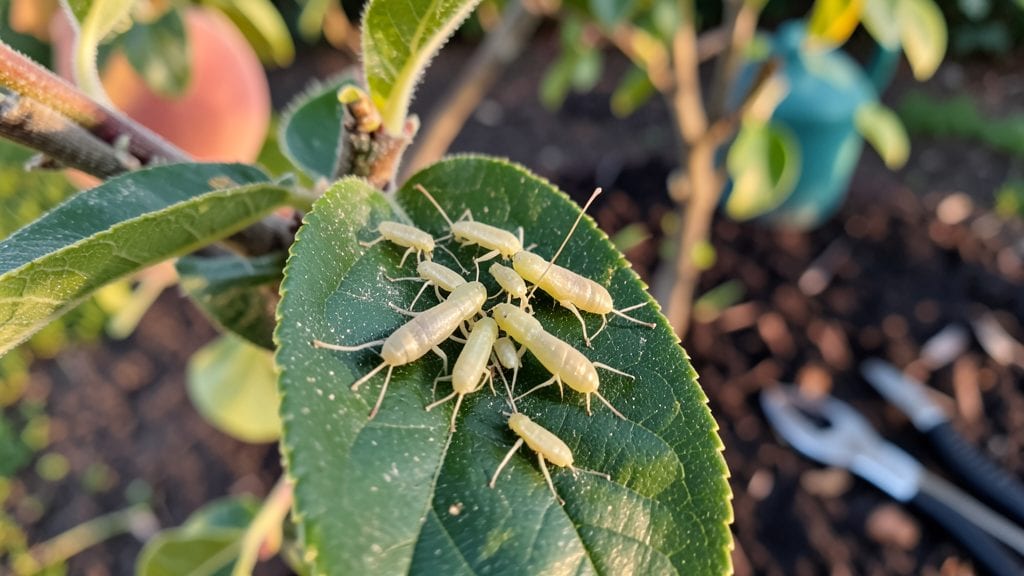
Aphids on peach trees can turn your harvest into a sticky, sooty mess if you don’t act fast. 🌱 I’ve battled these sap-sucking pests on my own peach trees, and the right natural spray can stop them in their tracks—often within hours.
The key is acting early, when you spot the first curled leaves or clusters of tiny green bugs along the branches.
Most gardeners reach for chemical sprays, but I’ve found that neem oil and insecticidal soap work just as well—without harming bees or your family. You’ll also need a sturdy spray bottle, some water, and a little patience.
The best part? These remedies are cheap, easy to make at home, and safe to use right up until harvest day.
Within 24-48 hours of treatment, you’ll see the aphids dropping off like rain. The leaves will stop curling, and new growth will emerge lush and green instead of yellowed and sticky. Plus, you’ll attract ladybugs and lacewings naturally, which will keep the pests under control for good.
This method works for stone fruit trees like plums and cherries too, and it’s perfect for organic gardeners or anyone who wants to avoid harsh chemicals. Let’s get those trees back to producing sweet, juicy peaches instead of aphid snacks.
Root Causes of Peach Tree Aphids
Peach trees are a magnet for aphids, but why do these tiny pests show up in the first place? Understanding the underlying factors can help you prevent future infestations and tackle the problem at its source.
Here’s a breakdown of the most common reasons aphids invade your peach tree—and how to address them.
Aphids thrive on trees that are already struggling. When a peach tree is weak, it produces more sugary sap—a delicious snack for aphids. Here’s what makes your tree vulnerable:
- Poor Nutrition – A lack of essential nutrients (like nitrogen, phosphorus, or potassium) weakens the tree’s defenses. Aphids detect these deficiencies and target the tree as an easy meal. Action: Test your soil and amend it with compost or a balanced fertilizer to strengthen the tree’s resilience.
- Drought or Overwatering – Both extremes stress the tree. Drought weakens roots, while overwatering suffocates them, making the tree an easy target for pests. Action: Water deeply but infrequently (about 1 inch per week) and ensure proper drainage.
- Disease or Pest Damage – If your tree has already been attacked by other pests (like spider mites) or diseases (such as peach leaf curl), it becomes more susceptible to aphids. Action: Monitor for early signs of disease and treat promptly with organic fungicides or insecticidal soap.
Aphids love lush, tender new growth because it’s packed with nutrients. If your peach tree is growing too vigorously—or too chaotically—it sends out a welcome mat for these pests.
- Excessive Pruning or Trimming – While pruning is essential, overdoing it can stimulate rapid regrowth, which aphids adore. They cluster on fresh shoots to feed and reproduce. Action: Prune in late winter or early spring, removing only dead or crossing branches. Avoid heavy cuts that spur excessive new growth.
- Fertilizer Overload – Too much nitrogen (a common fertilizer ingredient) promotes soft, fast-growing shoots—aphid buffets. While nitrogen is vital, excess turns your tree into an all-you-can-eat aphid restaurant. Action: Use a slow-release, balanced fertilizer and follow package instructions carefully.
- Weedy or Unkempt Surroundings – Aphids don’t just target peach trees; they also feed on weeds and nearby plants. These act as "nurse plants," harboring aphids that later migrate to your tree. Action: Keep the area around your tree weed-free and remove any infested plants within 10 feet.
Aphids don’t usually dominate a healthy ecosystem—they’re kept in check by predators like ladybugs, lacewings, and parasitic wasps. If these natural controls are absent, aphid populations explode.
- Pesticide Use Disrupts the Balance – Broad-spectrum chemical pesticides kill both aphids and their predators, leaving your tree defenseless. This creates a vacuum that aphids rush to fill. Action: Opt for targeted, organic sprays (like neem oil or insecticidal soap) that spare beneficial insects.
- Monoculture Gardening – Planting only peach trees (or other susceptible fruit trees) in a row eliminates biodiversity. Without a mix of plants, natural predators have fewer food sources and may abandon the area. Action: Introduce companion plants like marigolds, basil, or dill to attract aphid-eating insects.
- Seasonal Timing – Aphids often strike in early spring when trees are just waking up. If natural predators haven’t returned from overwintering yet, aphids get a head start. Action: Plant flowers that bloom early (like alyssum or sweet alyssum) to lure predators back to your garden sooner.
Aphids are highly sensitive to temperature and humidity. Certain weather patterns create the perfect conditions for them to multiply rapidly.
- Mild Winters – If winter temperatures rarely drop below freezing, aphid eggs laid on your tree or nearby plants survive to hatch earlier in the season. Action: Prune and dispose of heavily infested branches in the fall to reduce overwintering sites.
- Warm, Dry Springs – Aphids reproduce faster in warm, dry conditions. Without rain to wash them away or predators to control them, populations skyrocket. Action: Use shade cloth or mulch to moderate soil temperature and retain moisture during dry spells.
- High Humidity – While aphids prefer dry conditions, high humidity can slow down their natural enemies (like ladybugs), giving the pests an advantage. Action: Improve airflow around your tree by pruning dense branches and spacing plants appropriately.
Sometimes, gardeners unknowingly create aphid hotspots with common practices. Here’s how:
- Planting Near Host Plants – Aphids on nearby plants (like roses, fruit trees, or vegetables) can easily spread to your peach tree via wind or insects. Action: Inspect neighboring plants regularly and treat infestations before they jump to your peach tree.
- Using Honey or Sugary Sprays – Some homemade remedies (like honey sprays for fungal diseases) can attract aphids, who are drawn to sweet substances. Action: If using honey-based sprays, apply them in the early morning when aphids are less active and rinse the tree with water afterward.
- Ignoring Early Signs – A few aphids might seem harmless, but they reproduce exponentially. A single colony can grow into thousands in weeks if left unchecked. Action: Act at the first sign of aphids—blast them off with water or apply a natural spray immediately.
Quick Fixes for Tiny Tree Invaders
Aphids on your peach tree might feel like a tiny but relentless battle, but don’t worry—there are fast, effective, and natural ways to tackle them before they wreak havoc.
Below, we’ve mapped out practical solutions based on the most common causes of aphid infestations, along with prevention tips to keep your tree thriving long-term.
If your peach tree is weak due to poor nutrition, drought, or overwatering, aphids will swarm like a buffet. Strengthening your tree is the first line of defense.
🌱 Step 1: Check Soil & Watering Habits
- Test the soil (use a moisture meter or stick your finger 2 inches deep). If it’s too dry or soggy, aphids will thrive.
- Water deeply but less often—peach trees hate "wet feet."
Aim for 1–1.5 inches per week (adjust for rain). - Mulch around the base (2–3 inches of wood chips or straw) to retain moisture and regulate soil temperature.
💪 Step 2: Feed with the Right Nutrients
Aphids love soft, nutrient-deficient leaves.
Give your tree a boost with: - Balanced fertilizer (10-10-10 or organic options like composted manure). - Epsom salt spray (1 tbsp per gallon of water) for magnesium—aphids hate it and it makes leaves tougher. - Seaweed extract (spray foliar feed) to repel pests naturally.
🌡️ Pro Tip:
💡 Avoid high-nitrogen fertilizers right before blooming—this attracts more aphids. Opt for phosphorus-heavy feeds (like bone meal) to support root health instead.
If aphids are already feasting, act fast with these non-toxic, fast-acting sprays that work in hours to days.
👨🍳 DIY Soap Spray (Best for Light Infestations)
What you’ll need:
- 1 tbsp mild liquid castile soap (like Dr. Bronner’s)
- 1 tsp horticultural oil (optional, for extra stickiness)
- 1 quart lukewarm water
How to use:
- Mix in a spray bottle and shake well before each use.
- Spray directly on aphids (focus on undersides of leaves and new growth).
- Reapply every 3–5 days until gone.
✨ Why it works: Soap dissolves aphid wax coatings, suffocating them instantly.
🥘 Neem Oil Spray (Kills Eggs & Adults)
What you’ll need:
- 1 tbsp neem oil
- 1 tsp dish soap (helps it stick)
- 1 quart water
How to use:
- Mix and spray early morning or late evening (avoid direct sun—it burns leaves).
- Cover the tree thoroughly, including stems and buds.
- Repeat every 7–10 days for 3 weeks to break the life cycle.
🔥 Bonus: Neem oil also prevents fungal diseases like peach leaf curl.
🔪 Homemade Garlic & Chili Pepper Spray (Aphids Hate It!)
What you’ll need:
- 2 garlic cloves, minced
- 1 tbsp hot pepper flakes (or cayenne)
- 1 tsp castile soap
- 1 quart water
How to use:
- Blend garlic, pepper, and water. Strain, then add soap.
- Spray directly on aphids (they’ll retreat within 24 hours).
- Reapply after rain—this spray washes off easily.
🎯 Pro Tip: Add a few drops of food-grade diatomaceous earth to the spray for extra grit that buries aphids.
Instead of fighting aphids alone, let nature do the work by attracting their worst enemies:
| Predator | How to Attract Them | When They Arrive |
|---|---|---|
| Ladybugs | Plant dill, fennel, or marigolds nearby. | 3–7 days |
| Lacewings | Leave wildflower patches or plant cosmos. | 1–2 weeks |
| Parasitic Wasps | Avoid pesticides; keep weeds trimmed. | Within 2 weeks |
| Birds (like sparrows) | Install a bird feeder near the tree. | Immediately |
💡 Quick Win: Buy ladybug larvae online (they eat 5x their weight in aphids daily).
- 🌿 Prune regularly – Remove succulent new growth (aphids’ favorite snack).
- 🚫 Avoid over-fertilizing – Too much nitrogen = aphid buffet.
- 🌧️ Water in the morning – Wet leaves at night invite fungus gnats (which attract aphids).
- 🔍 Inspect weekly – Check leaf undersides and buds for sticky residue (aphid "honeydew").
- 🌼 Plant companion flowers – Garlic, chives, and lavender repel aphids naturally.
Final Thought: Aphids may be tiny, but with quick sprays, healthy trees, and nature’s helpers, you’ll have them gone in days—not weeks. Try one method today and watch your peach tree bounce back! 🍑✨
Frequently asked questions
How do I know if my peach tree has aphids?
Look for small, green or black clusters on new growth or leaf undersides. You’ll also spot sticky residue (called honeydew) on leaves or branches. Curling leaves or ants trailing up the tree are red flags too—ants farm aphids for their honeydew.
Is neem oil safe to use while peaches are ripening?
Yes! Neem oil is organic-approved and safe to use up to 1 day before harvest. Always spray in the early morning or evening to avoid leaf burn from sunlight. For extra safety, wait 24 hours before picking fruit.
Why do aphids keep coming back after I treat them?
They may be coming from nearby plants or hatching from eggs you missed. Focus on prevention: prune heavily infested branches, attract ladybugs with dill plants, and avoid over-fertilizing. Reapply sprays every 7-10 days for 3 weeks to break their life cycle.
Can I use dish soap to kill aphids on my peach tree?
Yes, but only mild, liquid castile soap (like Dr. Bronner’s). Mix 1 tablespoon per quart of water and spray directly on aphids. Avoid harsh detergents—they can damage leaves. Reapply every 3-5 days until gone.
How do I prevent aphids from spreading to other trees?
Isolate infested trees, remove fallen leaves, and avoid overwatering. Plant aphid-repelling flowers (like marigolds) nearby to attract predators. If using sprays, treat all susceptible plants within 10 feet of your peach tree.