
Pruning
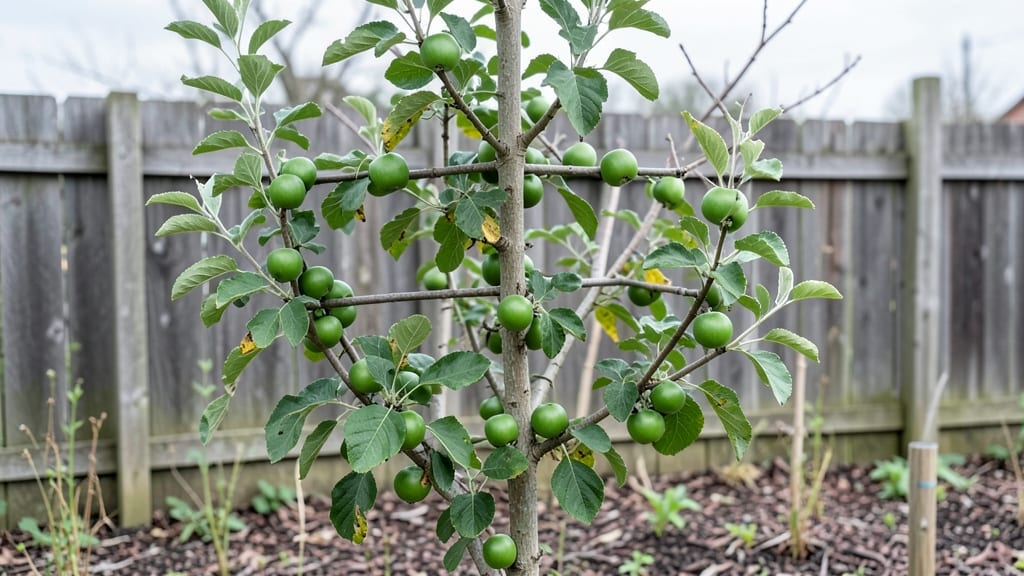
A cordon apple tree turns your tiny backyard or balcony into a fruit factory without the space of a full-sized tree. I planted mine last spring in a 5-gallon container, and now it’s loaded with apples—no ladder required.
The secret? Training the tree to grow flat against a fence or trellis, so every branch gets sunlight and you get easy access to harvest.
You’ll need a dwarf rootstock (like M9) for compact growth and a variety that thrives in your climate—think ‘Columnar Delicious’ or ‘Urban Apple.’ Plant in well-draining soil with morning sun, and space cords at least 3 feet apart if growing multiple trees for pollination.
The pruning is where the magic happens: shape it like a ladder with horizontal branches spaced 6–12 inches apart.
By summer, you’ll be harvesting crisp, flavorful apples straight off the branches—no orchard needed. The tree stays small, produces reliably, and even handles container life. Just watch for codling moths and keep the soil moist but not soggy.
Imagine plucking fruit year after year without the mess of a traditional tree.
Works in urban yards, courtyard gardens, or even large pots. Once you’ve mastered the pruning rhythm, you’ll wonder why you ever grew anything else. Let’s get that cordon growing!
📚 In This Guide
- What you need
- Instructions
- Tips and common mistakes
- Wrapping up and next steps
What you need
- ● Apple Tree Cordon Plant: Choose a dwarf rootstock variety (e.g., M9 or MM106) for compact growth. Opt for a pre-trained cordon (3-4 ft tall) or a bare-root whip (1-2 ft) to train yourself.
- ● Support Structure: Trellis or Wire Frame: Use 12-14 gauge galvanized wire (3-4 ft tall) or a pre-made fruit cordon trellis (available at garden centers).
- ● Posts: 4-6 ft wooden or metal stakes (2x4s or T-posts) for stability.
- ● Pruning Tools: Pruning Shears: Bypass pruners (sharp, 6-8 inch blades) for clean cuts.
- ● Loppers: For thicker branches (if needed for initial setup).
- ○ Hand Saw: Pruning saw (for stubborn branches, optional but handy).
- ● Planting Supplies: Garden Soil or Potting Mix: Well-draining, loamy soil (amend with compost if needed).
- ● Organic Fertilizer: Balanced 10-10-10 or composted manure (follow package rates).
- ● Mulch: Wood chips or straw (2-3 inches deep) to retain moisture.
- ● Tree Tie or Soft Ropes: Jute or plastic tree ties (to secure branches to the trellis without damaging bark).
- ● Drip Irrigation System: Soaker hose or micro-sprinkler for consistent watering.
- ● Fruit Thinning Scissors: Small, sharp scissors (to remove excess fruit in summer).
- ● Pest Control: Neem Oil or Horticultural Spray (for aphids or mites).
- ● Bird Netting (to protect fruit from birds).
- ● Garden Journal: Notebook or app (to track pruning dates, growth, and harvest notes!).
Step-by-step guide to planting and training an apple tree cordon
Here's how to create a space-saving, high-yield apple tree that fits even the smallest garden.
Select and Prepare Your Apple Tree Whip
Start with a 1-year-old apple tree whip—a bare-root or container-grown young tree with a single, straight stem. Look for a variety suited to your climate, like 'Dorsett Golden' for cold regions or 'Liberty' for disease resistance. If using bare-root, soak the roots in lukewarm water for 2-4 hours before planting to rehydrate them. For container-grown whips, gently remove the plant from its pot and loosen the root ball to encourage new growth.
Choose a location with full sun exposure—at least 6-8 hours of direct sunlight daily. The spot should also have well-draining soil to prevent root rot. If your soil is heavy clay, amend it with 2-3 inches of compost mixed into the top 12 inches of soil. Avoid low-lying areas where water pools after rain.
Plant the Whip at the Correct Depth and Angle
Dig a hole twice as wide as the root ball but only as deep as the container or bare-root spread. Position the whip so the graft union (the bulging area near the base of the stem) sits 2-3 inches above the finished soil line. This prevents the graft from being buried, which can cause the tree to revert to a weaker rootstock.
Place the tree in the hole and backfill with soil, pressing gently to remove air pockets. Water deeply until the soil is evenly moist to a depth of 12 inches. The goal is to eliminate air gaps around the roots while avoiding compaction. If planting in late winter or early spring, apply a 2-3 inch layer of mulch around the base, keeping it 6 inches away from the trunk to prevent rot.
Train the Main Stem to Form the Cordon Structure
Once the whip is planted, select the strongest, straightest branch to serve as your main cordon. Use soft ties (like horticultural tape or rubber bands) to secure the branch at a 45-degree angle to a sturdy stake or trellis wire. This angle encourages upward growth while preventing the stem from bending under fruit weight later. Leave the top of the whip 12-18 inches above the tie to allow for future growth.
Remove any competing branches or suckers that emerge from the base or along the stem. These divert energy from the main cordon. Prune with clean, sharp shears, making cuts just above a bud or outward-facing leaf. Avoid leaving stubs, as they invite disease. After pruning, water the tree to stress-free recovery and apply a balanced fertilizer (like 10-10-10) to encourage strong root and stem development.
Develop the Horizontal Branches for Fruit Production
In the second or third year, once the main stem reaches the desired height (6-8 feet), begin training horizontal branches. Select 3-4 strong lateral buds spaced 12-18 inches apart along the stem. Bend these branches outward at a 90-degree angle to the main stem and secure them with soft ties to horizontal wires or a trellis. These branches will become your fruiting spurs.
Prune the tips of these new branches to encourage bushier growth. Aim for a final cordon length of 6-8 feet, with 4-6 horizontal fruiting arms. Each arm should have 3-5 buds that will develop into fruit-bearing spurs. Thin out any branches that grow inward or cross each other, as these create poor airflow and increase disease risk. After pruning, apply a fruit tree spray (like copper fungicide) to protect young growth.
Maintain and Harvest for Maximum Yield
Throughout the growing season, water deeply once a week (or more in extreme heat) to keep the soil evenly moist but not soggy. Apple trees need consistent moisture, especially during fruit development. Fertilize in early spring with a low-nitrogen, high-potassium blend (like 5-10-10) to support flowering and fruiting. Avoid high-nitrogen fertilizers, which promote leafy growth at the expense of fruit.
Harvest apples when they easily detach from the tree with a gentle twist and have reached their variety’s full color. For most varieties, this occurs in late summer to early fall. Prune annually to remove dead or diseased wood, thin out overcrowded branches, and maintain the cordon’s shape. In late winter, before buds swell, apply dormant oil spray to control overwintering pests. With proper care, your cordon will produce abundant fruit for decades in a fraction of the space of a standard tree.
Tips & tricks for perfect apple tree cordon training
Creating a thriving apple tree cordon takes patience and precision—here are the secrets to setting yours up for long-term success.
The Graft Union Matters: When planting your 1-year-old apple tree whip, pay special attention to the graft union—the bulging area near the base. Positioning it 2-3 inches above the soil line is critical. This prevents the tree from reverting to its weaker rootstock, which can happen if buried too deeply. I've seen many gardeners overlook this detail, only to struggle with weak growth later.
Sunlight and Soil Are Non-Negotiable: Your cordon needs at least 6-8 hours of direct sunlight daily—no compromises here. If your garden gets less, supplement with a grow light during cloudy periods. For soil, focus on drainage: heavy clay? Amend with 2-3 inches of compost mixed into the top 12 inches. Poor drainage is the number one reason cordon trees fail to thrive.
Pruning Precision Prevents Problems: When training your main stem in Step 3, always make cuts just above a bud or outward-facing leaf. This encourages new growth in the right direction. I learned this the hard way—cutting too close to a bud can leave a stub that invites disease. Also, remove any competing branches or suckers immediately; they steal energy from your main cordon structure.
Watering Wisdom: Deep watering once a week is ideal, but adjust for your climate. In extreme heat, you might need to water twice weekly. The key is keeping soil evenly moist to a depth of 12 inches—not soggy, not bone dry. I use a soil moisture meter to check, especially during fruit development when consistent moisture is crucial for quality.
Pro Tips for Apple Tree Cordon
- Creating a thriving apple tree cordon takes patience and precision—here are the secrets to setting yours up for long-term success.
- The Graft Union Matters: When planting your 1-year-old apple tree whip, pay special attention to the graft union—the bulging area near the base.
- Sunlight and Soil Are Non-Negotiable: Your cordon needs at least 6-8 hours of direct sunlight daily—no compromises here.
Frequently asked questions
Got questions about growing an apple tree cordon? You’re not alone! Here are answers to the most common queries to help you succeed with this space-saving fruit powerhouse.
What’s the best time of year to prune an apple tree cordon?
Prune your cordon in late winter or early spring (before buds swell) for best results. Avoid heavy pruning in fall—it can leave cuts vulnerable to disease. Light maintenance trimming (removing dead or crossing branches) can happen year-round, but major shaping should wait for dormancy.
How long does it take for an apple tree cordon to bear fruit?
With proper care, a cordon can produce fruit in 2–4 years. Patience is key! Young trees focus on root and branch growth first. Choose dwarf or semi-dwarf varieties (like ‘Columnar’ or ‘Espalier’) for faster fruiting. Pollination from another apple variety may be needed unless you pick a self-pollinating type.
Can I grow an apple tree cordon in a container?
Cordon apples thrive in large containers (15+ gallons) with drainage holes. Use a well-draining potting mix and repot every 2–3 years. Place the container in full sun (6+ hours daily) and water consistently—containers dry out faster than ground soil. Just ensure the pot is stable (they can get top-heavy with fruit!).
What pests or diseases should I watch for on my cordon?
Common issues include:
- Apple scab (fuzzy spots on leaves/fruit): Use fungicide sprays in spring.
- Codling moths (worms in apples): Apply organic sprays or pheromone traps.
- Aphids (sticky residue): Blast off with water or use neem oil.
- Fire blight (blackened branches): Prune infected areas 6 inches below the damage and sterilize tools.
How do I maximize fruit production on a cordon?
Follow these tips for a bountiful harvest:
- Thin fruit when small (leave 4–6 inches between apples) to avoid overcrowding.
- Fertilize in early spring with a balanced fruit-tree formula.
- Ensure cross-pollination if your variety isn’t self-pollinating.
- Water deeply 1–2 times per week (more in extreme heat).
Wrapping up and next steps
Growing an apple tree cordon is a rewarding way to enjoy fresh, homegrown fruit without sacrificing space—perfect for urban gardens, patios, or small backyards! 🌱 With the right techniques, patience, and care, you’ll soon be harvesting delicious apples year after year.
Whether you’re a beginner or a seasoned gardener, this compact method proves that big flavors can come in small packages.
Ready to take the next step? Start with a healthy young tree, gather your tools, and follow the pruning and training tips shared here. Before you know it, you’ll be savoring sweet, sun-ripened apples straight from your own tiny orchard! 🍏✨