Diseases
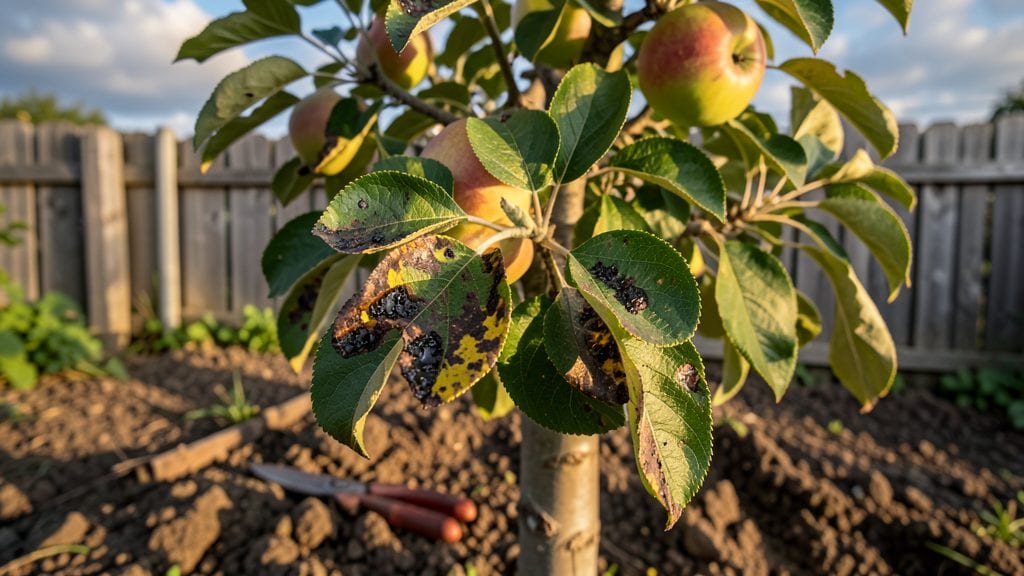
These apple tree diseases photos will show you how fire blight turns a thriving orchard into a blackened mess in weeks—and apple scab ruins leaves into useless, puckered scraps. The key is learning what to look for before the damage spreads.
This guide shows you exactly what each disease looks like—from the velvety black spots of apple scab to the oozing cankers of fire blight—so you can act fast. No more guessing whether those brown patches are just age or a fungal infection.
We’ll cover the most common issues, how they spread, and what to spray or prune to stop them.
You’ll recognize the first signs in your own yard and know whether to grab fungicide or just clean up fallen leaves. The right treatment at the right time means next year’s apples stay crisp, sweet, and blemish-free. Let’s get started with the visual clues you need.
Works for backyard trees, orchards, or even container-grown apples—just match the symptoms to the photos and follow the simple steps. No more losing trees to preventable diseases.
Root Causes of Apple Tree Illnesses
Apple trees, like any living organism, are vulnerable to diseases—but understanding why these issues arise is the first step to prevention and treatment. Fungal, bacterial, and environmental stressors often work together to create the perfect storm for disease.
Below, we break down the key factors that turn a healthy apple tree into one plagued by unsightly (and sometimes deadly) conditions.
Most apple tree diseases are caused by fungi, which thrive in moist, warm conditions. These microscopic organisms release spores that infect leaves, fruit, and bark. Here’s how they exploit your tree:
- 🌧️ Overhead Watering & High Humidity Fungi like Venturia inaequalis (apple scab) and Podosphaera leucotricha (powdery mildew) need free moisture to germinate. Splashing water from rain or overhead irrigation spreads spores onto leaves and fruit, creating ideal infection sites.
- 🍎 Poor Air Circulation Dense foliage or crowded trees trap humidity, giving fungi a foothold. Diseases like Botryosphaeria (dieback) spread faster in shaded, low-light areas where air doesn’t flow.
- 🌱 Weakened Tree Defenses Stress from nutrient deficiencies, drought, or physical damage lowers a tree’s resistance. Fungi capitalize on this by attacking weakened tissues first.
Diseases don’t just appear—they’re often triggered by environmental conditions that stress the tree. Here’s how climate and care mistakes fuel outbreaks:
- 🌡️ Temperature Swings Rapid shifts between hot days and cool nights (common in spring) create condensation on leaves, perfect for fungal spores. Apple scab, for example, thrives in temps between 50–70°F (10–21°C) with leaf wetness.
- 💧 Waterlogged Soil Roots suffocate in poorly drained soil, leading to root rot (e.g., Phytophthora) and systemic infections. Overwatering or heavy clay soil are major culprits.
- 🪓 Physical Damage Pruning wounds, hail, or animal bites create entry points for bacteria (like Erwinia amylovora, which causes fire blight) and fungi. Always use sterilized tools and seal cuts with pruning paint.
Some diseases are primary, while others hitch a ride with pests or other pathogens. Here’s how they team up:
- 🐜 Sap-Sucking Insects Aphids, mites, and scale insects weaken leaves by feeding on sap, making them susceptible to sooty mold (a black fungal growth) and viruses.
- 🍂 Debris & Old Fruit Leftover mummified apples or fallen leaves harbor overwintering spores. Fungi like apple scab can survive for years in organic matter, reinfecting the tree annually.
- 🌿 Contaminated Tools & Grafts Sharing pruners between infected and healthy trees spreads diseases like canker. Always sterilize tools with rubbing alcohol between cuts.
By addressing these root causes—fungal biology, environmental stress, and pest interactions—you can disrupt the cycle before diseases even take hold. Next, we’ll dive into how to identify and treat these issues using photos and actionable steps.
Fixing Apple Tree Fungal Woes
When fungal diseases strike your apple trees, acting fast is key—but don’t panic! 🌱 With the right tools and techniques, you can restore your tree’s health and prevent future outbreaks. Below, we’ve mapped out practical solutions for each common disease, along with prevention tips to keep your orchard thriving.
Apple scab thrives in wet conditions, leaving your leaves and fruit covered in dark, velvety spots. Here’s how to tackle it:
🔥 Immediate Treatment Steps
- 🍳 Prune Infected Branches – Remove and destroy (don’t compost!) severely affected leaves and fruit.
Use sterilized pruners to avoid spreading spores. - 👨🍳 Apply Fungicide – Use a copper-based fungicide (like copper sulfate) or a biological option (e.g., Streptomyces lydicus) every 7–10 days during wet seasons. - 🥘 Thin the Canopy – Improve airflow by pruning dense branches. Less humidity = fewer spores.
💡 Prevention Tips for Next Year
- 🌡️ Plant Resistant Varieties – Choose scab-resistant apple cultivars like Liberty or Enterprise.
- ✨ Mulch Strategically – Use straw or wood chips (not grass clippings) to reduce soil moisture around the base.
- 🎯 Early Spring Spray – Apply a preventative fungicide before buds swell (dormant season) to create a protective barrier.
This fungal film looks like flour dust on leaves, stunting growth and reducing fruit quality. Here’s how to clean it up:
🔥 Immediate Treatment Steps
- 🍳 Blast Off the Fungus – Use a hose with strong water pressure to remove mildew from leaves (do this in the morning so foliage dries quickly).
- 👨🍳 Spray with Baking Soda Mix – Combine 1 tbsp baking soda + 1 tsp dish soap + 1 gallon water.
Spray undersides of leaves (where spores hide) every 7–10 days. - 🥘 Introduce Beneficial Fungi – Apply neem oil or potassium bicarbonate for a natural fungicidal boost.
💡 Prevention Tips for Next Year
- 🌡️ Space Trees Properly – Ensure 6–8 feet between trees for better airflow.
- ✨ Avoid Overhead Watering – Water at the base of the tree in the early morning to keep leaves dry.
- 🎯 Use Reflective Mulch – White plastic mulch can reduce mildew by reflecting sunlight and heat.
Black rot causes corky, circular spots on leaves and fruit, leading to premature drop. Act fast to save your harvest!
🔥 Immediate Treatment Steps
- 🍳 Remove All Infected Fruit/Leaves – Burn or bag (double-bag!) infected material to prevent spore spread.
- 👨🍳 Apply Sulfur or Captan Fungicide – Spray every 10–14 days starting at petal fall (when flowers drop).
- 🥘 Boost Tree Health – Fertilize with balanced NPK (10-10-10) to strengthen the tree’s defenses.
💡 Prevention Tips for Next Year
- 🌡️ Plant in Full Sun – Black rot thrives in shady, damp conditions.
Ensure your tree gets 6+ hours of sunlight daily. - ✨ Clean Up Debris – Rake and remove all fallen leaves and mummies (dried infected fruit) in autumn. - 🎯 Rotate Fungicides – Avoid using the same fungicide yearly to prevent resistance.
Fire blight mimics fungal diseases but is bacterial—it spreads quickly and can kill branches overnight. Act immediately!
🔥 Emergency Treatment Steps
- 🔪 Prune Infected Areas Aggressively – Cut 6–12 inches below the blackened tissue (use sterilized tools between cuts).
- 👨🍳 Apply Antibacterial Spray – Use copper fungicide or streptomycin (follow label instructions carefully).
- 🥘 Disinfect Tools & Wounds – Wipe pruners with rubbing alcohol between cuts and seal pruning wounds with pruning paint.
💡 Prevention Tips for Next Year
- 🌡️ Avoid Over-Fertilizing with Nitrogen – Too much N weakens trees and invites bacterial attacks.
- ✨ Plant Resistant Rootstocks – Varieties like Liberty or Enterprise are fire blight-resistant.
- 🎯 Monitor for Early Signs – Check for shepherd’s crook (bent branches) and oozing sap in spring.
With these targeted fixes, your apple tree can bounce back—but prevention is your best defense. Stay vigilant, keep your orchard clean, and your trees will reward you with plump, disease-free fruit for years to come! 🍏🌿
Frequently asked questions about apple tree diseases
How can I tell if my apple tree has a fungal disease just by looking at the leaves?
Look for distinct patterns: apple scab shows olive-green or black velvety spots on upper leaf surfaces, while powdery mildew appears as white, powdery patches on both sides. Black rot creates corky, circular spots with dark margins. Compare your symptoms to our photo guide to identify which disease is affecting your tree.
What’s the best time of year to treat apple tree diseases?
Start treatments in early spring before buds swell (dormant season) to prevent fungal spores from infecting new growth. For established infections, apply fungicides during wet periods (like spring rains) or when you first spot symptoms. Fall cleanup (removing fallen leaves) is also critical to stop overwintering spores.
Can I use home remedies like baking soda or neem oil to treat apple tree diseases?
Yes! A baking soda mix (1 tbsp baking soda + 1 tsp dish soap + 1 gallon water) works well for powdery mildew, while neem oil helps control fungal spores like apple scab. For bacterial diseases (e.g., fire blight), use copper-based sprays instead. Always test remedies on a small area first.
Why do some apple trees get diseases while others in the same orchard stay healthy?
Healthy trees resist diseases better due to genetics, proper spacing, and good airflow. Weakened trees (from poor soil, overwatering, or nutrient deficiencies) are more vulnerable. Even small differences in sun exposure or pruning practices can create disease hotspots. Rotate fungicides and maintain consistent care to level the playing field.
How do I know if my apple tree’s problem is a disease or just normal seasonal stress?
Diseases show distinct symptoms like spots, ooze, or wilting, while stress causes general yellowing (chlorosis), leaf drop, or stunted growth. Check for pests (aphids, mites) or environmental factors (drought, extreme heat). If symptoms match our disease photos, it’s likely a fungal or bacterial infection needing treatment.