
Fertilization
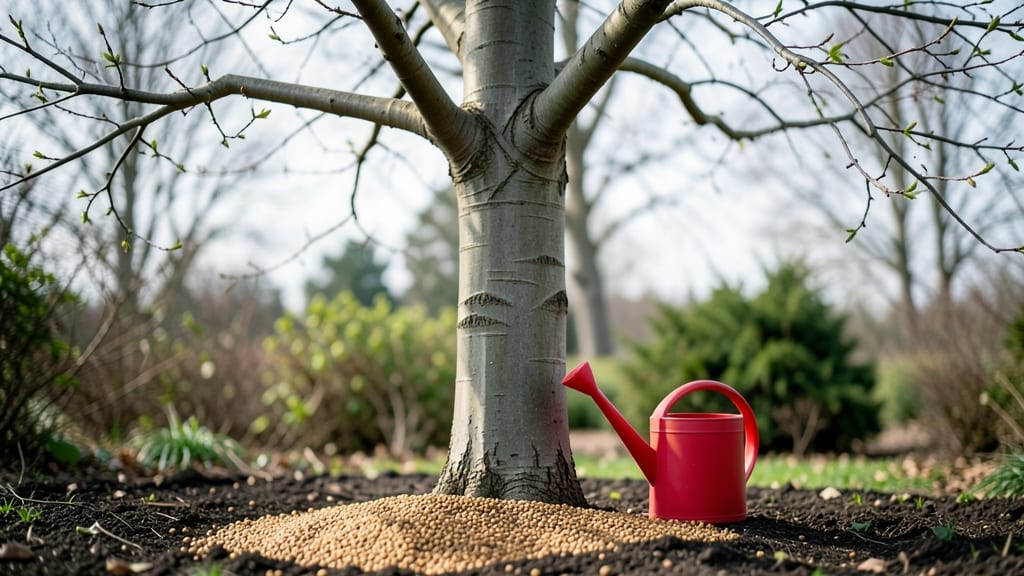
Choosing the right ash tree fertilizer ensures your tree thrives, transforming a weak canopy into a lush, healthy one with the proper nutrients.
Your ash tree’s vibrant green leaves might look healthy, but hidden beneath could be a nutrient deficiency—yet overdoing it risks root burn and long-term damage. The key is timing, type, and technique, and I’ll walk you through every step to keep your tree strong without harming it.
Ash trees need a balanced mix of nitrogen, phosphorus, and potassium, but too much too soon can do more harm than good. In USDA Zone 6a, early spring is the best time to feed them, but fall applications can backfire.
I’ll break down the best organic and synthetic options, how to apply them safely, and what to watch for if you’ve gone overboard.
Discover how to test your soil, choose the right fertilizer, and apply it the way pros do—so your ash tree grows taller, healthier, and without the guesswork.

Best fertilizers for ash trees: organic vs synthetic options for optimal growth
Ash trees thrive with the right nutrients, but their nitrogen-heavy needs demand careful fertilizer selection. Synthetic options deliver quick results, while organic choices build soil health long-term. Micronutrients like iron and zinc are critical for preventing yellowing leaves, and slow-release formulas prevent overfeeding.
Let’s break down the best options tailored to your ash tree’s growth stage and soil conditions.
Your ash tree’s nutrient needs shift with the seasons. In early spring, focus on high-nitrogen fertilizers to fuel new leaf growth, while fall applications should prioritize phosphorus for root strengthening.
Synthetic fertilizers like 10-10-10 NPK provide balanced nutrition, but organic alternatives such as composted manure or fish emulsion improve soil structure over time. Always match your choice to your tree’s current health and local climate.
Ash trees respond poorly to over-fertilization, which can cause root burn and leaf scorch. Slow-release fertilizers, like coated urea or organic granular blends, minimize this risk by delivering nutrients gradually.
For young trees, half-strength applications every 6-8 weeks in spring and summer work best, while mature trees can handle full-strength doses annually. Test your soil first—ash trees prefer slightly acidic to neutral pH (6.0-7.5).
Here’s a quick comparison of top organic vs. synthetic fertilizers for ash trees, including nutrient profiles and application tips:
| Type | N-P-K Ratio | Key Nutrients | Best For | Application Rate | Season |
|---|---|---|---|---|---|
| Synthetic (Granular) | 10-10-10 | Nitrogen, Phosphorus, Potassium | Quick growth, established trees | ½ cup per 10 sq ft | Spring/Summer |
| Organic (Composted Manure) | Varies (2-4-1) | Nitrogen, Micronutrients | Soil health, young trees | 1-2 inch layer | Fall/Spring |
| Slow-Release (Coated Urea) | 34-0-0 | Nitrogen (controlled) | Preventing overfeeding | 1 lb per 100 sq ft | Early Spring |
| Micronutrient Blend (Iron Chelate) | 0-0-0 (Trace) | Iron, Zinc, Manganese | Yellowing leaves | Foliar spray | Spring/Fall |
| Fish Emulsion (Liquid) | 5-1-1 | Nitrogen, Organic Matter | Fast nutrient uptake | 1 tbsp per gallon | Spring/Summer |
For young ash trees, prioritize organic options like composted manure or worm castings to build a nutrient-rich foundation. These improve soil microbiology and water retention, reducing the risk of nutrient deficiencies later. Spread a 1-2 inch layer around the <
When and how to apply ash tree fertilizer: seasonal schedule to maximize uptake
Timing your ash tree’s fertilizer applications is critical—too early or late can waste nutrients, while over-application risks root burn and stunted growth. Ash trees thrive with seasonal feeding, but their nutrient needs shift dramatically between spring growth and fall dormancy.
The key is aligning fertilization with your tree’s natural cycles to ensure maximum uptake without stress.
Before reaching for the fertilizer, test your soil’s pH and nutrient levels. Ash trees prefer a slightly acidic to neutral pH (6.0–7.0), but many garden soils lack essential micronutrients like magnesium or zinc.
A simple DIY soil test (or lab analysis) reveals deficiencies, helping you choose the right fertilizer blend. For example, if your soil tests low in potassium, opt for a balanced 10-10-10 or organic compost to restore equilibrium.
- Spring (March–April): Apply slow-release granular or liquid fertilizer when buds swell. Use 1/2 cup per 10 sq ft of 10-10-10 NPK to fuel new leaf growth.
- Summer (June–July): Skip heavy feeding. Instead, use a light organic top-dressing (like compost) to replenish nutrients lost to heat stress. Avoid high-nitrogen fertilizers, which promote leafy growth over root development.
- Fall (September–October): Do not fertilize. Trees prepare for dormancy, and new growth can’t harden off before frost. Focus on mulching to insulate roots and retain moisture.
- Winter (November–February): Let the tree rest. Fertilizing during dormancy forces weak, frost-sensitive growth. Use this time to prune dead branches and plan next year’s nutrient strategy.
For young ash trees (under 5 years old), split applications into two doses: half in early spring and half in late summer. Mature trees benefit from a single spring feeding followed by a light summer top-dressing of compost.
Always water the soil deeply 24 hours before and after applying fertilizer to activate nutrients and prevent salt buildup near roots.
If you’re using liquid fertilizer, dilute it to half-strength and apply it to the drip line (the edge of the tree’s canopy) to target root zones.
For granular fertilizer, spread it evenly in a 6-inch-wide band around the tree’s perimeter, then water thoroughly. Slow-release pellets are ideal for busy gardeners—they feed your tree gradually over 3–6 months, reducing the risk of nutrient spikes.
Watch for signs of over-fertilization, like yellowing leaves or leaf scorch, which indicate salt damage. If you suspect overfeeding, flush the soil with water 3–4 times over a week to leach excess salts.
Always err on the side of less fertilizer—ash trees are resilient but prefer steady, balanced nutrition over quick fixes.
Pro tip: Pair fertilization with mulching (2–4 inches of organic mulch) to retain moisture and regulate soil temperature. This simple step boosts nutrient absorption by 20–30% while protecting roots from extreme temps.
With the right timing and technique, your ash tree will reward you with lush foliage and vigorous growth for decades.