
Diseases
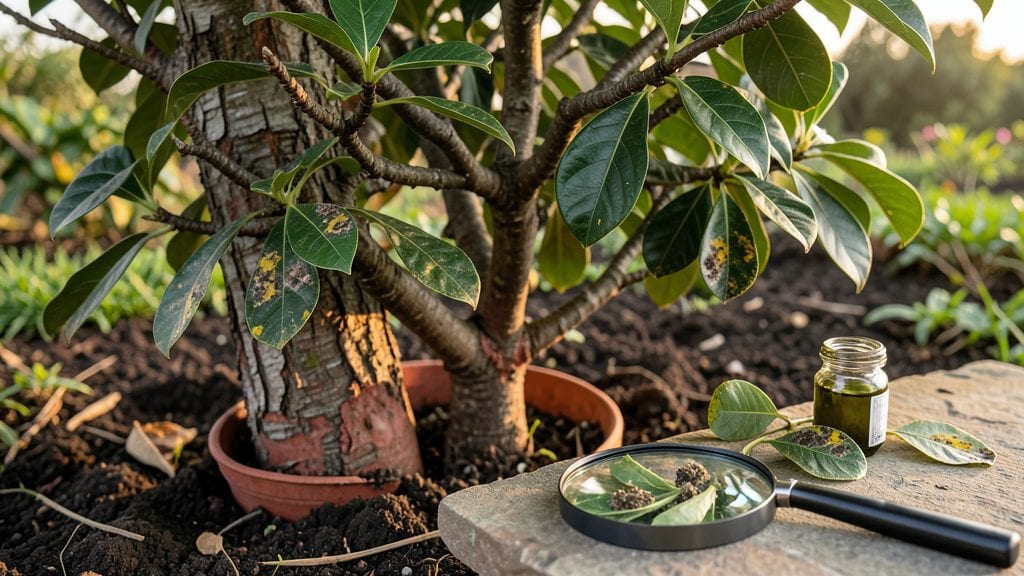
Spotting avocado tree diseases early can save your tree from irreversible damage. 🌱 I’ve seen healthy trees turn into sad, drooping shadows in just weeks—until I learned to recognize the subtle signs that most gardeners miss.
The key is knowing what to look for: brown spots on leaves, soft stems, or sudden leaf drop that isn’t seasonal.
These problems usually start with poor drainage, overwatering, or fungal spores hiding in the soil. My first avocado tree nearly died from root rot because I assumed it needed daily watering—until I realized it was drowning.
The good news? Most issues respond to simple fixes like adjusting watering, improving airflow, or applying organic sprays that don’t harm the fruit.
You’ll learn to diagnose each disease by its symptoms and stop it before it spreads. Think of it like catching a cold early—treat it right, and your tree stays strong.
We’ll cover the most common threats, what they look like, and how to treat them without harsh chemicals that could end up on your table.
Whether you’re growing Hass avocados in California or Fuerte trees in Florida, these solutions work. The secret is acting fast—before the tree’s health takes a permanent hit. Let’s get your avocado tree back to thriving in no time.
Root Causes Behind Avocado Tree Ailments
Avocado trees, like any other plant, are susceptible to diseases due to a mix of environmental stress, microbial invaders, and poor growing conditions. Understanding why these issues arise helps you take proactive steps to protect your tree.
Below, we break down the key factors that trigger avocado tree diseases, from fungal infections to nutrient deficiencies.
Fungi thrive in warm, humid conditions—perfect for avocado trees in tropical and subtropical climates. These microscopic organisms latch onto weak spots in your tree’s bark, roots, or leaves, leading to diseases like root rot, anthracnose, or powdery mildew.
- Overwatering or Poor Drainage 💦 Fungi like Phytophthora (a water mold) love soggy soil. When roots sit in waterlogged conditions, they suffocate, creating entry points for fungal spores. Actionable fix: Ensure your avocado tree is planted in well-draining soil with a slight slope to prevent water pooling.
- High Humidity & Lack of Airflow 🌫️ Dense foliage or crowded plantings trap moisture, giving fungi like Colletotrichum (anthracnose) the perfect breeding ground. Actionable fix: Prune your tree to improve airflow and avoid overhead watering, which can splash spores onto leaves.
- Weakened Tree Defense 🛡️ Stress from drought, poor nutrition, or physical damage (like pruning wounds) lowers a tree’s resistance. Fungi exploit these vulnerabilities. Actionable fix: Keep your tree healthy with balanced fertilization and avoid aggressive pruning during peak fungal activity seasons.
Pests like avocado lace bugs, mites, or scale insects don’t just sap nutrients—they create wounds that invite secondary infections. For example, lace bugs feed on sap, weakening leaves and making them susceptible to fungal or bacterial diseases.
- Sap-Sucking Insects 🐜 These pests inject toxins while feeding, causing leaf discoloration and stunted growth. The resulting stress opens doors for pathogens. Actionable fix: Monitor your tree regularly and use neem oil or horticultural oil to smother pests before they cause damage.
- Root-Knot Nematodes 🐛 These microscopic worms burrow into roots, disrupting water and nutrient uptake. A weakened root system struggles to fight off fungal infections like Verticillium wilt. Actionable fix: Test your soil for nematodes and rotate crops if possible (though avocados are perennial, so focus on organic nematicides like Bacillus firmus).
Avocado trees are sensitive to extreme temperatures, poor soil health, and improper care. These stressors don’t directly cause diseases but weaken the tree’s immunity, making it an easy target.
- Temperature Fluctuations ❄️☀️ Sudden cold snaps or heatwaves shock the tree, leading to sunburn, frost damage, or nutrient deficiencies. Weakened branches are more prone to fungal infections. Actionable fix: Plant avocados in microclimates where they’re shielded from harsh winds and provide shade cloth in extreme heat.
- Nutrient Deficiencies 🌱💀 Lack of key nutrients (like zinc, manganese, or potassium) causes yellowing leaves, stunted growth, and poor disease resistance. For example, zinc deficiency leads to little leaf syndrome, making trees vulnerable to bacterial infections. Actionable fix: Conduct a soil test and amend with organic matter like compost or worm castings.
- Improper Pruning or Wounding ⚠️ Rough cuts or pruning during wet seasons leave open wounds that harbor pathogens. Actionable fix: Prune during dry periods, sterilize tools with rubbing alcohol, and seal cuts with pruning sealant (like tree wound dressing).
Even the best-intentioned care can backfire if soil chemistry is off. Avocado trees prefer slightly acidic to neutral soil (pH 6.0–7.5) and hate salt buildup or alkaline conditions.
- Alkaline Soil (High pH) 🧪 In alkaline conditions, essential nutrients like iron and manganese become unavailable, leading to chlorosis (yellowing leaves). Weakened trees are more susceptible to fungal diseases. Actionable fix: Lower pH with elemental sulfur or peat moss and avoid lime amendments.
- Salt Buildup from Irrigation 💧 Over-fertilization or poor-quality water (high in sodium) can cause salt stress, burning roots and leaves. This stress invites pathogens like Fusarium. Actionable fix: Use rainwater or filtered water and flush soil annually with fresh water to leach out excess salts.
Diseases spread quickly when tools, soil, or even nearby plants harbor pathogens. For instance, bacterial leaf scorch can spread via pruners if not cleaned between cuts.
- Unsterilized Pruning Tools ⚔️ Bacteria and fungi cling to blades, transferring from infected to healthy trees. Actionable fix: Always sterilize tools with 70% isopropyl alcohol or a bleach solution (1 part bleach to 9 parts water) before and after use.
- Infected Mulch or Compost** 🌿 Using untreated mulch from diseased plants can introduce pathogens like Armillaria root rot. Actionable fix: Source mulch from reputable suppliers and avoid composting diseased plant material.
By addressing these underlying causes—whether it’s fungal overgrowth, pest pressure, or environmental stress—you’ll give your avocado tree the best chance to stay healthy and resilient. Prevention is key! Regular inspections and proactive care go a long way in keeping diseases at bay.
Quick Fixes for Common Avocado Tree Ailments
Avocado trees are resilient, but when diseases strike, acting fast can mean the difference between a thriving harvest and a sad, wilted loss. Below, we’ve mapped out practical, organic solutions for the most common avocado tree diseases—plus prevention tips to keep your tree healthy long-term.
Signs: Yellowing leaves, soft stems, foul-smelling soil, and roots that look mushy or black.
Step-by-Step Fix:
- 🔥 Stop Watering Immediately
- Let the soil dry out completely before watering again. Overwatering is the #1 killer of avocado trees.
- 🍳 Improve Drainage
- Dig a 6-inch deep trench around the base of the tree (but not too close to the trunk) to encourage water runoff.
- Mix sand or perlite into the top 12 inches of soil to improve aeration.
- 👨🍳 Repot or Raise the Tree (If in a Container)
- If your avocado is potted, repot it in fresh, well-draining cactus/succulent mix.
- For in-ground trees, mound gravel or decomposed granite around the base to lift roots slightly.
- ⏰ Monitor and Adjust
- Water only when the top 2 inches of soil are bone-dry (stick your finger in to check!).
- Consider a drip irrigation system to avoid overhead watering.
💡 Pro Tip: If the roots are severely rotted, prune away the black/mushy sections with sterilized shears and apply copper fungicide (like Copper Soap) to prevent spread.
Signs: Dark spots on leaves/fruit, white powdery coatings, or leaf drop.
Step-by-Step Fix:
- 🔪 Prune Infected Areas
- Remove all infected leaves, fruit, and branches (even if they’re just suspicious). Do not compost them—dispose of them in a sealed bag.
- 🌡️ Boost Airflow
- Thin out dense foliage to reduce humidity near the tree. Aim for good spacing between branches.
- ✨ Organic Fungicide Spray
- Mix a baking soda spray (1 tsp baking soda + 1 quart water + a drop of dish soap) and apply every 7–10 days until the issue clears.
- For stubborn cases, use neem oil (1 tbsp per quart of water + a drop of soap) as a preventative spray (reapply every 2 weeks).
- 🎯 Prevent Future Outbreaks
- Water in the early morning (not at night) to allow leaves to dry.
- Apply a 2-inch layer of mulch (straw or wood chips) around the base to discourage fungal spores.
Signs: Sticky residue (honeydew), tiny webs, or clusters of white/cottony bugs on stems.
Step-by-Step Fix:
- 🧼 Blast Off Pests
- Spray the tree with soapy water (1 tsp mild dish soap per quart of water) to smother adults and eggs.
- For mealybugs, dab them with a cotton swab dipped in rubbing alcohol.
- 🕷️ Use Beneficial Insects
- Release ladybugs or lacewings (available at garden centers) to eat mites and aphids naturally.
- 🪰 Set Up Traps
- Place yellow sticky traps near the tree to catch flying pests like whiteflies.
- 🌿 Strengthen the Tree
- Feed with fish emulsion or compost tea to boost natural defenses.
- Avoid over-fertilizing with nitrogen—it attracts soft-bodied pests.
Signs: Yellowing between leaf veins (iron/chlorosis), stunted growth, or purple stems (phosphorus).
Step-by-Step Fix:
- 📊 Get a Soil Test
- Send a sample to a local extension office to check for pH imbalances or missing nutrients.
- 💪 Organic Fertilizer Boost
- For iron/chlorosis: Apply chelated iron or Epsom salt (1 tbsp per gallon of water, foliar spray).
- For nitrogen: Use compost or worm castings (avoid synthetic fertilizers—they burn roots).
- For potassium/magnesium: Mix greensand or dolomite lime into the soil.
- 🍎 Adjust pH if Needed
- Avocados prefer slightly acidic soil (6.0–6.5). If too alkaline, add sulfur or peat moss.
Signs: Brown, crispy patches on leaves/fruit, or wilting despite moist soil.
Step-by-Step Fix:
- 🌳 Provide Temporary Shade
- Use shade cloth (30–50%) on the west side (where afternoon sun is harshest).
- Plant fast-growing vines (like morning glories) near the tree for natural shade.
- 🌿 Mulch Thickly
- Apply a 4-inch layer of mulch (straw or wood chips) to retain moisture and cool roots.
- 💦 Deep Watering
- Water deeply 2–3 times per week (not daily shallow watering) to encourage deep root growth.
- 🎯 Prevent Future Damage
- Avoid pruning in summer—wait until fall or winter to reduce stress.
- Mist leaves on extremely hot days to prevent sunburn.
✅ Inspect trees weekly for early signs of disease/pests. ✅ Clean up fallen leaves/fruit to remove breeding grounds. ✅ Rotate organic sprays (neem, copper, baking soda) to prevent resistance. ✅ Avoid overhead watering—use drip irrigation instead. ✅ Prune for airflow—thin out crowded branches.
Remember: Most avocado tree diseases are preventable with good care. Once you spot a problem, act fast—but don’t panic! With these organic fixes, your tree can bounce back stronger than ever. 🌿💚
Frequently asked questions
What are the first signs my avocado tree might have a disease?
Watch for unusual leaf spots (dark or yellow patches), leaf drop outside normal seasonal patterns, or soft, mushy stems. Early symptoms often include stunted growth, discolored veins, or a white powdery coating on leaves—these are red flags for fungal or bacterial infections.
Can I use household items to treat avocado tree diseases?
Yes! For fungal issues like powdery mildew, mix 1 teaspoon baking soda + 1 quart water + a drop of dish soap and spray leaves weekly. For pests, soapy water (1 tsp mild soap per quart) works well—just avoid harsh chemicals near fruit. Always test sprays on a small area first.
How do I know if my tree has root rot or just needs more water?
Root rot causes black, mushy roots with a foul smell, while thirsty trees have dry, brittle roots. Dig carefully near the base—if roots are soft and discolored, it’s rot. Healthy roots should be firm and white/tan. Overwatering is the #1 cause, so let soil dry completely between waterings.
Are some avocado varieties more disease-resistant than others?
Yes! Hass avocados are generally hardier than Fuerte or Bacon varieties, which are more prone to fungal diseases. Look for grafted trees labeled "disease-resistant" or ask local nurseries for varieties suited to your climate. Proper spacing and airflow also reduce disease risk significantly.
What’s the best time of year to prune a diseased avocado tree?
Prune during dry, mild seasons—late winter or early spring (before new growth starts). Never prune when leaves are wet (fungal spores spread easily). Sterilize tools with rubbing alcohol and remove only infected branches, cutting 1/4 inch above the disease.