
Fertilization
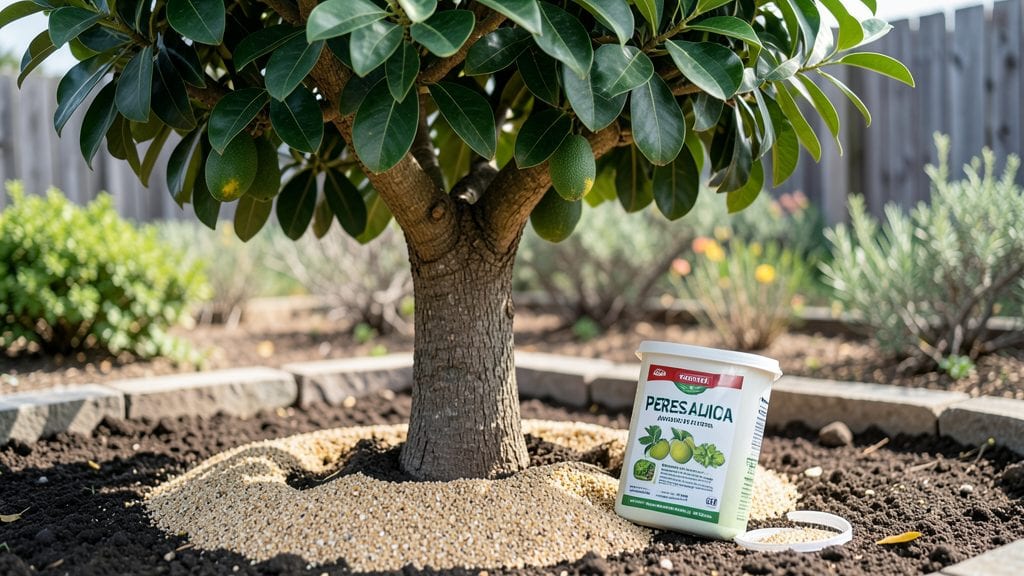
Avocado tree fertilization needs balanced nutrients applied during growth phases, with nitrogen-heavy feeds in spring and potassium-rich blends in late summer. Organic options like compost or slow-release granules work best, while over-fertilizing risks leaf burn and poor fruit development.
Understanding your avocado tree's nutritional needs is key to producing those luscious fruits you crave. 🌱 The right balance of nutrients—especially nitrogen for leaf growth and potassium for fruit development—directly impacts both tree health and yield.
I've seen firsthand how a simple soil test can reveal deficiencies like zinc or magnesium, which often cause yellowing leaves or stunted growth. Organic fertilizers like compost or worm castings release nutrients slowly, reducing the risk of overfeeding while improving soil structure over time.
Timing matters just as much as the type of fertilizer. Young trees need gentle, frequent feeding, while mature trees can handle heavier applications during their peak growing seasons. Overdoing it? You'll notice crispy leaf edges or a sudden drop in fruit quality.
That's why I always recommend starting with a soil test and adjusting your approach based on what your tree actually needs.
💡 In This Article
- Nutrient Needs for Avocado Tree Growth and Fruit Production
- Step-by-Step Guide to Fertilizing Young vs Mature Avocado Trees
Nutrient needs for avocado tree growth and fruit production
Avocado trees thrive on a precise nutrient balance that mirrors their dual priorities: lush foliage and heavy fruit production. The 3-1-2 ratio of nitrogen (N), phosphorus (P), and potassium (K) is the foundation, but the real magic happens in how these nutrients interact.
Nitrogen fuels leaf growth through chlorophyll production, while potassium strengthens cell walls—critical for holding those 8-16 ounce avocados without splitting. Phosphorus acts as the energy transfer molecule, helping roots absorb water and nutrients efficiently during Florida's 90°F summers. 🌿
Micronutrients like zinc and magnesium play equally vital roles. Zinc deficiency causes little leaf syndrome, where new growth stays tiny and yellowed, while magnesium deficiency appears as interveinal chlorosis (yellowing between leaf veins). These issues often stem from soil pH imbalances—avocados prefer 6.0-7.5, where nutrients become most available.
At pH <5.5, zinc and iron become locked out, while pH >8 reduces manganese uptake. I've seen California groves double their yields simply by adjusting pH and adding 0.5-1 pound of zinc sulfate per tree annually.
The timing of nutrient delivery matters just as much as the amounts. Spring fertilization focuses on nitrogen to support new shoot growth, while late summer shifts to potassium to prepare for flowering and fruit set.
This seasonal adjustment mirrors nature's cycle—avocados native to Mexico's highlands evolved to flush nutrients during wet seasons. Organic options like composted manure or bone meal release nutrients gradually, preventing the leaf burn that synthetic quick-release fertilizers often cause. 🌱
Here's what happens when nutrients get out of balance: Too much nitrogen without potassium results in weak stems that can't support fruit weight, while excess potassium without nitrogen causes stunted growth.
The ideal approach is a balanced 10-10-10 fertilizer applied every 6-8 weeks during growing season, supplemented with micronutrient sprays when needed. I recommend testing soil every 2-3 years to track these ratios—many gardeners overestimate their tree's needs and end up with nutrient toxicity.
Consider these key nutrient interactions:
- Nitrogen-Potassium Synergy: A 4:1 ratio during fruit development prevents premature fruit drop
- Calcium Role: Essential for cell wall strength—deficiency causes blossom end rot in developing avocados
- Boron Function: Critical for pollen tube growth—deficiency reduces fruit set by 30-50%
What most people don't realize is that avocado trees actually absorb nutrients most efficiently through their fine root hairs in the top 12 inches of soil. This is why surface applications or drip irrigation work better than deep soil incorporation.
The tree's root system also produces organic acids that chelate nutrients, making them more available—this natural process is why organic fertilizers often outperform synthetics in the long run. 🌱