Diseases
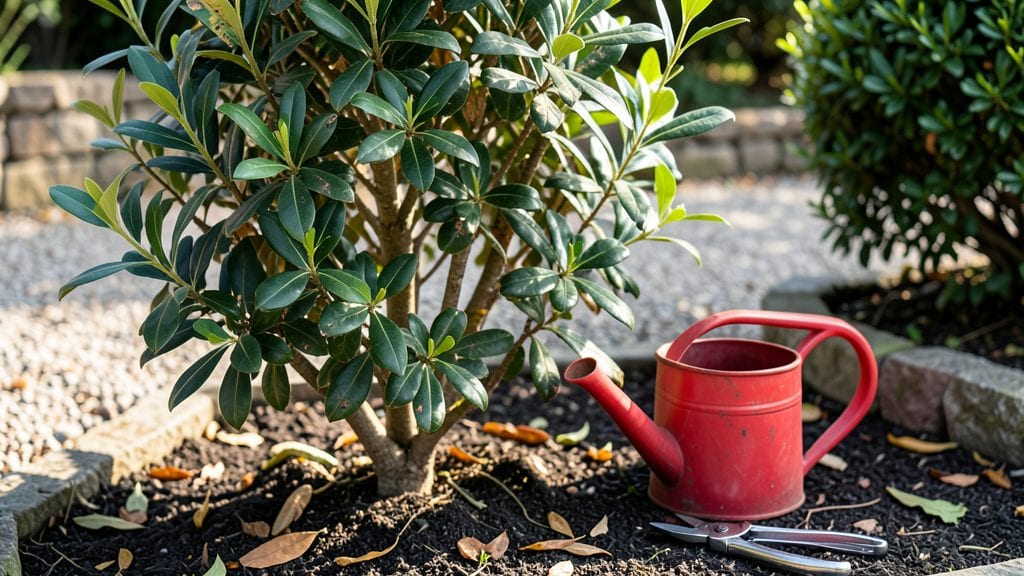
Bay tree diseases strike fast, but catching them early turns a potential disaster into a quick fix. 🌿 I’ve nursed my own bay trees back from leaf spots and wilting branches using simple, organic methods—no fancy tools required.
The key is spotting the right symptoms before the problem spreads beyond your control.
Most issues start with poor drainage or overwatering, creating the perfect breeding ground for root rot or fungal infections. Yellowing leaves, black spots, or sticky sap are your first warnings. I learned the hard way that ignoring these signs leads to stunted growth or worse—losing the tree entirely.
But with the right approach, you can revive even a struggling plant in weeks.
You’ll learn to identify the most common threats—like powdery mildew or bacterial blight—and treat them with household staples like neem oil or copper spray. These remedies work fast, often showing improvement within days.
The best part? Prevention is easier than you think with a few simple care adjustments that keep your bay tree thriving year-round.
Whether you’re dealing with a new infection or just want to keep your bay tree healthy, this guide covers everything from quick fixes to long-term strategies. No more guessing what’s wrong—just clear, actionable steps to get your tree back in top shape.
Underlying Causes Of Bay Tree Decline
Bay trees, with their glossy leaves and aromatic appeal, are prized for both ornamental and culinary uses. But when they fall prey to diseases, the culprits are often rooted in environmental stress, fungal or bacterial invasions, or poor cultural practices.
Understanding why these issues arise is the first step to prevention—and recovery. Let’s break down the key triggers behind bay tree diseases.
🌡️ Fungal Pathogens Invading Weakened Leaves
Fungal diseases like Botrytis blight (gray mold) or Phytophthora root rot thrive when bay trees are stressed. Here’s how they exploit your tree:
- Excess Moisture: Bay trees hate soggy roots or leaves. Overwatering or poor drainage creates the perfect humid microclimate for fungal spores to germinate. Phytophthora, for example, spreads rapidly in waterlogged soil, clogging roots and cutting off nutrient flow.
- Poor Air Circulation: Dense foliage or crowded plantings trap moisture against leaves, accelerating fungal spread. Botrytis targets older leaves first, causing brown, mushy patches that ooze spores.
- Nutrient Deficiencies: A lack of nitrogen or potassium weakens cell walls, making leaves easier targets for fungal enzymes. Test your soil—if pH is <4.5 or >7.5, fungi like Armillaria root rot gain the upper hand.
💡 Pro Tip: Space bay trees 3–5 feet apart and prune for airflow. Use copper fungicides preventatively in damp climates.
🦠 Bacterial Infections Hiding in Wounds
Unlike fungi, bacteria like Xanthomonas (leaf spot) or Pseudomonas (bacterial blight) don’t need moisture—they hitchhike on injuries. Here’s how they strike:
- Physical Damage: Pruning cuts, hail, or pest bites create entry points. Xanthomonas multiplies in these wounds, producing yellow halos around lesions.
- Splashing Water: Overhead irrigation or rain splashes bacteria onto leaves, where they colonize stomata (leaf pores). Pseudomonas thrives in this way, causing wilting and blackened veins.
- Contaminated Tools: Pruners or stakes carrying old bacterial residue can infect new cuts. Sterilize tools with 70% alcohol between uses.
✨ Key Insight: Bacterial diseases spread faster in warm (75–85°F) conditions. Remove infected leaves immediately and avoid watering foliage.
🌱 Environmental Stressors Breeding Disease
Bay trees are resilient, but extreme conditions force them to shut down defenses. These factors create openings for pathogens:
| Stressor | How It Weakens the Tree | Diseases It Invites |
|---|---|---|
| 🔥 Heat Stress | Leaves scorch, reducing photosynthesis. The tree diverts energy to survival, leaving roots vulnerable. | Verticillium wilt, root rot |
| ❄️ Cold Damage | Frost cracks bark, exposing tissue to Nectria (a fungal canker) or Agrobacterium (crown gall). | Canker diseases, bacterial ooze |
| 🌬️ Salt or Chemical Burn | De-icing salt or herbicide drift disrupts root function, starving the tree of water and nutrients. | Phytophthora root rot, leaf scorch |
🎯 Prevention Tip: Mulch with wood chips (not bark) to insulate roots, and water deeply during droughts to reduce heat stress.
🐛 Pests Paving the Way for Disease
Insects like aphids, scale, or spider mites don’t just sap sap—they excrete honeydew, a sticky buffet for sooty mold fungi. Even worse, their bites create wounds for secondary infections:
- Honeydew Feast: Sooty mold (Capnodium) thrives on aphid honeydew, coating leaves and blocking sunlight. This stresses the tree, inviting Botrytis.
- Viral Vectors: Aphids transmit Tomato Ringspot Virus, which causes leaf mottling and stunting—making the tree an easy target for opportunistic fungi.
- Root-Feeding Grubs: Japanese beetle larvae chew roots, disrupting water uptake. Weakened roots? Phytophthora moves in.
🔥 Action Step: Blast pests off with neem oil or introduce ladybugs (natural predators) to break the cycle.
Most bay tree diseases are opportunistic—they exploit stress, not attack healthy trees. By addressing moisture, circulation, wounds, and pests, you remove the welcome mat for pathogens. Next up: How to diagnose these issues before they spread.
How to Fix Bay Tree Ailments
When your bay tree starts showing signs of distress—whether it’s yellowing leaves, black spots, or stunted growth—acting quickly can save it. Below, we map out practical solutions for each common issue, along with prevention tips to keep your tree thriving. Think of this as your bay tree’s first-aid kit!
Fungal diseases thrive in damp conditions, so the key is improving airflow and drying out the foliage.
🔥 Step 1: Prune for Better Airflow
- 🍳 Remove infected leaves (wear gloves!) and dispose of them in the trash not the compost.
- 👨🍳 Trim overcrowded branches to allow sunlight and air to circulate. Aim for a 1/3 reduction in density.
🥘 Step 2: Apply Fungicide
- 🔪 Spray with neem oil (1 tsp per quart of water) or a copper-based fungicide (follow label instructions).
- ⏰ Reapply every 7–10 days until new growth appears.
💡 Prevention Tips:
- 🌡️ Water at the base (avoid wetting leaves) in the early morning so foliage dries by night.
- ✨ Space plants 3–4 feet apart to reduce humidity buildup.
- 🎯 Use a fan on low speed near the tree in humid climates.
Root rot is sneaky—it starts underground and can kill your tree if ignored. The fix? Drainage + patience.
🔥 Step 1: Check the Soil
- 🍳 Dig around the roots (gently!) and assess:
- Healthy roots: Firm, white or light brown.
- Rotten roots: Mushy, dark brown/black, and smelly.
- 👨🍳 Trim away mushy roots with sterilized pruners.
🥘 Step 2: Improve Drainage
- 🔪 Repot in a container with well-draining soil (mix potting soil with perlite or sand).
- ⏰ If planted in ground, amend the soil with compost + coarse sand and create a raised bed if drainage is poor.
💡 Prevention Tips:
- 🌡️ Water only when the top 1–2 inches of soil are dry (stick your finger in to check!).
- 🎯 Choose a pot with drainage holes if growing in containers.
- ✨ Avoid soggy spots—ensure your garden has good slope or install French drains if needed.
Pests suck the life out of your bay tree, but you can smother them naturally without harsh chemicals.
🔥 Step 1: Isolate and Inspect
- 🍳 Move the tree away from others to prevent spread.
- 👨🍳 Check undersides of leaves for webs (mites), sticky residue (aphids), or white bumps (scale).
🥘 Step 2: Blast Them Away
- 🔪 Spray with soapy water (1 tsp mild dish soap per quart of water) or neem oil (repeat every 5 days).
- ⏰ For scale, use a soft brush dipped in rubbing alcohol to scrape them off.
💡 Prevention Tips:
- 🌡️ Introduce predator insects like ladybugs or lacewings (available at garden centers).
- ✨ Keep the area clean—remove fallen leaves where pests hide.
- 🎯 Inspect new plants before bringing them home (quarantine for 2 weeks).
Yellow leaves or crispy edges? Your bay tree might be over- or under-fed.
🔥 Step 1: Diagnose the Problem
- 🍳 Yellow leaves with green veins? → Iron deficiency (chlorosis).
- 👨🍳 Brown, crispy edges? → Too much sun or low humidity.
🥘 Step 2: Adjust Care
- 🔪 For chlorosis: Apply chelated iron supplement (follow package instructions) and ensure soil pH is 6.0–7.0.
- ⏰ For sunburn: Move the tree to partial shade (especially in hot afternoons).
💡 Prevention Tips:
- 🌡️ Fertilize lightly in spring with a balanced 10-10-10 formula (avoid overdoing nitrogen).
- ✨ Mist leaves occasionally if humidity is low (bay trees love moisture in the air!).
- 🎯 Mulch around the base to retain soil moisture and nutrients.
With these targeted fixes, your bay tree should bounce back in 4–8 weeks. The key is early action—don’t wait until the problem spreads! For stubborn cases, consult a local arborist or extension service for expert advice.
Frequently asked questions about bay tree health issues
What are the first signs my bay tree has a fungal disease?
Look for dark spots on leaves that spread quickly, powdery white coatings (powdery mildew), or yellowing leaves with brown edges. Fungal infections often appear as mushy patches or blackened veins—these are red flags that moisture levels are too high. Act fast by pruning infected areas and improving airflow.
Can I save a bay tree with root rot?
Yes, but you must act immediately! First, trim away all mushy, black roots with sterilized tools. Repot in well-draining soil (mix potting soil with perlite) and water only when the top 1-2 inches are dry. If planted in ground, amend the soil with coarse sand and create a raised bed if drainage is poor. Recovery takes 4-6 weeks with proper care.
Why do my bay tree leaves turn yellow?
Yellow leaves usually signal overwatering, nutrient deficiency (like iron chlorosis), or poor drainage. Check soil moisture first—if soggy, reduce watering. For chlorosis (yellow with green veins), apply chelated iron and test soil pH (ideal: 6.0-7.0). Brown crispy edges? Your tree may need more humidity or shade from intense afternoon sun.
Is neem oil safe for treating bay tree diseases?
Neem oil is a natural fungicide and insect repellent that works against powdery mildew, leaf spots, and even some bacterial issues. Mix 1 teaspoon with 1 quart of water and spray leaves thoroughly every 7-10 days until symptoms improve. It’s organic, non-toxic, and safe for both indoor and outdoor bay trees when used as directed.
When should I call a professional for my bay tree?
Consult an arborist if your tree shows severe wilting, large cankers on the trunk, or extensive root rot that won’t respond to home treatment. Also seek help if you’re unsure about soil-borne diseases like Armillaria root rot or if your tree is over 10 feet tall—safety matters when treating large specimens. Local extension offices often offer free diagnostics too!