
Trees
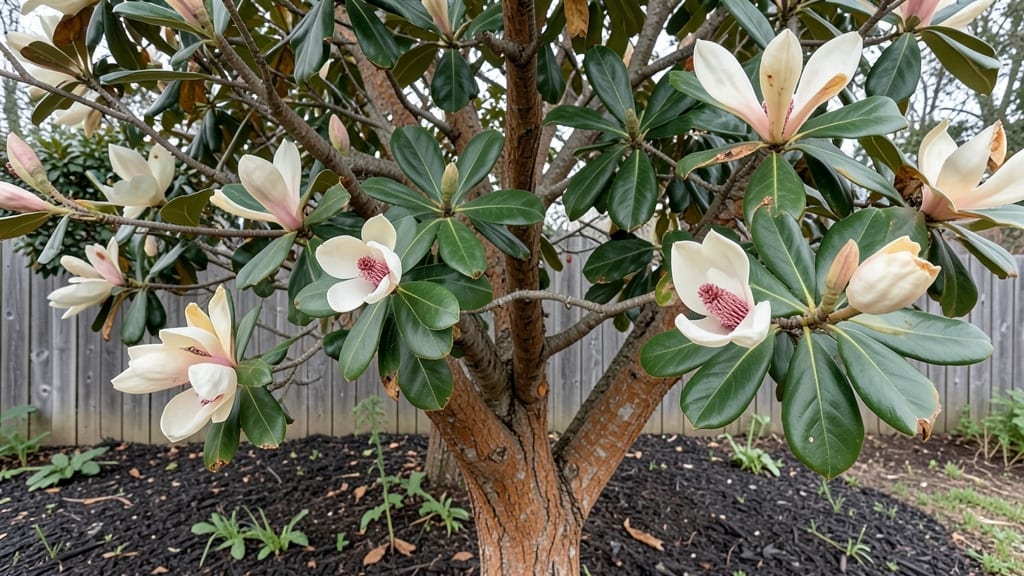
Big flowering trees turn your garden into a living masterpiece with year-round drama—think towering canopies that burst into color while still standing stark and elegant in winter. 🌿 I planted a Japanese tree lilac last spring, and now my backyard feels like a secret garden every season, from its fragrant spring blooms to the deep red foliage it turns in fall.
The key is choosing trees that match your space and style—whether you want a bold focal point like a crape myrtle or a graceful weeper with cascading flowers.
These giants need room to grow (20–40 feet wide at maturity), so plan their placement carefully near patios or walkways where their shade and scent will be enjoyed most. Pair them with perennials that thrive in their dappled shade, like hostas or ferns, to create layered interest.
You’ll love how these trees transform your outdoor space into a showstopper—imagine blooms in pink, white, or purple that attract hummingbirds and butterflies while providing shade for summer gatherings.
With proper pruning (just a few strategic cuts a year), they’ll stay healthy and keep delivering that wow factor for decades. The best part? Their presence makes every corner of your garden feel intentional and alive.
Works for both formal gardens and wild, natural landscapes—just pick the right variety for your climate and soil. Let’s make your yard the envy of the neighborhood with these statement-makers that do double duty as living art and functional shade providers.
📚 In This Guide
- What you need
- Instructions
- Tips and common mistakes
- Wrapping up and next steps
What you need
- ● Big flowering tree saplings: Choose 1–3 mature-sized trees (10–20 ft tall) like Crape Myrtle, Royal Poinciana, or Japanese Maple (ensure they’re locally suited).
- ● High-quality potting soil: 3–5 bags (1 cubic yard per tree) with organic compost (e.g., Miracle-Gro Garden Soil).
- ● Slow-release fertilizer: 1 bag (e.g., Osmocote Smart-Release for 3–4 months of nutrients).
- ● Mulch: 2–3 cubic yards of wood chips or bark (3–4 inches deep).
- ● Tree supports (if needed): 1–2 tree stakes + soft ties for young or top-heavy trees.
- ● Watering supplies: 1–2 hose with adjustable nozzle (or a soaker hose for deep watering).
- ● 5–10 gallon watering can (for seedlings).
- ● Digging tools: 1 shovel (round-point for planting holes).
- ● 1 mattok or digging bar (for stubborn soil).
- ● Safety gear: 1 pair gloves + closed-toe shoes.
- ● Pruning tools: 1 pruning shears (for cleanup).
- ○ 1 hand saw (for thick branches, optional).
- ● Measuring tape (to mark planting depth).
- ● Wheelbarrow (for hauling soil/mulch).
- ● Tree guards: 2–3 plastic tree wraps to protect young trunks from pests.
- ● Soil conditioners: 1 bag gypsum (if soil is clay-heavy) or perlite (for sandy soil).
- ● Drip irrigation kit (for automated watering, $20–$50).
- ● Decorative rocks or edging (to define the tree’s base).
- ● Seasonal blooms boosters: 1 bottle tree-specific bloom fertilizer (e.g., Espoma Tree-Tone).
How to plant big flowering trees for maximum impact
Here's my foolproof method for planting bold, long-lived trees that transform any space.
🪴 Step 1: Choose the Right Tree and Planting Site
Select a tree with mature height and spread matching your space—20-30 feet tall at maturity works for most backyards. Check the label for sunlight needs: some like full sun (6+ hours), others thrive in partial shade (3-6 hours). I always verify soil type first because big trees hate soggy roots.
Mark your planting spot with stakes. Step back and visualize the tree's mature size—10-15 feet from structures and 20 feet from septic systems. Use a shovel and measuring tape from your supplies to outline a 3-foot diameter hole. This gives roots room to establish without circling too tightly.
🌱 Step 2: Dig and Prepare the Planting Hole
Dig the hole twice as wide as the root ball but no deeper—this prevents water pooling. Loosen the sides with your pruning shears to create vertical slices about 12 inches deep. This encourages roots to spread outward instead of circling.
Mix the native soil you removed with 2-3 inches of compost (from your supplies) to improve drainage. Avoid heavy amendments like peat moss—they can suffocate roots. I always test the soil moisture by squeezing a handful; it should crumble slightly but not fall apart.
⏰ Step 3: Plant at the Correct Depth and Stake
Place the tree so the top of the root ball sits 1-2 inches above ground level. Big trees need this slight elevation to prevent root rot. Remove any wrapping or burlap from the root ball—roots should spread freely into the prepared hole.
Backfill with your soil-compost mix, tamping gently every 6 inches to eliminate air pockets. Install 2-3 stakes (from your supplies) at 45-degree angles, tying the tree loosely with rubber tree ties. Water deeply until moisture reaches 12 inches down—you'll see it sink into the hole.
☀️ Step 4: Mulch and Water for Establishment
Spread 3 inches of mulch (from your supplies) in a 3-foot diameter ring, keeping it 6 inches away from the trunk. This protects roots from temperature swings while preventing moisture loss. I always use wood chips or shredded bark—never rocks or plastic.
Water 2-3 times per week for the first year, giving the tree 10-15 gallons each time. Check soil moisture by pushing a trowel handle into the ground—it should feel damp 6 inches down. Avoid overhead watering; it spreads disease. After the first year, mature trees need water only during drought conditions.
🌿 Step 5: Prune and Monitor for Long-Term Health
Remove any dead, broken, or crossing branches using your pruning shears, cutting just outside the branch collar. I never prune more than 25% of the canopy in the first year—big trees need their leaves for energy. Shape lightly to encourage strong branch structure.
Inspect the trunk annually for cracks or signs of pests like woodpecker holes. Big trees are investments; I check for leaf color changes (yellowing often signals overwatering) and root growth (new roots should appear at the soil line). With proper care, your tree will thrive for decades.
Tips & tricks for planting big flowering trees
Planting big flowering trees isn't just about digging a hole—it's about setting them up for decades of beauty. Here's what I've learned from years of planting these canopy-makers.
Tree Selection Wisdom: When choosing your tree, pay special attention to the label's mature size description. A tree marked "20-30 feet" at maturity will need serious space—measure your yard carefully. I always verify the sunlight requirements too; some flowering trees like crepe myrtle need full sun (6+ hours), while others like Japanese maples thrive in partial shade (3-6 hours). The wrong light conditions can stress your tree from day one.
Soil Preparation Secret: In Step 2, when mixing your native soil with 2-3 inches of compost, don't skip the soil moisture test. Squeeze a handful—it should crumble slightly but not fall apart. If it feels too wet, add more compost to improve drainage. Too dry? Add a bit of water and mix well. This simple test prevents waterlogging, which is deadly for big tree roots.
Staking Strategy: Those 2-3 stakes in Step 3 aren't just for show—they need to be installed at 45-degree angles to provide proper support without restricting root growth. I use rubber tree ties because they're gentler than wire and won't cut into the bark as the tree grows. Remember to tie them loosely so the tree can sway slightly in the wind, which actually strengthens its trunk over time.
Mulching Mastery: The 3-inch layer of mulch you spread in Step 4 should always stay 6 inches away from the trunk. This creates a donut shape that protects roots while preventing moisture buildup against the bark. I've seen many gardeners make the mistake of piling mulch right against the trunk, which can lead to rot. Use wood chips or shredded bark—they break down slowly and improve soil structure over time.
Pro Tips for Big Flowering Trees
- Planting big flowering trees isn't just about digging a hole—it's about setting them up for decades of beauty.
- Tree Selection Wisdom: When choosing your tree, pay special attention to the label's mature size description.
- Soil Preparation Secret: In Step 2, when mixing your native soil with 2-3 inches of compost, don't skip the soil moisture test.
Frequently asked questions
Got questions about big flowering trees?
You’re not alone! Here are answers to the most common queries to help you pick, plant, and enjoy these stunning giants with confidence.
What’s the best big flowering tree for small yards?
If space is limited, opt for compact varieties like the Crape Myrtle (smaller cultivars) or Japanese Tree Lilac. These deliver bold blooms without overwhelming your landscape. Just ensure they have 6–10 feet of clearance from structures and sidewalks.
How long does it take for big flowering trees to bloom?
Most big flowering trees take 3–5 years to reach maturity and produce their first significant blooms. Bradford Pear and Crabapple trees may flower sooner (2–3 years), while Magnolias can take 5–7 years. Patience pays off—healthy roots = bigger, showier flowers!
Can big flowering trees survive in urban areas with pollution?
Trees like the London Plane or Ginkgo are tough and tolerate city conditions. For extra resilience, choose disease-resistant varieties (e.g., Star Magnolia) and mulch well to protect roots. Avoid planting near heavy traffic if possible—pollution can stress delicate blooms.
Why aren’t my big flowering tree’s leaves turning colorful in fall?
Colorful fall foliage depends on sunlight, water, and nutrients. If leaves lack vibrancy, check for:
- Sun exposure: Most need 6+ hours of sunlight daily.
- Watering: Deep water 1–2 times per week (adjust for drought).
- Soil health: Test for nutrient deficiencies (e.g., nitrogen or potassium).
Are there drought-tolerant big flowering trees?
Yes! Native or adapted species like Texas Mountain Laurel, Desert Willow, or Oakleaf Hydrangea thrive with minimal water once established. Plant them in well-draining soil and mulch 3 inches deep to retain moisture. Avoid overwatering—most big trees hate soggy roots!
Wrapping up and next steps
Big flowering trees aren’t just a spectacular addition to your landscape—they’re a year-round investment in beauty, shade, and even wildlife support.
Whether you’re drawn to the bold blooms of a crape myrtle or the elegant charm of a magnolia, these giants transform any garden into a vibrant, ever-changing masterpiece. 🌸
Ready to elevate your outdoor space? Start by researching the best varieties for your climate, then sketch a planting plan that balances aesthetics and practicality. Plant with confidence—your future garden will thank you!