
Trees
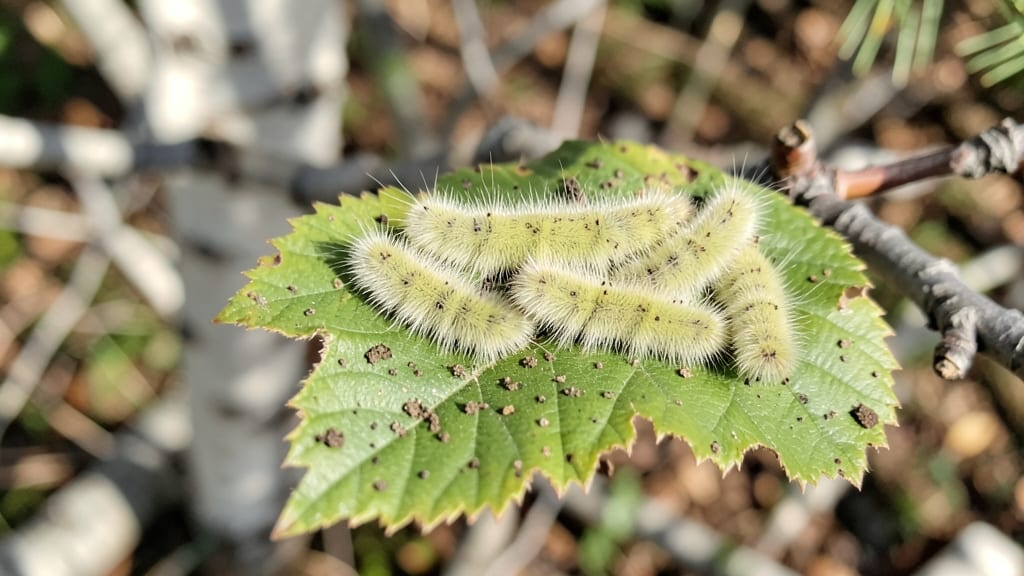
Birch tree caterpillars can strip your tree bare in weeks, leaving you staring at skeleton branches by summer. 🌿 I’ve watched entire yards turn into sad, defoliated landscapes because these pests hit hard and fast—especially on young birch trees.
The good news? You can stop them without harsh chemicals if you act early and use the right tricks.
These caterpillars—often the larvae of the birch leaf miner or birch sawfly—start small but multiply fast. You’ll spot them as fuzzy green or black worms chewing through leaves, leaving behind fine webbing or frass (that’s bug poop, folks).
The damage isn’t just ugly; it weakens the tree, making it vulnerable to disease or even death in severe cases.
You’ll learn how to spot them before they take over, plus three natural control methods that actually work—no toxic sprays required. By the end, your birch will bounce back with fresh, vibrant foliage, and you’ll have a plan to keep these pests off your trees for good.
Whether you’re dealing with a single tree or a whole grove, these strategies scale easily. Let’s get your birch trees healthy again—without the guesswork.
Root Causes Of Outbreaks
Birch tree caterpillars—particularly species like the Epirrita dilutata (birch looper) or Phyllocnistis populiella (birch leaf miner)—don’t just appear out of nowhere. Their rapid population surges are the result of a mix of ecological triggers, tree stress, and even human activity.
Understanding these causes is key to preventing future infestations and protecting your birch trees. Let’s break down the science behind why these caterpillars strike.
Birch trees under stress are like open invitations for caterpillars. When trees struggle—whether from drought, poor soil, or disease—they produce fewer defensive compounds like tannins and phenols, which normally deter pests. Here’s how stress sets the stage:
- Drought or poor water access: Birches need consistent moisture. When roots dry out, the tree diverts energy away from leaf production and pest resistance, making it easier for caterpillars to feast unchecked.
- Nutrient deficiencies: Lack of nitrogen, phosphorus, or micronutrients (like magnesium) weakens foliage, making leaves softer and more palatable for caterpillars.
- Competition for resources: Overcrowded birches or those shaded by larger trees may produce sparse, low-quality leaves—perfect caterpillar buffets.
- Disease or prior pest damage: Trees recovering from fungal infections (e.g., Septoria leaf spot) or past infestations (like aphids) are prime targets.
Actionable fix: Conduct a soil test to check pH and nutrient levels. Mulch with organic matter to retain moisture and improve root health. Water deeply during dry spells to reduce stress.
In a healthy ecosystem, caterpillars are kept in check by predators like birds, parasitic wasps, and beneficial insects. But when these natural controls disappear—due to habitat loss, pesticide use, or climate shifts—caterpillar populations explode. Here’s why:
- Pesticide overuse: Broad-spectrum insecticides kill beneficial predators (e.g., ladybugs, lacewings) faster than caterpillars, creating a vacuum that caterpillars fill.
- Urbanization and habitat fragmentation: Fewer nesting sites for birds and fewer plants for predator insects reduce biodiversity, tipping the balance in favor of caterpillars.
- Climate change disruptions: Warmer winters mean fewer freeze-outs for caterpillar eggs, while altered rainfall patterns can delay predator emergence.
- Monoculture landscapes: Planting only birches (or other single tree species) removes the diversity predators rely on for food and shelter.
Actionable fix: Avoid chemical sprays and opt for targeted biological controls (like Bacillus thuringiensis). Plant native flowers and shrubs nearby to attract predator species.
Caterpillars are opportunists—the more food available, the faster they multiply. Birch trees, especially young or fast-growing ones, can become caterpillar hotspots when:
- New growth is unchecked: Birches produce tender new leaves in spring, which caterpillars adore. If the tree isn’t pruned or thinned, it becomes a caterpillar salad bar.
- Adjacent host plants thrive: Some caterpillars (like the Geometridae family) also feed on willows, alders, or cherries. If these plants are nearby and healthy, they act as caterpillar reservoirs.
- Mild winters preserve eggs: Cold winters kill many caterpillar eggs, but recent years with fewer hard freezes mean more survivors hatching in spring.
Actionable fix:
- Prune birches in late winter to remove potential egg-laying sites and encourage stronger growth.
- Monitor neighboring trees for early signs of infestation and treat them preemptively.
- Use row covers or netting in early spring to block egg-laying females.
Sometimes, human actions inadvertently create the perfect storm for caterpillar outbreaks. Here’s how:
- Landscaping practices: Over-pruning or topping birches stresses trees and stimulates weak, caterpillar-friendly growth. Poorly timed pruning (e.g., in late summer) can also attract egg-laying moths.
- Firewood or nursery trade movement: Caterpillar-infested wood or plants can unknowingly transport eggs or larvae to new areas.
- Ignoring early signs: Many property owners wait until caterpillars have defoliated a tree before acting, allowing populations to skyrocket.
- Climate-controlled microclimates: Urban heat islands or greenhouses can extend caterpillar breeding seasons, leading to multiple generations per year.
Actionable fix: Stay vigilant with regular inspections (especially after rain, when caterpillars are most active). If relocating plants, quarantine new additions for a week to check for pests.
Natural Ways to Control Defoliators
Once you’ve identified the culprits—whether they’re birch leafminers, gypsy moth caterpillars, or other leaf-munching pests—it’s time to act. The good news? You don’t need harsh chemicals to protect your trees.
Below are targeted, eco-friendly solutions tailored to the root cause of the problem, plus prevention tips to keep your birch trees lush and pest-free for years.
If your tree is covered in caterpillars and leaves are being devoured at an alarming rate, act quickly to minimize damage.
🔥 Manual Removal: The Old-School Power Move
For small to medium infestations, pick them off by hand—it’s simple, chemical-free, and surprisingly effective.
- When to do it: Early morning (caterpillars are sluggish and easier to spot).
- How to do it:
- Wear gloves (some caterpillars have irritating hairs).
- Shake branches over a bucket of soapy water (1 tbsp dish soap per gallon) to drown them.
- Drop them into a sealed bag and dispose of them far from your yard.
- Pro tip: 💡 Focus on new growth first—these areas are most vulnerable.
🍳 Bacillus Thuringiensis (Bt): The Caterpillar Killer (Safe for Everything Else)
This natural bacteria is a game-changer for organic gardeners.
It targets caterpillars’ digestive systems while leaving birds, bees, and other beneficial insects unharmed. - When to apply: At dusk or dawn (avoids harming pollinators). - How to apply: - Mix Bt powder or spray with water (follow label instructions). - Spray both sides of leaves and new shoots thoroughly. - Reapply every 7–10 days or after rain. - Pro tip: 🌡️ Best in cooler weather (Bt breaks down in direct sunlight).
👨🍳 Neem Oil Spray: The Multi-Tasking Defense
Neem oil disrupts caterpillars’ feeding and growth cycles while also acting as a fungicide (great if mildew is a secondary issue).
- When to apply: Late afternoon (to avoid harming bees).
- How to apply:
- Mix 1 tsp neem oil + 1 tsp mild soap + 1 quart water.
- Spray foliage and bark until damp.
- Reapply every 5–7 days until infestation clears.
- Pro tip: ✨ Shake well before use—neem oil separates over time.
If you’re dealing with tiny white trails (leaf miners) or translucent tunnels in leaves, these pests are already inside the foliage—so you’ll need a preventative + curative approach.
🔪 Prune & Destroy Infested Leaves
Leaf miners overwinter in fallen leaves, so cleanup is critical.
- When to do it: Fall and early spring (before new growth).
- How to do it:
- Remove and bag all fallen leaves under the tree.
- Prune heavily infested branches (sterilize shears with rubbing alcohol).
- Compost or trash (do not mulch infested leaves).
- Pro tip: 🎯 Use a shop vac to suck up debris from tree bases—leaf miners love hiding there.
🥘 Kaolin Clay: The Invisible Shield
This mineral-based spray creates a protective film that repels egg-laying adults and disrupts caterpillars’ feeding.
- When to apply: Early spring (before eggs hatch) and after major rain.
- How to apply:
- Mix kaolin clay spray (like Surround WP) with water.
- Spray foliage and branches until lightly coated.
- Reapply every 2–4 weeks or after rain.
- Pro tip: 💡 Works best on young caterpillars—apply before they get too big.
The best defense? A healthy tree + smart habits to make your birch less appealing to pests.
📊 Boost Tree Health Naturally Healthy trees resist pests better.
Focus on: - Watering deeply (1–2 inches per week, especially in drought conditions). - Mulching (2–3 inches of organic mulch, keeping it 6 inches away from the trunk). - Balanced fertilization (use a slow-release, organic fertilizer in early spring). - Pro tip: 💪 Avoid over-fertilizing with nitrogen—it attracts soft-bodied pests like aphids.
🐝 Encourage Beneficial Predators
Nature’s pest control works wonders if you create the right habitat:
- Ladybugs, lacewings, and parasitic wasps love eating caterpillar eggs.
- Plant companion plants like dill, fennel, or yarrow to attract them.
- Install a small water source (a shallow dish with pebbles) to keep predators around.
- Pro tip: 🌿 Avoid broad-spectrum pesticides—they kill the good guys too!
🚫 Monitor & Act Early
Catch problems before they explode with these low-effort checks:
- Shake a branch over a white sheet once a week—count caterpillars (if >50, act fast).
- Check egg masses (gypsy moths lay silky white clusters on branches).
- Use sticky traps (yellow or blue) to catch adult moths before they lay eggs.
- Pro tip: ⏰ Spring is the best time to intercept—most caterpillars hatch in May–June.
While most birch caterpillar issues can be handled at home, seek an arborist if:
- Your tree is already heavily defoliated (50%+ leaf loss).
- You suspect disease (like birch leaf blight) alongside pests.
- The tree is young or valuable (e.g., a specimen birch).
Final Thought: 🌳 With consistent monitoring, natural sprays, and tree care, you can keep your birch thriving without chemicals. Start with one or two methods, track progress, and adjust as needed—your tree will thank you!
Frequently asked questions
What do birch tree caterpillars look like?
Birch caterpillars vary by species, but most are green, black, or brown with fuzzy or smooth bodies. Look for tiny white trails (leaf miners) or black frass (poop) on leaves. Gypsy moth caterpillars have hairy, striped bodies with blue and yellow markings. Check undersides of leaves—they often hide there during the day.
Are birch caterpillars harmful to trees?
Yes, severe infestations can strip trees bare, weakening them and making them vulnerable to disease or even death. While birches are resilient, repeated defoliation stresses roots and reduces energy storage. Young trees are most at risk—act fast if you see caterpillars multiplying.
How can I tell if caterpillars are leaf miners vs. surface feeders?
Leaf miners create blister-like tunnels inside leaves (visible as white squiggly lines), while surface feeders leave irregular holes or skeletonized leaves. Shake branches over white paper—if you see tiny worms with no webbing, they’re likely miners. Surface feeders often leave silky webbing between leaves.
Will birds or other wildlife help control caterpillar populations?
Birds like robins, chickadees, and woodpeckers eat caterpillars voraciously. Install a bird feeder or nesting box near your birch to encourage them. Just avoid pesticides—birds need healthy insect populations for food. Parasitic wasps also naturally control caterpillars by laying eggs inside their bodies.
Can I use soap spray to kill birch caterpillars?
Yes, but it’s most effective on small caterpillars. Mix 1 tablespoon mild dish soap with 1 quart water and spray directly on caterpillars (avoid blooming flowers). Reapply every 3–5 days for best results. This method works best in early infestations before populations explode.