Diseases
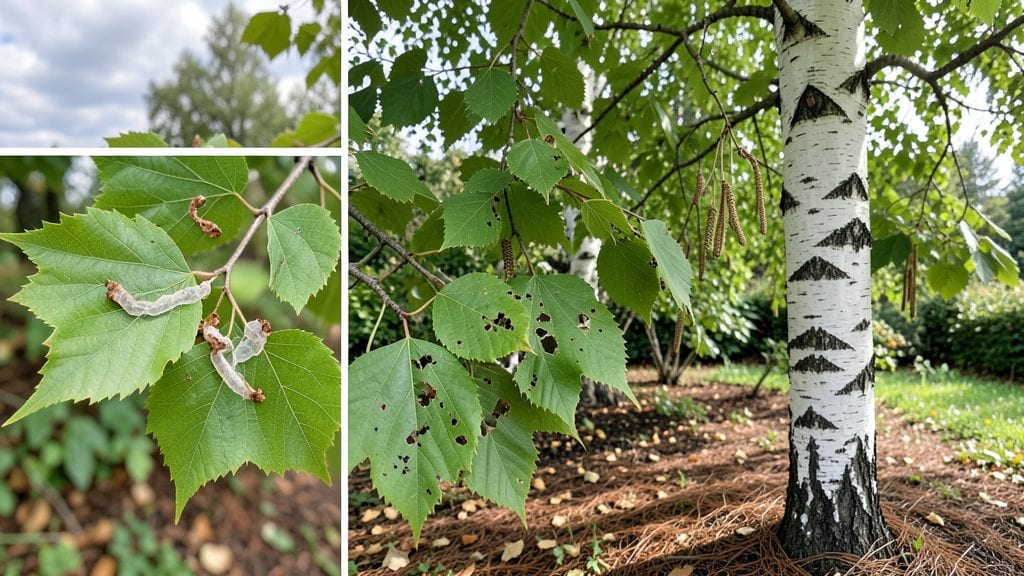
When your birch tree leaves start showing strange brown spots or weird curling, you're likely dealing with leaf spot or canker diseases—common problems that can turn those delicate white bark and lacy foliage into a mess if ignored. 🌿 I’ve seen birch trees go from stunning shade providers to sad, struggling shadows in just a few seasons when these issues aren’t caught early.
The good news? Most birch diseases are manageable with the right knowledge and a little proactive care.
Leaf spot and canker diseases usually appear as dark, irregular patches on leaves or sunken, oozing wounds on the bark. Fungal infections thrive in wet conditions, while pests like the bronze birch borer create their own damage by tunneling under the bark.
The key to saving your tree is acting fast—once the damage spreads, recovery gets a lot harder. I’ve learned that pruning infected branches early and improving air circulation around the tree can make a huge difference.
You’ll want to start by removing and destroying any heavily infected leaves or branches (don’t compost them—the spores can spread). Then, apply a copper-based fungicide or neem oil spray in early spring before new growth appears.
For severe cases, a bark sealant can help protect against cankers. The goal is to stop the spread and give your birch tree a fighting chance to bounce back.
Prevention is the real game-changer here. Water at the base of the tree—not overhead—to keep leaves dry, and mulch around the trunk to improve soil health.
Healthy birch trees are resilient, and with the right care, you can keep those iconic white trunks and graceful branches looking their best for years to come. Let’s get your tree back to thriving!
Root Causes Behind Leaf Troubles
Understanding why birch tree leaves develop diseases like leaf spot or canker starts with recognizing the environmental stressors, pathogens, and tree vulnerabilities at play. These issues rarely happen in isolation—they’re often the result of a perfect storm of conditions.
Let’s break down the key culprits and why they trigger problems in your birch’s foliage.
🍄 The silent invaders—fungi like Septoria musiva, Marssonina betulae, or Nectria species are the primary drivers of leaf spot and canker diseases in birch trees. Here’s how they exploit weaknesses:
- Moisture-Loving Microbes: Fungi thrive in humid, damp conditions (think spring rains or late-season fog).
When leaves stay wet for prolonged periods—especially overnight—their spores germinate and penetrate leaf tissue through stomata (pores) or wounds. - Actionable insight: Avoid overhead watering in the evening, and prune to improve air circulation around the canopy.
- Weakened Tree Defenses: Stress from drought, poor soil, or physical damage (like hail or improper pruning) makes birch trees more susceptible to fungal attacks.
A healthy tree’s cuticle (waxy leaf coating) acts as a barrier, but when compromised, fungi latch on easily. - Pro tip: 💡 Test your soil for nutrient deficiencies (e.g., low nitrogen or potassium) and amend with compost or a balanced fertilizer in early spring.
- Disease Cycles: Many fungal pathogens overwinter in fallen leaves, bark, or cankers. When conditions warm up, they re-release spores, infecting new growth.
- Prevention tip: ✨ Rake and remove infected leaves in fall, and sterilize pruning tools with 70% isopropyl alcohol to prevent spread.
🌡️ Heat, drought, and poor air quality don’t directly cause diseases, but they lower a birch’s resilience, making it an easier target for pathogens. Here’s how:
- Prolonged Drought: - Birch trees are shallow-rooted, so dry soil stresses them quickly.
When roots can’t absorb enough water, leaves wilt, yellow, or develop necrotic (dead) spots—perfect entry points for fungi. - Fix it: 🌧️ Deep-water trees during dry spells (1–1.5 inches per week) and mulch (2–3 inches of organic mulch) to retain moisture.
- Poor Air Circulation:
- Dense foliage or nearby structures (like fences or buildings) trap humidity against leaves. This creates a fungal-friendly microclimate, accelerating diseases like birch leaf spot.
- Solution: 🌿 Thin out crowded branches in late winter/early spring to improve airflow.
- Air Pollution & Urban Stress:
- Birch trees in cities often face ozone, sulfur dioxide, or salt spray (from roads), which damage leaf tissue and weaken defenses.
- Urban hack: 🏙️ Install a rain garden nearby to filter runoff, or apply antioxidant sprays (like seaweed extract) to boost tree resilience.
🔪 Any injury to leaves or bark—whether from pests, tools, or weather—can become a gateway for infection. Common culprits:
- Pest Activity: - Birch leafminers (larvae that tunnel inside leaves) or scale insects create wounds that fungi exploit.
Even deer browsing can tear leaves, leaving ragged edges prone to rot. - Defense: 🐞 Introduce natural predators (like ladybugs for aphids) or use horticultural oil in early spring to smother eggs.
- Improper Pruning: - Cutting too close to branches (within 1/4 inch of the trunk) or using dull tools can tear bark, exposing cambium layers (the tree’s growth tissue).
This invites canker-causing fungi like Nectria. - Pruning pro tip: ⏰ Prune in late winter/early spring (dormant season) and sterilize tools between cuts.
- Hail or Wind Damage: - Torn leaves or abrasions from debris create open wounds.
If these aren’t healed quickly, fungi like Marssonina (which causes tar spot) can colonize the damage. - Recovery aid: 🌿 Apply a fungicidal spray (like copper-based products) after storms to prevent infection.
📊 A hungry birch tree is a sick birch tree. Specific deficiencies make leaves more vulnerable to diseases:
| Deficiency | Leaf Symptoms | How It Affects Disease Risk | Solution |
|---|---|---|---|
| Nitrogen (N) | Pale yellow leaves, stunted growth | Weakens leaf structure; fungi spread faster. | Apply blood meal or compost tea. |
| Potassium (K) | Brown leaf edges, weak stems | Reduces disease resistance; cankers develop more easily. | Use greensand or wood ash. |
| Magnesium (Mg) | Interveinal yellowing (between veins) | Impairs photosynthesis; leaves become stressed. | Epsom salt spray (1 tbsp/gal water). |
- Soil test tip: 🔬 Send a sample to a local extension office—many offer free/low-cost testing to pinpoint exact needs.
🌦️ Timing matters—some diseases peak during specific weather patterns:
- Spring Emergence:
- Cool, wet springs (50–60°F with frequent rain) are ideal for fungal spores to germinate as new leaves unfurl. This is when birch leaf spot often appears.
- Preventative move: 🌱 Apply a preventative fungicide (like neem oil or copper fungicide) at bud break.
- Late Summer Heatwaves:
- Sudden heat after a wet period can stress leaves, causing premature leaf drop and leaving behind cankers (sunken, dead areas on bark).
- Mitigation: 💦 Provide shade cloth during extreme heat and water deeply to reduce shock.
- Fall Moisture:
- Autumn rains can reactivate dormant fungal spores in fallen leaves, leading to secondary infections in the following spring.
- Cleanup critical: 🍂 Remove and destroy infected leaves (don’t compost them!) to break the disease cycle.
Practical fixes for birch tree leaf issues
If your birch tree’s leaves are showing signs of disease—whether it’s unsightly spots, oozing cankers, or wilting foliage—don’t panic! Most birch tree leaf problems are treatable with the right approach.
Below, we’ve mapped out actionable solutions tailored to the most common causes, along with preventive tips to keep your tree thriving. Let’s get your birch tree back to its healthy, vibrant self!
Fungal leaf spots (like Gloeosporium or Marssonina) are the most frequent culprits behind discolored or dead patches on birch leaves. Here’s how to tackle them:
🍳 Clean Up Infected Leaves
- Remove and dispose of fallen or severely spotted leaves immediately.
Place them in a sealed bag and toss them in the trash (not the compost)—fungal spores can survive and reinfect. - Prune affected branches with sterilized shears (wipe blades with rubbing alcohol between cuts) to improve airflow and reduce humidity, which fungi love.
👨🍳 Apply Fungicide
- Choose a copper-based or sulfur fungicide (like Copper Soap or Neem Oil) and spray it on the undersides of leaves (where spores often hide) and the trunk.
- Reapply every 7–14 days during wet or humid conditions, or as directed on the label.
- Pro tip: 💡 Water your tree early in the day so leaves dry quickly—fungi thrive in moisture.
🌡️ Boost Tree Health
- Fertilize with a balanced, slow-release fertilizer (like 10-10-10) in early spring to strengthen the tree’s defenses.
- Mulch around the base (but keep it 3–4 inches away from the trunk) to retain moisture and regulate soil temperature.
Cankers (sunken, oozing, or cracked areas on bark or branches) can be caused by fungi or bacteria. The key is to stop the spread and promote healing:
⏰ Prune Strategically
- Cut out infected branches at least 6 inches below the canker. Sterilize your pruners between cuts to avoid cross-contamination.
- Burn or bag the pruned wood—don’t leave it on the ground, as it can harbor pathogens.
🌿 Seal the Wounds
- Apply a wound dressing (like Pruning Seal) to large cankers to protect the tree from further invasion. For small cankers, let them air-dry—they’ll often seal naturally over time.
- Avoid over-pruning—stressed trees are more susceptible to cankers.
🎯 Prevent Future Outbreaks
- Improve drainage around the tree’s base if water pools after rain (fungi love soggy soil).
- Avoid wounding the bark during pruning or when removing nearby vegetation.
Even after treating your birch tree, prevention is the best long-term strategy. Here’s how to keep diseases at bay:
- 🌧️ Water at the base (not overhead) to minimize leaf wetness, which fuels fungal growth. - 🌿 Space trees properly—overcrowding reduces airflow and increases humidity, creating ideal conditions for pathogens. - 🍃 Monitor regularly—catch early signs of disease (like tiny spots or wilting) before they spread. - 🐛 Control pests—aphids and mites can weaken trees, making them more vulnerable to disease.
Use insecticidal soap if needed. - 🌱 Plant disease-resistant varieties (like Yellow Birch or River Birch) if your area is prone to fungal issues.
With these targeted fixes and proactive care, your birch tree should bounce back stronger than ever. Remember, consistency is key—fungal diseases often return if you stop treatment too soon. Happy gardening! 🌳💚
Frequently asked questions about birch tree leaf issues
Why do my birch tree leaves develop brown spots even with regular watering?
Brown spots on birch leaves are often caused by fungal infections like Marssonina or Septoria, which thrive in damp conditions. Even with regular watering, overhead irrigation keeps leaves wet too long—fungi need just 6-12 hours of moisture to infect. Try watering at the base early in the day and improve airflow by pruning dense branches. Copper fungicides can also help prevent spread.
Can I save my birch tree if cankers are oozing sap?
Yes, but act quickly! Remove infected branches 6 inches below the canker with sterilized tools, then dispose of them (don’t compost). For large cankers, apply a bark sealant to protect the wound. The key is stopping spread—healthy birch trees often recover well with proper care. Monitor for new cankers in wet seasons.
What’s the difference between leaf spot and bronze birch borer damage?
Leaf spot shows as dark brown/black spots with yellow halos, while bronze birch borer creates D-shaped exit holes in bark and sawdust-like frass. Borer damage often appears after leaf spot since weakened trees attract pests. Check for sap oozing from tunnels—this confirms borer infestation. Treat leaf spot with fungicides; borers need systemic insecticides.
Will removing infected leaves help, or should I compost them?
Never compost infected leaves—they harbor dormant fungal spores that can reinfect your tree. Instead, bag and trash them immediately. For severe cases, soak leaves in a 10% bleach solution (1 part bleach to 9 parts water) for 30 minutes before disposal. This breaks the disease cycle and prevents next year’s infections.
How often should I apply fungicide to prevent birch diseases?
Apply fungicide every 7-14 days during high-risk periods (spring rains or humid summers). Start at bud break and continue until new leaves harden. For prevention, neem oil or copper fungicide work well. Always spray undersides of leaves where spores hide, and water trees early in the day to reduce leaf wetness.