
Trees
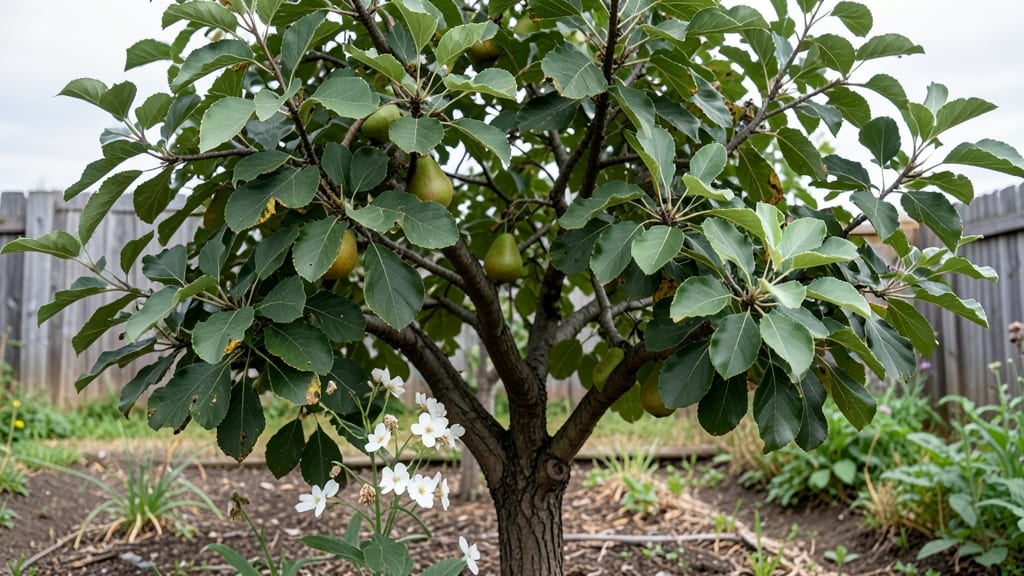
Planting Bosc pear trees gives you crisp, golden fruit and stunning fall foliage with less fuss than most fruit trees. 🌟 I’ve grown them for years, and their minimal pruning needs make them perfect for gardeners who want beauty without the constant upkeep.
The secret lies in their natural shape—they grow upright with sturdy branches that hold fruit well, so you spend more time admiring them than hacking them back.
These trees thrive in full sun to partial shade and well-drained soil, though they’re surprisingly adaptable once established. A single tree needs about 15 feet of space to spread, but they’re compact enough for smaller yards.
The real magic happens in late summer when the fruit ripens—juicy, sweet, and perfect for fresh eating or baking. Plus, their glossy green leaves turn a fiery red in fall, extending your garden’s show long after harvest.
Pruning is simple: just remove dead wood in winter and thin out crowded branches in late winter or early spring. This keeps the tree open for airflow and sunlight, reducing disease risks.
With proper care, a Bosc pear tree can produce fruit for decades, rewarding patience with a bountiful harvest year after year. The first harvest is the sweetest—literally.
They’re also disease-resistant compared to other pears, so you’ll spend less time spraying and more time enjoying the fruit. Whether you’re a beginner or a seasoned gardener, Bosc pears deliver low-maintenance beauty and a taste of summer in every bite. Ready to grow one?
📚 In This Guide
- What you need
- Instructions
- Tips and common mistakes
- Wrapping up and next steps
What you need
- ● Bosc Pear Tree: Choose between a bare-root sapling (best for fall planting) or a container-grown tree (for year-round planting). Size: 3–5 ft tall.
- ● Planting Site: Full sun (6+ hours/day) 🌞
- ● Well-draining soil (pH 6.0–7.0)
- ● Space: 15–20 ft apart (or 25+ ft for dwarf varieties).
- ○ Soil Amendments (Optional but Helpful): Compost (1–2 bags, 5–10 lbs each)
- ● Organic matter (e.g., peat moss or aged manure)
- ● Tools: Shovel or trowel
- ● Garden gloves
- ● Pruning shears (sterilized)
- ● Watering can or hose (with adjustable nozzle)
- ● Pruning: Lightweight, sharp shears for minimal shaping (Bosc pears need little pruning!).
- ● Fertilizer: Balanced organic fertilizer (10-10-10 or similar) once in early spring.
- ● Mulch: 2–3 inches of organic mulch (e.g., wood chips) to retain moisture.
- ● Pest Control (Preventative): Neem oil spray (for aphids or mites)
- ● Hose with strong stream (to dislodge pests)
- ● Drip irrigation system (for drought-prone areas)
- ● Tree ties or stakes (if planting in windy locations)
- ● Fruit thinning shears (if you plan to harvest pears)
- ● Cold frame or row cover (for early spring frost protection)
How to plant and care for Bosc pear trees
These elegant trees deliver crisp fruit and stunning foliage with surprisingly little effort.
🌱 Step 1: Choose the Perfect Planting Site
Bosc pears thrive in full sun—select a spot that gets at least 6-8 hours of direct sunlight daily. I always check the site in late afternoon when shadows are longest to confirm. The tree needs well-draining soil with a pH between 6.0-7.0 (test your soil if unsure). Avoid low areas where water pools after rain.
Dig a hole twice as wide as the root ball but only as deep as the container's base. Loosen the sides of the hole with a shovel to encourage root spread. If your soil is heavy clay, mix in 2-3 inches of compost from the ingredients list to improve drainage. This ensures roots won't suffocate in compacted soil.
🪴 Step 2: Plant Your Bosc Pear Tree
Gently remove the tree from its container and loosen any circling roots with your fingers. Place it in the hole so the top of the root ball sits 1-2 inches above ground level—this prevents water from pooling at the stem. Fill around the roots with native soil, pressing lightly to remove air pockets.
Create a watering basin by mounding soil 2-3 inches higher than the surrounding area. This directs water straight to the roots where it's needed most. Water deeply right after planting to settle the soil and eliminate air gaps. You'll know it's right when water drains evenly without pooling.
☀️ Step 3: Establish Proper Watering Routine
Water your Bosc pear tree deeply 2-3 times per week during the first year, providing 10-15 gallons total per watering session. Check moisture by sticking your finger 2 inches into the soil—if it feels dry, it's time to water. Avoid shallow watering that encourages weak, surface roots.
After the first year, reduce to once every 1-2 weeks depending on rainfall, but always water deeply. Mulch with 3-4 inches of organic mulch around the base (keeping it 6 inches away from the trunk) to retain moisture and regulate soil temperature. This prevents extreme temperature swings that stress young trees.
✂️ Step 4: Prune for Structure and Health
Bosc pears need minimal pruning—focus on removing dead, diseased, or crossing branches in late winter or early spring before buds swell. Use sterilized pruning shears to make clean cuts just outside the branch collar. Never leave stubs, as they invite disease.
Shape the tree by opening the center to allow sunlight and air circulation. Aim for a vase-like shape with a strong central leader. Prune no more than 25% of the tree's canopy in any one year. You'll see stronger growth and better fruit production when branches receive proper airflow.
🌿 Step 5: Fertilize for Optimal Growth
Apply balanced 10-10-10 fertilizer in early spring when new growth begins, using 1/4 pound per inch of trunk diameter. Spread evenly in a 6-inch wide band around the drip line. Water thoroughly after applying to activate the granules. This provides essential nutrients without overwhelming young roots.
In late summer, switch to a low-nitrogen, high-potassium fertilizer (like 5-10-10) to encourage fruit development. Avoid fertilizing in fall—new growth won't harden off before winter, making the tree vulnerable to cold damage. You'll notice stronger stems and higher yields when timing matches the tree's natural growth cycles.
Tips & tricks for perfect Bosc pear trees
Here's what I've learned from years of growing these beautiful trees—small details that make all the difference between a struggling plant and a thriving one.
Sunlight Secret: That 6-8 hours of sunlight is non-negotiable, but here's the trick: position your tree where it gets morning sun and afternoon shade if you live in a hot climate. The intense afternoon sun can scorch young leaves. I've seen trees in full sun all day struggle in summer heat, while those with partial afternoon shade thrive.
Root Ball Placement: When planting, that 1-2 inch elevation above ground level is crucial—it prevents water from pooling at the stem, which can cause rot. I like to create a slight mound of soil around the edges to further encourage water runoff. This small adjustment has saved me from losing trees to stem rot in rainy seasons.
Watering Wisdom: The 2-3 times per week rule works for most climates, but adjust based on your soil type. Sandy soil drains faster, so you might need to water more frequently, while clay soil holds moisture longer. Always check that 2-inch soil depth—if it's dry, water more often. Overwatering is just as damaging as underwatering for these trees.
Pruning Precision: When shaping your tree, focus on creating that vase-like shape by removing branches that grow inward. I like to use the "one-third rule"—never remove more than one-third of the canopy in any single pruning session. This keeps the tree healthy while encouraging new growth where you want it.
Pro Tips for Bosc Pear Trees
- Here's what I've learned from years of growing these beautiful trees—small details that make all the difference between a struggling plant and a thriving one.
- Sunlight Secret: That 6-8 hours of sunlight is non-negotiable, but here's the trick: position your tree where it gets morning sun and afternoon shade if you live in a hot climate.
- Root Ball Placement: When planting, that 1-2 inch elevation above ground level is crucial—it prevents water from pooling at the stem, which can cause rot.
Frequently asked questions
Got questions about growing Bosc pear trees? You’re in the right place! Here are answers to the most common queries—from planting to harvest—so you can enjoy these stunning, low-maintenance trees with confidence.
How long does it take for a Bosc pear tree to bear fruit?
A newly planted Bosc pear tree typically takes 3–5 years to produce its first fruit, depending on climate and care. Patience pays off—once established, these trees reward you with juicy, sweet pears for decades! For faster results, choose a grafted tree (already bearing fruit) or provide optimal growing conditions.
When is the best time to plant a Bosc pear tree?
The ideal time to plant is late fall or early spring (before buds swell). This gives roots time to establish before summer heat or winter frost. Avoid planting in extreme heat—young trees need moisture to thrive. Pro tip: Amend soil with compost and water deeply after planting to reduce transplant shock.
Can Bosc pear trees grow in containers, or do they need a yard?
While Bosc pears prefer full sun in a yard, dwarf varieties (like ‘Hooded’ or ‘Patten’) can thrive in large containers (20+ gallons) for patios or small spaces. Use well-draining soil and repot every 2–3 years. Note: Container trees may fruit slightly later but still yield delicious pears with proper care!
Why aren’t my Bosc pears ripening on the tree?
Pears need full sun (6+ hours/day) and consistent moisture to ripen. Common culprits:
Standard Bosc trees need 15–20 feet of space (spread and height), while dwarf varieties require 8–10 feet. Overcrowding leads to poor airflow, increasing disease risk (like fire blight). Space trees 10–15 feet apart in rows for optimal growth and fruit production. Pro tip: Prune annually to maintain shape and airflow!
Harvest when pears soften slightly and detach easily from the stem—then let them ripen indoors!
How much space do Bosc pear trees need to avoid overcrowding?
Wrapping up and next steps
Growing Bosc pear trees is a rewarding way to add year-round beauty and delicious fruit to your landscape—with minimal fuss! Their striking foliage, elegant shape, and low-maintenance pruning needs make them a dream for both novice and experienced gardeners.
Whether you’re drawn to their juicy, sweet pears or their ornamental appeal, these trees deliver effortless elegance and a bountiful harvest.
Ready to plant your own? Start by choosing the perfect spot, gathering your supplies, and taking that first step toward a thriving orchard. Your future self—and your taste buds—will thank you! 🌳🍐