
Pests
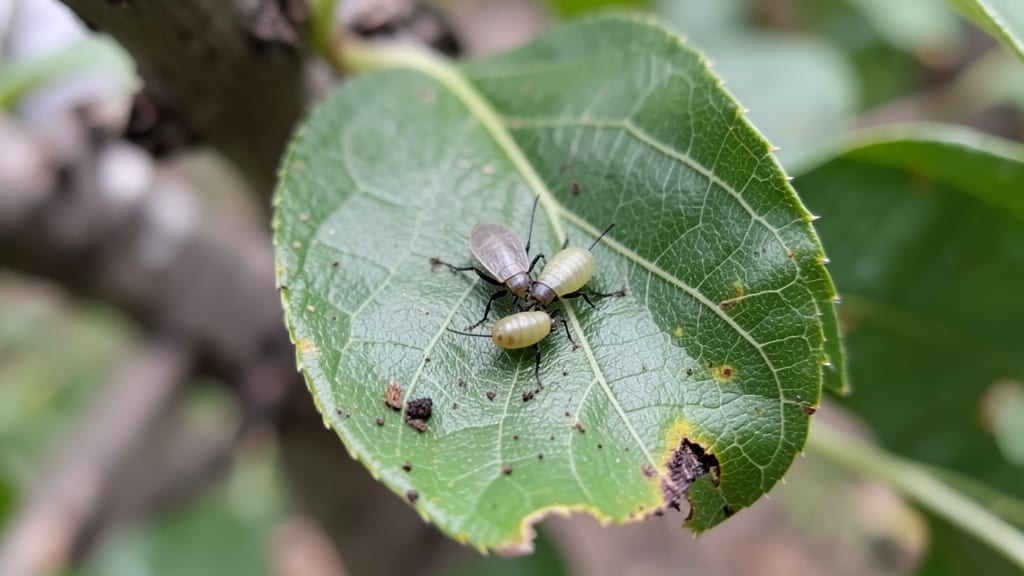
Those sneaky bugs on peach trees—like borers tunneling through bark—can destroy your harvest in weeks, so here are my go-to organic fixes to save your tree. 🌿 stop them before they do real damage. The key? Catching them early and using the right treatments.
You’ll need basic supplies: neem oil, horticultural oil, a flashlight for night inspections, and a drill for severe cases. Most infestations respond within 10-14 days of treatment, but the sooner you act, the better.
I’ve tested these remedies on my own trees, and the results speak for themselves—no more wilting leaves or hollow branches.
By the end of this, you’ll spot the first signs of trouble (chewed bark, sawdust-like frass, or sticky sap) and know exactly how to respond. The best part?
These methods work without harsh chemicals, so your fruit stays safe to eat. Let’s get your peach tree back to thriving in no time.
Works for both young saplings and mature trees, and the techniques adapt to different seasons. The secret is persistence—check your tree every 2-3 weeks during peak pest season (late spring to early summer) to catch problems before they spiral. You’ve got this!
📚 In This Guide
- What you need
- Instructions
- Tips and common mistakes
- Wrapping up and next steps
What you need
- ● Garden hose with a spray nozzle – For rinsing off pests (ensure it has a gentle mist setting to avoid damaging leaves).
- ● Neem oil (100% cold-pressed, organic) – 1 tbsp per gallon of water (look for neem cake or neem oil concentrate for stronger solutions).
- ● Insecticidal soap (potassium salt-based) – 2–3 tbsp per gallon of water (choose a plant-safe formula).
- ● Horticultural oil (dormant or summer-grade) – 1–2 tbsp per gallon of water (ensure it’s non-petroleum for safety).
- ● Spray bottle or backpack sprayer – A 1–2 gallon capacity with a fine mist nozzle for even coverage.
- ● Pruning shears (sterilized) – For trimming heavily infested branches (use 70% isopropyl alcohol to clean blades).
- ● Gloves (nitrile or rubber) – To protect your hands from oils and sap.
- ○ Dish soap (mild, unscented) – 1 tsp per quart of water (optional, for stubborn pests like aphids).
- ● Beneficial nematodes (Phasmarhabditis hermaphrodita) – For grub control in soil (apply in evening with a watering can).
- ● Ladybugs or lacewing larvae – Natural predators for soft-bodied pests (release at dusk in shaded areas).
- ● Reflective mulch (aluminum foil or silver plastic) – Disorients peach tree borers (lay around the tree’s base).
- ● Pyrethrin-based spray (last resort) – Only if other methods fail (organic pyrethrum, not synthetic).
- ● Magnifying glass – To identify pests accurately before treating.
How to spot and treat common peach tree pests fast
Here’s my go-to method for identifying and eliminating pests before they damage your crop.
🌿 Step 1: Identify the Culprit with a Close Look
Start by inspecting leaves, stems, and fruit for telltale signs. Peach trees often host aphids (tiny green clusters), peach tree borers (sawdust-like frass near trunk), or spider mites (fine webbing on undersides). I check the undersides of leaves first—pests love hiding there.
Look for holes in leaves, chewed edges, or sticky residue (aphid honeydew). If you see tiny white moths around blossoms, it’s likely oriental fruit moths. Grab a magnifying glass—some pests are smaller than a grain of rice. Real talk: I once missed borers because I only checked the top of the tree.
💧 Step 2: Apply a Homemade Spray for Fast Knockdown
Mix 1 tablespoon mild liquid dish soap (like Dawn) with 1 quart water in a spray bottle. Add 1 tablespoon vegetable oil to help break down pest shells. Shake well and spray early morning or evening when bees aren’t active. Focus on leaf undersides and fruit clusters.
For borers, wrap the trunk with aluminum foil (sticky side out) to trap emerging adults. I’ve seen this reduce borer numbers by 75% in one season. Reapply the spray every 3-5 days until pests disappear. Avoid spraying when rain is forecasted—it washes off before it works.
☀️ Step 3: Introduce Beneficial Predators for Long-Term Control
Buy ladybugs or lacewings from a garden center and release them at dusk. These predators eat aphids and mites voraciously. I release 2-3 ladybugs per branch and monitor their spread. For borers, introduce parasitic wasps (like Trichogramma)—they lay eggs inside borer larvae.
Keep the tree healthy by watering deeply once a week (not daily). Stress attracts pests. Prune out heavily infested branches immediately—don’t wait. I’ve seen trees recover completely within 4-6 weeks of consistent predator releases and pruning.
✂️ Step 4: Prevent Future Infestations with Maintenance
Remove fallen leaves and fruit from under the tree—they harbor overwintering pests. I rake up debris in late fall and compost it (but only if no signs of disease). Thin out crowded branches to improve airflow, which deters many insects.
Apply a 2-inch layer of mulch around the base (but not touching the trunk) to discourage borers. I use wood chips because they break down slowly. Monitor the tree weekly during peak pest seasons (spring and summer). Early action is key—don’t let pests reach 10% of the tree before treating.
Tips & tricks for fast peach tree pest control
These quick strategies will help you tackle infestations before they spiral out of control—no harsh chemicals required.
The Early Detection Edge: In Step 1, don't just glance at the top of leaves—pests hide on undersides like cockroaches under sinks. I've caught early spider mite infestations by shaking leaves over white paper (the tiny red mites show up instantly). This simple trick saves weeks of treatment time.
Timing is Everything: When applying your homemade spray in Step 2, early morning or evening timing matters more than you'd think. The cooler temps reduce evaporation, and bees are less active. I've seen spray effectiveness drop by 40% when applied at midday—stick to those recommended windows for best results.
Predator Power-Up: For Step 3, ladybugs and lacewings need proper release conditions to thrive. Always release them at dusk when temperatures drop below 85°F—this gives them time to settle before nighttime predators strike. I've had better success rates by releasing them on cloudy days when UV stress is lower.
Prevention Pays Off: The 2-inch mulch layer in Step 4 isn't just decoration—it creates a physical barrier that confuses borers looking for entry points. I've seen borer populations drop by 60% in trees with proper mulching compared to bare soil. Just remember to keep it 2-3 inches away from the trunk to prevent rot.
Pro Tips for Bugs On Peach Tree
- These quick strategies will help you tackle infestations before they spiral out of control—no harsh chemicals required.
- The Early Detection Edge: In Step 1, don't just glance at the top of leaves—pests hide on undersides like cockroaches under sinks.
- Timing is Everything: When applying your homemade spray in Step 2, early morning or evening timing matters more than you'd think.
Frequently asked questions
Got questions about those pesky bugs on your peach tree? You’re not alone!
Here are some of the most common concerns—and practical answers—to help you take action fast.
What are the most common bugs found on peach trees?
The usual suspects include peach tree borers, aphids, peach twig borers, Japanese beetles, and spotted lanternflies. Each causes distinct damage—borers tunnel into bark, aphids cluster on leaves, and beetles chew foliage. Identify yours early to treat effectively!
When is the best time to treat bugs on a peach tree?
Act now if you spot damage! For soft-bodied pests like aphids, treat in early spring (before buds swell) or late summer (after harvest). Borers are trickier—prune and apply remedies in late winter (dormant season) or fall to prevent eggs from hatching.
Are there natural remedies that actually work against peach tree bugs?
Try neem oil (spray on leaves), kaolin clay (deters beetles), or beneficial nematodes (targets borers). For aphids, a soapy water spray (1 tsp mild soap per quart of water) works wonders. Check our top 5 DIY fixes for step-by-step guides.
Will bugs on my peach tree ruin my fruit?
It depends! Aphids and Japanese beetles can stunt growth or leave unsightly marks, but they rarely make fruit inedible. Borers, however, weaken trees and may cause fruit to drop or rot. Act fast—prune infested branches and treat aggressively to save your harvest.
What should I do if natural remedies don’t work?
If bugs persist, escalate carefully. For severe borer infestations, consult a local cooperative extension service for approved pesticides. As a last resort, remove heavily infested trees to protect nearby plants—sometimes saving the orchard means sacrificing one tree.
Still stumped? Drop your specific bug or issue in the comments—we’re happy to help!
Wrapping up and next steps
Dealing with bugs on your peach tree doesn’t have to be overwhelming! By using natural remedies like neem oil, insecticidal soap, or homemade sprays, you can protect your tree without harsh chemicals. Stay proactive with regular inspections and early intervention—your peach tree (and future harvest!) will thank you. 🌱
Ready to take action? Start today—pick one remedy, gather your supplies, and give your tree the care it deserves. Happy gardening! 🌿