
Propagation
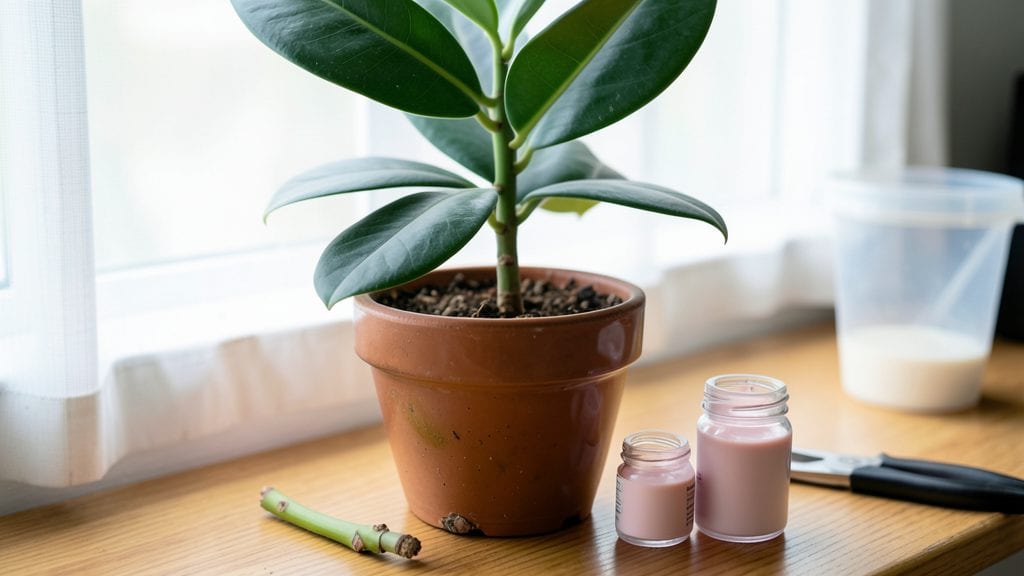
You can propagate a tree using methods like seed germination, grafting, or cutting propagation, each with unique success rates and requirements based on the species and your goals.
Tree propagation isn't just possible—it's a rewarding way to grow your own plants from scratch. 🌱 Whether you're working with seeds, cuttings, or grafting, the key lies in understanding each method's specific needs.
For example, hardwood cuttings from trees like willow root best in winter, while softwood cuttings from fruit trees thrive in spring. Grafting, often used for fruit trees, requires precision to ensure the scion and rootstock bond properly.
The right tools—like rooting hormones or humidity domes—can make all the difference in survival rates.
Success also depends on the species. Fast-growing trees like poplar or willow are easier to propagate from cuttings, while fruit trees often need grafting to preserve their variety. Patience is crucial, as some methods, like seed germination, can take months or even years to mature into a full-grown tree.
That said, the right approach can turn a small cutting or seed into a thriving tree with minimal effort.
💡 In This Article
- Tree Propagation Methods Explained
- Best Trees to Propagate and How to Succeed
Tree propagation methods explained
Tree propagation relies on biological processes that trigger growth from different plant parts. Seeds contain embryonic plants that require specific conditions—like consistent moisture and warmth—to break dormancy and sprout. For example, maple seeds need 60-90 days of cold stratification to germinate, mimicking winter conditions.
Meanwhile, cuttings work by encouraging roots to form from stem segments, often with the help of rooting hormones containing auxin, a natural plant growth regulator that promotes root development.
The timing and type of cutting matter greatly. Softwood cuttings (taken from new growth in spring) root faster for species like apple or pear, while hardwood cuttings (from dormant wood in late fall/winter) suit willow or dogwood.
Air layering, another method, involves wrapping a stem in moist sphagnum moss and plastic to stimulate root growth while still attached to the parent plant. This technique works best for large trees like ficus or rubber plants, where cutting the stem would be impractical.
Grafting, often used for fruit trees, joins two plants—called the scion (desired variety) and rootstock (hardy base)—to combine their strengths. The success rate hinges on matching cambium layers (the plant's growth tissue) and using compatible species.
For instance, a peach scion grafted onto an almond rootstock thrives because both belong to the Prunus genus. Rootstocks provide disease resistance or dwarfing traits, while scions deliver fruit quality.
Environmental factors like humidity, temperature, and light play critical roles. A humidity dome over cuttings maintains 80-90% humidity, preventing desiccation, while grafting requires a clean, sterile environment to avoid infection.
Seasonal timing is non-negotiable—spring is ideal for most cuttings, while grafting is best done during the tree's active growth phase, typically late winter or early spring.
Rooting hormones, often containing 0.8% indole-3-butyric acid (IBA), can double success rates for difficult species like olive or citrus. These hormones mimic natural signals that trigger root formation. For seeds, scarification (scratching the seed coat) or soaking in warm water for 12-24 hours can break dormancy.
Each method has trade-offs: seeds take years to mature, cuttings offer faster results but require skill, and grafting ensures genetic consistency but demands precision.
What most people overlook is the role of mycorrhizal fungi—beneficial soil microbes that form symbiotic relationships with roots, enhancing nutrient uptake. Adding mycorrhizal inoculant to rooting medium can boost survival rates by 30-50% for cuttings and seedlings. This natural partnership is why wild-grown trees often outperform nursery-propagated ones.