
Trees
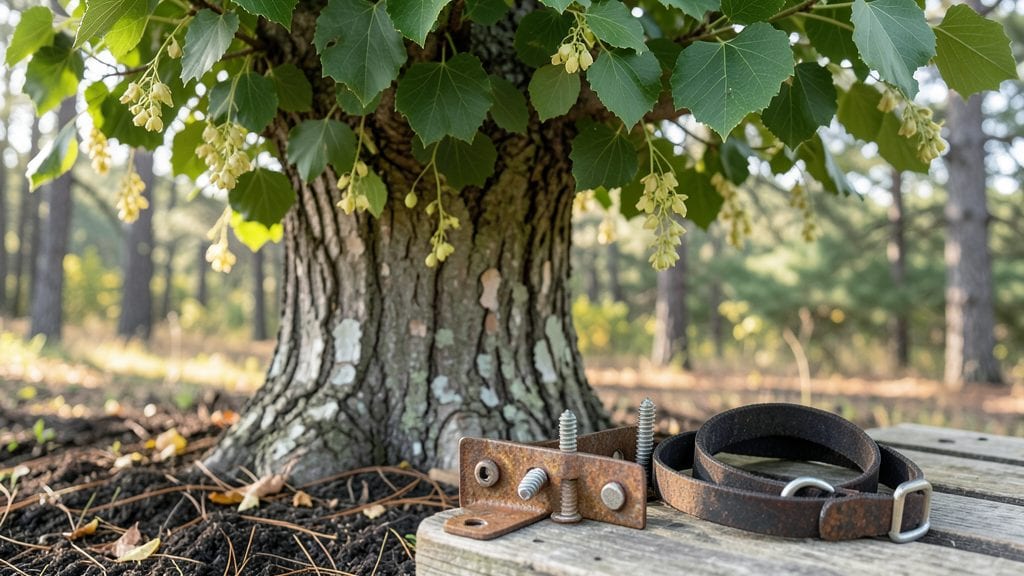
You can screw into a tree with the right screws, tools, and techniques, but success depends on tree species, moisture levels, and wood hardness. Use lag screws for hardwoods like oak or deck screws for softer woods like pine, pre-drilling holes to prevent splitting. Avoid wet or rotting wood, and opt for treated screws to prevent corrosion over time.
Tree wood varies dramatically in density and moisture content, which directly impacts how screws hold. 🌳 For example, hardwoods like oak or maple have Janka ratings above 1,200 lbf, making them ideal for heavy-duty lag screws, while softwoods like pine (around 800 lbf) work best with deck screws.
Always check for moisture—wet wood expands and contracts, loosening screws over time. I recommend using a moisture meter before drilling to avoid costly mistakes, especially in outdoor projects where seasonal changes affect wood stability.
Pre-drilling pilot holes is non-negotiable, as it prevents wood from splitting—a common issue with brittle hardwoods. For added security, I combine screws with wood glue or plastic anchors in softer woods, which creates a stronger bond.
If you're attaching something heavy, like a swing set or trellis, consider using multiple screws spaced evenly to distribute weight and reduce stress on the tree. Seasonal timing also matters: spring and early summer offer the best conditions, as winter-frozen or summer-dry wood can behave unpredictably.
💡 In This Article
- Choosing Screws and Tools for Tree Wood Types
- Best Practices for Screwing Into Trees Safely
Choosing screws and tools for tree wood types
The key to screwing into trees lies in understanding their wood properties. Hardwoods like oak, maple, or hickory have Janka hardness ratings between 1,200-1,800 lbf, meaning they require heavy-duty screws with coarse threads to grip effectively.
These dense woods resist splitting but demand pre-drilling with pilot holes 1/32" smaller than the screw shank diameter to prevent cracking. For example, a 1/4" lag screw needs a 3/32" pilot hole in oak.
Softwoods like pine, cedar, or fir have lower Janka ratings (350-800 lbf) and softer grain patterns, making them ideal for deck screws or self-tapping screws. These woods absorb moisture more readily, so galvanized or stainless steel screws prevent corrosion.
Moisture content above 20% weakens screw hold—always test with a moisture meter before drilling. For outdoor projects, I recommend stainless steel deck screws for pine, as they resist rust despite seasonal moisture fluctuations.
Your toolkit should include a cordless drill with variable speed (for precise control), a pilot bit set (matching screw sizes), and clamps to stabilize the tree during drilling. For hardwoods, use a lag screw with square drive (like GRK Fasteners) paired with a washer to distribute pressure.
In softwoods, self-tapping deck screws (like Spax) eliminate the need for pilot holes entirely, though pre-drilling still prevents splitting.
Tree species also dictate screw length—hardwoods need 2-3" screws for secure hold, while softwoods may require 3-4" screws due to their less dense structure. Evergreens like cedar have natural oils that make screws harder to grip, so I recommend coarse-thread screws with 20-24 threads per inch.
Deciduous hardwoods like maple benefit from fine-thread screws (16-18 threads per inch) for tighter holds.
Moisture plays a hidden role here: Wet wood swells, increasing screw resistance, while dry wood shrinks, loosening holds. The ideal moisture range for drilling is 12-18%. For long-term outdoor projects, I combine screws with polyurethane wood glue in the pilot hole—this creates a mechanical lock that resists seasonal expansion.
Always avoid sapwood (the outer layer) and heartwood near the center, as these areas have different densities and moisture retention.
Pro tip: If you're working with a young tree, use tree-friendly screws (like those from Treehouse Screw Co.) designed to minimize damage. These screws have reduced thread depth and rounded tips to prevent bark tearing.
For older trees, consider lag shields to protect the cambium layer—this living tissue is crucial for tree health and heals poorly from drilling wounds.