
Trees
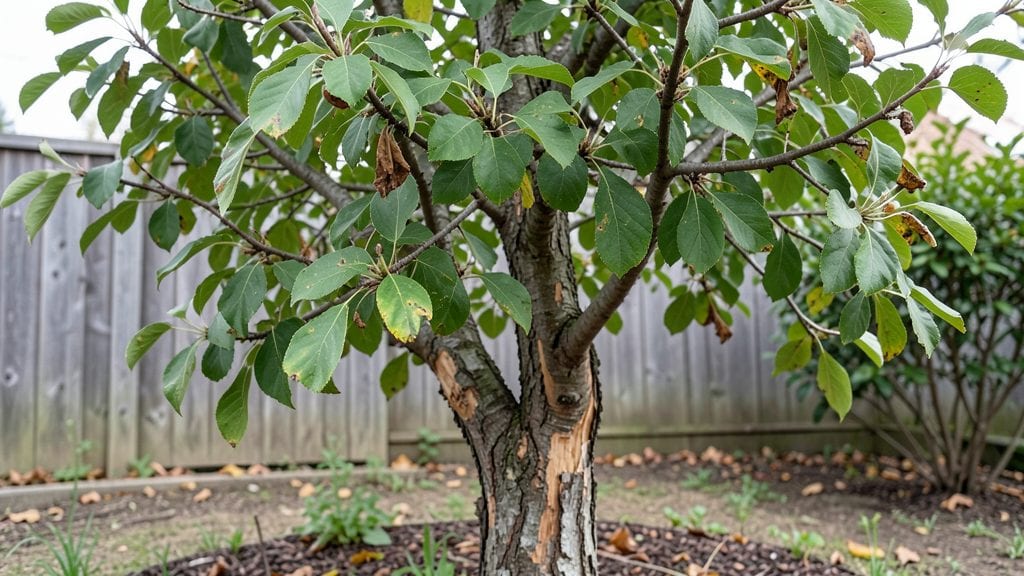
Those mysterious dark spots on your cherry tree leaves signal common cherry tree problems—and if ignored, they’ll turn your spring blooms into a gardener’s nightmare. 🌿 I’ve watched leaf spot diseases transform vibrant foliage into a sad, spotted mess—and the good news is, catching it early means... you can still save your tree with the right natural remedies.
The problem usually starts with too much moisture, whether from rain, overhead watering, or poor airflow. Fungal spores thrive in damp conditions, and once they take hold, they spread quickly. But here’s the thing—most common cherry tree problems like powdery mildew or leaf spot don’t require harsh chemicals.
A mix of proper pruning, copper fungicide sprays, and even homemade baking soda solutions can turn things around.
By the time you notice brown edges or white powder on leaves, the tree is already fighting back. The key is acting fast: remove infected leaves, improve airflow with strategic pruning, and apply organic treatments before the disease spreads to the fruit—or worse, the trunk.
Your tree can bounce back stronger than ever.
Whether you’re dealing with pests like borers or environmental stress from drought, the solutions are simpler than you think. Let’s get your cherry tree back to its healthy, productive self—no chemicals required.
Root Causes Behind Cherry Tree Struggles
Understanding why your cherry tree is underperforming starts with identifying the hidden triggers behind its distress. These issues often stem from environmental stress, biological threats, or poor growing conditions. Below, we break down the key culprits—and the science behind them—to help you diagnose the problem accurately.
Cherry trees thrive in moderate climates, but sudden shifts—whether freezing winters or scorching summers—can disrupt their growth cycles. Here’s how it happens:
- Winter Damage (Cold Stress): - When temperatures drop below 10°F (-12°C), cherry tree bark and buds can freeze, leading to bud death or cracked bark.
This prevents new growth in spring. - Why? Cherry trees (especially sweet cherries) lack the hardiness of native species like oak or maple.
Their vascular system (the tree’s plumbing) can rupture from ice formation in cells. - Actionable Sign: Look for blackened, shriveled buds in early spring or peeling bark after a harsh winter.
- Heat & Drought Stress: - Prolonged high temperatures (above 90°F/32°C) combined with low humidity cause water loss faster than roots can absorb it. - Why? Cherry trees have shallow root systems, making them prone to wilting and leaf scorch (brown, crispy edges).
Severe drought can trigger xylem cavitation, where air bubbles block water transport. - Actionable Sign: Wilting leaves that don’t recover when watered or premature leaf drop in summer.
Fungi and bacteria love damp, warm conditions—and cherry trees are a prime target. These pathogens invade weak spots, leading to diseases like: - Brown Rot (Monilinia spp.) – The #1 killer of cherry trees. - Why? The fungus spores overwinter in mummified fruit or cankers (sunken, dead bark).
When spring blooms appear, spores infect flowers and young fruit, causing them to turn brown and rot. - Actionable Sign: Blackened, shriveled fruit hanging on the tree or blossoms that drop prematurely.
- Canker Diseases (e.g., Bacterial Leaf Scorch)
- Why? Bacteria (like Pseudomonas syringae) enter through wounds (pruning cuts, storm damage) and clog the tree’s water vessels, causing leaf wilting and dieback.
- Actionable Sign: Dark, streaked leaves with yellowed edges and oozing cankers on branches.
- Powdery Mildew (Oidium spp.)
- Why? This fungus thrives in humid, shaded conditions, coating leaves in a white, powdery film that blocks sunlight, stunting growth.
- Actionable Sign: White dust on leaves (especially undersides) and stunted, curled new growth.
Pests drain nutrients and transmit diseases, weakening cherry trees over time.
The worst offenders: - Cherry Fruit Flies (Rhagoletis indifferens) - Why? Adult flies lay eggs in ripe cherries, and larvae feed inside the fruit, causing it to drop prematurely or rot. - Actionable Sign: Small holes in fruit with maggot-like larvae inside.
- Aphids & Spider Mites
- Why? These sap-sucking insects cluster on new shoots and leaves, injecting toxic saliva that causes yellowing (aphids) or fine webbing (mites).
- Actionable Sign: Sticky honeydew residue on leaves or silver-speckled foliage.
- Borers (e.g., Peach Tree Borer)
- Why? Larvae tunnel under bark, disrupting water and nutrient flow. Infested trees show sawdust-like frass (borer waste) at the base.
- Actionable Sign: Wilting branches despite healthy roots or small holes in bark.
Cherry trees are heavy feeders—they need balanced nutrients to fight stress. Common deficiencies: - Iron Chlorosis (Yellow Leaves with Green Veins) - Why? Alkaline soil (pH > 7.0) locks out iron, a critical nutrient for chlorophyll production.
Common in calcareous soils. - Actionable Sign: Bright yellow leaves (except veins) on new growth.
- Nitrogen Deficiency (Pale, Stunted Growth)
- Why? Low organic matter or over-pruning depletes nitrogen, leading to slow growth and weak branches.
- Actionable Sign: Pale green or yellow leaves with poor fruit set.
- Compacted or Waterlogged Soil
- Why? Poor drainage suffocates roots, causing root rot (fungal infection from Phytophthora). Cherry trees hate soggy feet.
- Actionable Sign: Mushrooms growing at the base or roots turning black/mushy when dug up.
- Over-Pruning or Wrong Timing
- Why? Cutting too late in summer (after June) encourages new growth that won’t harden before winter, making trees vulnerable to frost damage.
- Actionable Sign: Dieback at pruning cuts or weak, spindly branches.
- Mechanical Injury (Lawnmowers, Hail, Animals)
- Why? Scraped bark or broken branches create entry points for pests/diseases. Deer or rabbits girdle trees by chewing bark, strangling the tree’s flow of nutrients.
- Actionable Sign: Rings of missing bark or sawed-off branches at the base.
Before treating, rule out the cause with this quick test:
- Inspect leaves (top/bottom) for spots, webbing, or powdery film.
- Check bark for cracks, cankers, or borer holes.
- Dig near roots (6" deep) to test soil moisture and compaction.
- Shake branches over a white sheet—look for pests or frass.
- Compare growth to nearby healthy trees—is it lagging in buds, leaves, or fruit?
Quick Fixes for Common Cherry Tree Woes
Reviving a struggling cherry tree doesn’t have to be a mystery—many issues have straightforward, natural solutions. Below, we’ve mapped the most common cherry tree problems to practical fixes, so you can act fast and keep your tree thriving. Prevention tips are included to stop future headaches!
Signs: Dark spots, moldy growth, or leaf curling.
How to Treat It:
- 🔥 Prune Infected Branches
- Use sterilized pruners (wipe with rubbing alcohol) to cut off affected limbs at least 6 inches below the damage.
- Disinfect tools between cuts to prevent spreading spores.
- 🍳 Apply Organic Fungicide
- Mix 1 quart of milk + 1 gallon of water and spray on leaves (milk’s proteins fight fungi).
- For powdery mildew, try baking soda spray: 1 tbsp baking soda + 1 tsp soap + 1 gallon water.
- 🌡️ Improve Airflow
- Thin out dense branches to reduce humidity (fungi love damp conditions).
- Space trees 15–20 feet apart when planting new ones.
💡 Pro Tip: Water at the base (not overhead) to keep leaves dry. Early morning is best!
Signs: Holes in leaves, sticky residue ("honeydew"), or sawdust-like frass.
How to Treat It:
- 👨🍳 Homemade Sprays
- Neem oil spray: 1 tbsp neem oil + 1 tsp soap + 1 quart water. Spray every 5–7 days until pests vanish.
- Soap spray: 2 tbsp castile soap + 1 quart water. Test on a small leaf first!
- 🔪 Manual Removal
- Aphids: Blast off with a strong water spray (repeat weekly).
- Japanese beetles: Handpick into soapy water or use row covers during peak season (June–July).
- 🌿 Natural Barriers
- Beneficial nematodes (for grubs/borers): Apply to soil in spring/fall.
- Reflective mulch (aluminum foil around the trunk) deters beetles.
✨ Prevention Hack: Plant marigolds or garlic nearby—their scent repels pests naturally!
Signs: Pale leaves, stunted branches, or early leaf drop.
How to Fix It:
- 📊 Soil Test First
- Send a sample to a local extension office (costs ~$20). Cherry trees often lack iron, zinc, or nitrogen.
- 💪 Organic Amendments
- Iron deficiency? Sprinkle iron chelate granules around the root zone in early spring.
- Nitrogen boost? Use composted manure or fish emulsion (follow package rates).
- 🍎 Mulch Like a Pro
- Apply 3–4 inches of wood chips (not fresh wood) to retain moisture and slowly release nutrients.
- Keep mulch 6 inches away from the trunk to avoid rot.
🎯 Long-Term Tip: Top-dress with worm castings annually for slow-release fertility.
Signs: Broken branches, gnawed bark, or bark peeling.
How to Restore It:
- 🔪 Prune Safely
- Use three cuts for large branches:
- Undercut 6–12" from the branch collar.
- Top-cut outside the branch.
- Clean up the stub.
- Seal wounds with pruning sealant (only for cuts >2" wide).
- Use three cuts for large branches:
- 🐿️ Protect from Critters
- Rabbits/deer? Wrap the trunk with hardware cloth (bury 12" deep).
- Squirrels? Use tree guards or hot pepper spray (mix cayenne + water).
- 🌱 Encourage Healing
- Avoid fertilizing damaged trees for 6–12 months—they’re stressed!
- Water deeply but infrequently to strengthen roots.
🔥 Emergency Fix: If a branch is hanging but not broken, support it with zip ties to a nearby stake.
🌟 Remember: Early action is key! Most issues are 100% reversible with quick fixes and a little TLC. For persistent problems, consult a certified arborist—they’re like doctors for trees! 🌳💚
Frequently asked questions about cherry tree care
What causes black spots on cherry tree leaves?
Black spots are usually caused by fungal diseases like leaf spot or anthracnose, which thrive in wet conditions. Overhead watering or poor airflow between branches creates the perfect environment for spores to spread. Remove infected leaves immediately and apply a copper fungicide or homemade baking soda spray (1 tbsp baking soda + 1 tsp soap per gallon of water) to prevent further damage.
How do I know if my cherry tree has powdery mildew?
Powdery mildew appears as a white, powdery coating on leaves, especially on the undersides. It often starts on younger leaves and can cause them to curl or distort. Improve airflow by pruning dense branches and apply a neem oil spray (1 tbsp neem oil + 1 tsp soap per quart of water) every 7–10 days until the fungus clears. Planting marigolds nearby can also help deter future outbreaks.
Why are my cherry tree leaves turning yellow?
Yellow leaves usually indicate nutrient deficiencies, often iron chlorosis (yellow leaves with green veins) or nitrogen deficiency. Test your soil—cherry trees prefer slightly acidic soil (pH 6.0–7.0). If iron is lacking, apply iron chelate granules in early spring. For nitrogen, use composted manure or a balanced organic fertilizer. Mulch with wood chips to retain moisture and nutrients.
How can I protect my cherry tree from pests like borers?
Borers tunnel under the bark, causing wilting branches despite healthy roots. Look for sawdust-like frass (borer waste) at the base of the tree. Apply beneficial nematodes (like Heterorhabditis bacteriophora) to the soil in spring or fall, or wrap the trunk with hardware cloth to block pests. Prune and destroy infested branches immediately to stop the spread.
When is the best time to prune a cherry tree?
Prune dormant cherry trees in late winter or early spring (before buds swell) to avoid encouraging new growth that can’t harden before winter. For fruit-bearing varieties, prune again after harvest to improve airflow and sunlight penetration. Always use sterilized tools and make cuts just outside the branch collar to prevent disease entry. Never prune in fall—it leaves wounds vulnerable to winter damage.