
Trees
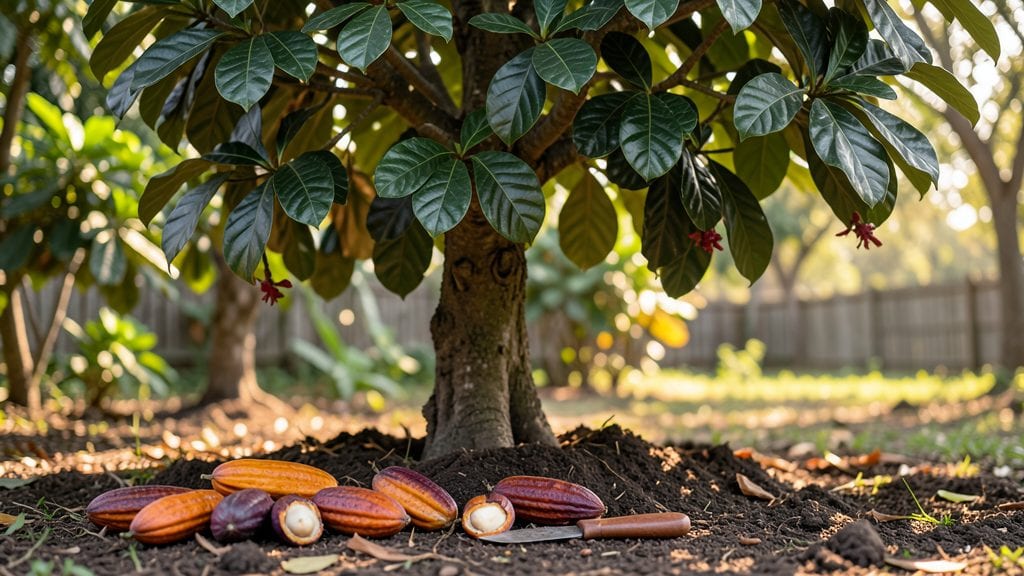
Chocolate's journey begins with the cocoa tree (Theobroma cacao), whose bitter, purple pods split open to reveal fermented beans that transform through drying, roasting, and processing into the rich confection we love. From pod to bar, the process includes harvesting, cleaning, and grinding beans into a paste called cocoa liquor, which is then refined into chocolate.
The cocoa tree thrives in tropical climates, where warm temperatures and high humidity create ideal conditions for its growth. 🌿 These pods take months to mature, and their flavor develops through careful fermentation—often handled by local communities.
Once harvested, the beans undergo drying and roasting, which unlock their signature chocolatey notes. This multi-step process explains why chocolate tastes so complex, despite starting from a simple tree fruit.
What's fascinating is how each stage—from pod ripening to roasting—impacts the final flavor. For example, beans fermented longer develop deeper, fruitier profiles, while shorter fermentation keeps them brighter and more acidic. 🔥 This is why some chocolates taste like berries or even wine!
💡 In This Article
- Cocoa Tree Growth and Pod Development
- Step-by-Step Cocoa Bean Processing for Homemade Chocolate
Cocoa tree growth and pod development
The cocoa tree (Theobroma cacao) thrives in tropical regions with 20-30°C (68-86°F) temperatures, high humidity (70-80%), and well-drained, slightly acidic soil (pH 5.0-6.5). These conditions mimic its natural habitat in the Amazon basin, where the trees grow up to 15-20 feet tall with broad, glossy leaves.
The tree's name—meaning "food of the gods" in Greek—hints at its sacred status among ancient Mesoamerican cultures who first cultivated it over 4,000 years ago.
Cocoa flowers bloom directly on the trunk and branches in dense clusters, requiring precise pollination. Since most cocoa trees are self-incompatible, farmers often hand-pollinate using tiny midges or soft brushes to transfer pollen.
After pollination, the flowers develop into elongated, 6-12 inch pods that turn from green to yellow, orange, or deep purple when ripe—each containing 20-50 beans nestled in a sweet, tangy pulp.
The pod's color isn't just decorative; it signals ripeness, with purple pods often yielding beans that develop richer, fruitier flavors during fermentation.
Environmental factors dramatically shape bean quality. Excessive rainfall during pod development can dilute the pulp's natural sugars, while inconsistent humidity leads to uneven fermentation.
Soil composition matters too: volcanic-rich soils in Ecuador produce beans with lower bitterness and higher acidity, ideal for milk chocolate, whereas West African beans (grown in nutrient-dense soils) have a more neutral profile perfect for dark chocolate.
Even the tree's age affects flavor—younger trees (5 years old) produce smaller pods with sharper, brighter notes, while mature trees yield larger pods with deeper, earthier undertones.
Harvesting requires skill. Workers use machetes or long knives to cut pods directly from the tree, avoiding damage to the delicate branches. Ripe pods are hand-selected by feel (they yield slightly when pressed) and taste (the pulp should be sweet and tangy).
Once harvested, pods are cracked open to reveal the beans and pulp. The beans' journey to chocolate begins immediately with fermentation, where enzymes break down compounds that would otherwise make the chocolate taste bitter and astringent—transforming the raw, harsh flavor into the complex, sweet profile we recognize.
What's often overlooked is how the pod's physical structure protects the beans. The thick, leathery pod acts as a natural barrier against pests and moisture, preserving the beans until processing.
Inside, the beans are surrounded by a white, mucilaginous pulp that contains 10-15% sugar—this pulp is what fuels the fermentation process, where yeast and bacteria work together for 5-7 days to develop the beans' signature chocolatey precursors.
Without this step, the final product would taste harsh and one-dimensional, proving that nature's timing is just as critical as human craftsmanship.
For those curious about growing cocoa at home, know that even small-scale cultivation demands patience. Trees take 3-5 years to bear fruit, and pods only appear after flowers bloom—so don't expect a harvest overnight!
The key to success lies in mimicking the tree's natural environment: use a well-draining potting mix, maintain high humidity with a greenhouse or frequent misting, and pollinate flowers manually. With care, you might just grow the first step toward making your own chocolate from tree to bar. 🌱