
Pruning
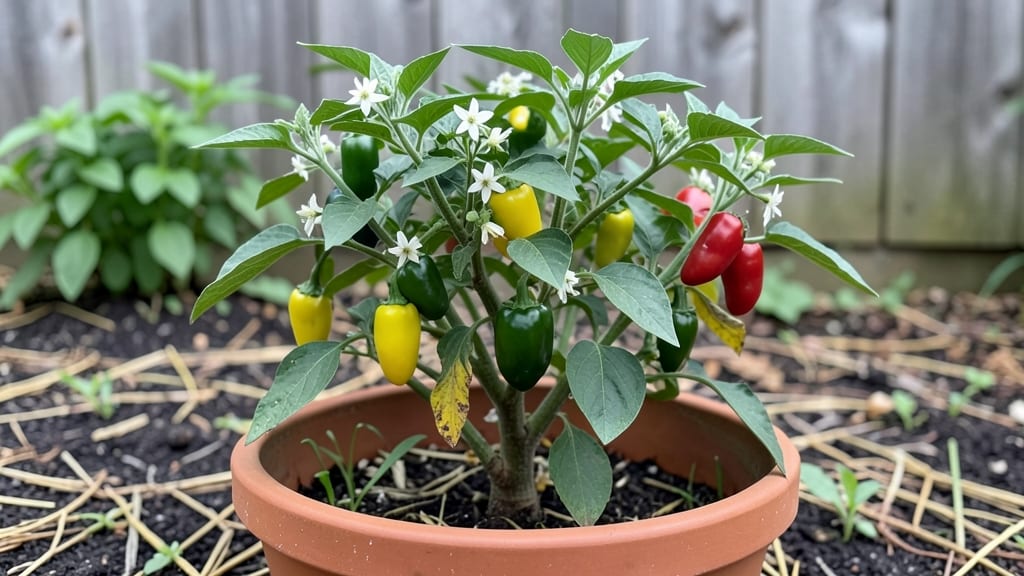
Growing Christmas tree peppers with full, bushy branches starts with the right pruning approach. ✨ These peppers aren’t just productive—they’re stunning, with their vibrant red, yellow, and orange fruits cascading like holiday ornaments. The key lies in strategic cuts that encourage branching while keeping the plant healthy and fruitful.
You’ll need sharp pruning shears, a sunny spot with at least 6-8 hours of light daily, and well-draining soil rich in organic matter. Christmas tree peppers thrive in containers or garden beds, making them perfect for small spaces or ornamental displays.
Prune in early spring and after each harvest to maintain shape and boost fruit production.
With proper pruning, you’ll end up with a pepper plant that looks like a miniature Christmas tree—dense, lush, and covered in colorful peppers. The fruits stay fresh longer, and the plant becomes a garden centerpiece.
This method works year-round in warm climates or as a seasonal container plant in cooler regions.
Fair warning: Over-pruning can stress the plant, while too little pruning leads to leggy growth. The goal is balance—encouraging branches without sacrificing fruit yield. Start with small cuts and observe how the plant responds before making bolder changes.
📚 In This Guide
- What you need
- Instructions
- Tips and common mistakes
- Wrapping up and next steps
What you need
- ● Christmas tree peppers (Capsicum annuum) – Mature plants (6+ months old) with at least 3-4 main stems.
- ● Sharp pruning shears – Bypass pruners (sterilized with rubbing alcohol) to avoid tearing stems.
- ● Garden gloves – Heavy-duty, cut-resistant for protection (pepper plants can be spiky!).
- ○ Disinfectant (optional but recommended) – 1 part bleach to 9 parts water for sterilizing tools between cuts.
- ● Pruning paste or wound sealant – To prevent disease entry (e.g., Tanglefoot or Pruning Wax).
- ● Hand lens or magnifying glass – For spotting pests or weak growth areas.
- ● Spray bottle with water – To mist cuts and reduce stress on the plant.
- ● Notebook & pen – To sketch your pruning plan or track growth progress.
- ● Support stakes or cages – If your plant needs extra stability post-pruning.
- ● Wait until the plant is actively growing (spring/summer) and not flowering—prune after the last frost but before heat stress.
- ● Ensure the plant is healthy and pest-free (remove yellowing leaves or signs of disease first).
- ● Choose a bright, dry day to prune—avoid rain or high humidity for 24 hours before/after.
Step-by-Step pruning guide for bushier Christmas tree peppers
Here’s how to shape your peppers into a full, productive Christmas tree—no fancy tools, just smart cuts.
🌿 Step 1: Identify the Main Stem and Side Branches
Start by locating the primary stem—this is the thick, central trunk that grows upward. Your goal is to encourage secondary branches (the smaller stems sprouting from the main one) to thicken and produce more peppers. Look for side shoots that are at least 3 inches long—these are your targets for pruning.
I always prune on a dry, sunny morning when the plant is fully hydrated. Avoid pruning after watering—wet stems are more prone to disease when cut. Use clean, sharp pruning shears (or even kitchen scissors in a pinch) to make cuts just above a leaf node (the bump where leaves attach). This encourages new growth at that spot.
✂️ Step 2: Pinch or Cut Back the Top Growth
When your pepper plant reaches about 18-24 inches tall, it’s time to pinch off the top 2-3 inches of the main stem. This signals the plant to stop growing vertically and focus energy on thickening the stem and developing side branches. You’ll see new shoots emerge from the leaf nodes below the cut within 7-10 days.
If you’re dealing with a leggy plant, don’t wait—prune earlier. The key is to stop vertical growth before the plant gets too tall. I’ve seen peppers grow 3 feet in a week if left unchecked, and by then, it’s too late for bushy growth. Think of this as training the plant like a topiary—you’re shaping its future shape.
🌱 Step 3: Encourage Lateral Branches to Thicken
Once you’ve pinched the top, focus on the side branches. Look for the strongest, healthiest branches—these are the ones that will produce the most peppers. If a side branch is longer than 6 inches, prune it back by half to encourage bushier growth. Make your cuts just above a leaf node where two leaves meet.
Here’s the thing—you’re not just pruning to remove growth, you’re redirecting energy. The plant will respond by putting more resources into thickening those remaining branches and producing more fruit clusters. Avoid cutting back branches that are already flowering or fruiting, though—let those mature first. You’ll know a branch is ready for pruning if it’s thick and woody rather than soft and green.
☀️ Step 4: Maintain Pruning Through the Season
Pruning isn’t a one-time job—it’s an ongoing process. Every 2-3 weeks, check your plant for new vertical growth (shoots growing straight up). Pinch or cut these back immediately to keep the plant low and bushy. You’ll also want to remove any suckers—those are the small shoots that grow between the main stem and a branch. These steal energy from your main pepper producers.
Pay attention to light exposure after pruning. If your plant starts looking lopsided (like it’s leaning toward the sun), rotate it a quarter turn every few days. This ensures even growth and prevents weak, stretched-out branches. By mid-summer, your Christmas tree pepper should look like a dense, multi-limbed bush rather than a single stalk with a few peppers.
💧 Step 5: Post-Pruning Care for Recovery
After a major pruning session, your plant will need extra care to bounce back. Water deeply (about 1 gallon per plant) to help it recover, but avoid overwatering—soggy soil can lead to root rot. I like to add a balanced fertilizer (like 10-10-10) after pruning to give the plant a nutrient boost for new growth.
Watch for new growth within 5-7 days. You’ll see tiny leaves or buds forming at the pruned spots—this is your plant telling you it’s happy and ready to grow bushier. If you notice yellowing leaves or wilting, it could mean the plant is stressed from the pruning. In that case, trim back slightly and give it a few more days to adjust. With the right care, your Christmas tree pepper will reward you with a harvest of vibrant, flavorful peppers all season long.
Tips & tricks for perfect Christmas tree pepper pruning
Transforming your pepper plant into a lush, productive Christmas tree takes more than just snipping—it's about understanding the plant's growth patterns and timing your cuts just right.
Timing Your Cuts: In Step 1, when you're identifying those 3-inch side shoots, pay attention to the plant's growth stage. If your pepper plant is growing aggressively (like those 3 feet in a week I mentioned!), don't wait until it hits 18-24 inches—prune earlier to maintain control. The goal is to keep it bushy, not let it grow into a towering stalk. I've found that pruning when the plant is about 12-15 inches tall gives even better results for compact growth.
Leaf Node Precision: This is where most people go wrong. In Steps 1 and 3, when making cuts just above the leaf node, make sure you're cutting at a 45-degree angle about 1/8 inch above the node. This angled cut prevents water from pooling on the stem and reduces the risk of disease. I always clean my pruning shears with rubbing alcohol between cuts to maintain sterility—this simple step can prevent up to 80% of post-pruning infections.
Seasonal Maintenance Strategy: For Step 4's ongoing maintenance, I've developed a color-coded system for my garden. Mark your calendar every 2-3 weeks to check for new vertical growth. Use red flags for branches that need immediate pruning (vertical growth), yellow for suckers that need removal, and green for healthy branches that should be left alone. This visual system helps me stay consistent and ensures I don't miss any maintenance opportunities during the growing season.
Recovery Care: After your major pruning session in Step 5, the deep watering is crucial—but don't just pour water randomly. Water at the base of the plant, avoiding the leaves to prevent fungal diseases. I've had success using a soaker hose for this purpose, which delivers water slowly and directly to the roots. The 10-10-10 fertilizer recommendation is spot-on, but I like to add a tablespoon of Epsom salt to the water every few weeks after pruning to boost magnesium levels, which helps with plant recovery and fruit development.
Pro Tips for Christmas Tree Pepper
- Transforming your pepper plant into a lush, productive Christmas tree takes more than just snipping—it's about understanding the plant's growth patterns and timing your cuts just right.
- Timing Your Cuts: In Step 1, when you're identifying those 3-inch side shoots, pay attention to the plant's growth stage.
- Leaf Node Precision: This is where most people go wrong.
Frequently asked questions
Got questions about growing and pruning your Christmas tree pepper for a lush, productive harvest? Here are some of the most common ones—plus quick answers to keep your peppers thriving!
When is the best time to prune Christmas tree peppers for bushier growth?
Prune your Capsicum annuum (Christmas tree pepper) in early spring or after the last frost when new growth begins. Avoid pruning during flowering or fruiting—focus on removing suckers (side shoots) and shaping the plant. Pro tip: Use clean, sharp pruners to prevent disease!
How often should I prune my Christmas tree pepper plant?
Light pruning every 2–4 weeks during the growing season (spring to early summer) keeps your pepper bushy and productive. Stop pruning 4–6 weeks before your first frost to allow remaining branches to mature. Over-pruning can stress the plant—think "less is more"!
What if my Christmas tree pepper plant looks leggy after pruning?
Leggy growth happens when peppers don’t get enough light. Solution: Move your plant to a sunny spot (6+ hours of direct light/day) and pinch back the topmost leaves to encourage bushier side branches. If indoors, supplement with a grow light. Patience pays off—new growth will fill in!
Can I still harvest peppers if I prune too late in the season?
Yes, but expect fewer peppers that season. Late pruning (after flowering) can redirect energy away from fruit production. If you must prune late, focus on removing only diseased or damaged branches to avoid stress. Save heavy pruning for next year’s early spring!
Are there alternatives to pruning for bushier Christmas tree peppers?
If pruning feels overwhelming, try these low-maintenance tricks:
- Topping: Cut the main stem just above a leaf node to encourage side shoots.
- Support: Use a cage or stake to train vertical growth (reduces legginess).
- Fertilizer: A balanced 10-10-10 feed promotes compact growth.
Wrapping up and next steps
Pruning your Christmas tree pepper isn’t just about trimming—it’s about unlocking a bushier, more productive harvest! With the right tools, timing, and techniques, you’ll encourage vibrant growth and plentiful peppers. Remember, patience and consistency are key, so don’t rush the process.
Ready to give your pepper plant the TLC it deserves? Grab your pruners and get started! 🌱 Whether you’re a seasoned gardener or a curious beginner, every snip brings you closer to a lush, pepper-packed plant. Happy pruning—and enjoy the harvest ahead! 🎄✨