
Fertilization
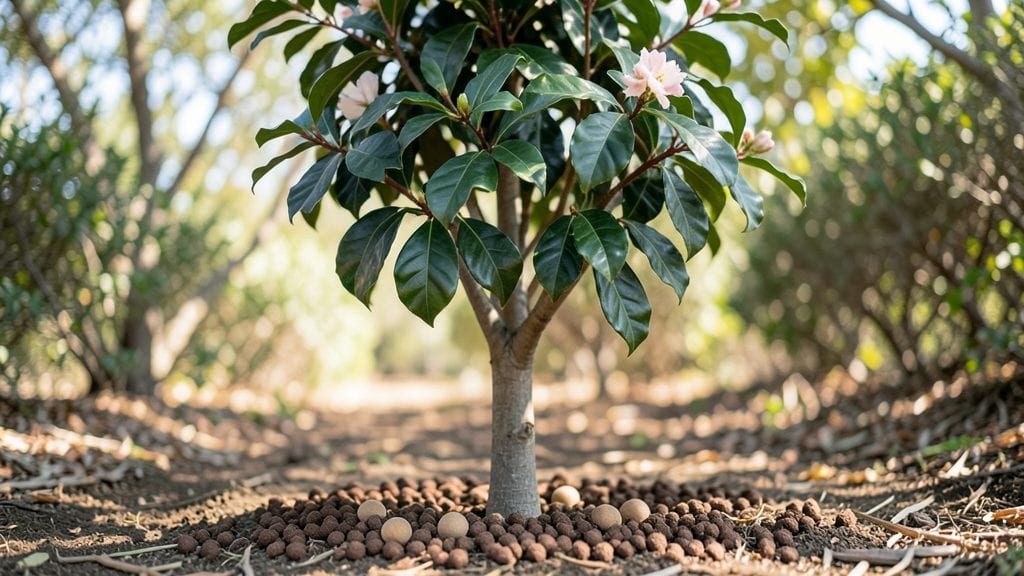
A nitrogen-rich fertilizer is the secret weapon for your coffee tree’s velvety leaves and fragrant blooms. 🌿 I’ve learned the hard way—skipping the right nutrients means weak growth and sparse harvests, no matter how much you water.
The key isn’t just any fertilizer, but the right balance of nitrogen, phosphorus, and potassium tailored to your tree’s stage.
For leafy vigor, organic options like coffee grounds or blood meal work wonders—just mix them into the top 2 inches of soil every 4-6 weeks. Synthetic blends with a higher nitrogen ratio (like 10-5-5) speed up results, but avoid overdoing it: yellowing leaves scream "too much nitrogen!"
The best time to feed is spring through early summer, right before the flowering rush.
You’ll notice the difference in just a few weeks: glossier leaves, bushier branches, and more blossoms setting up for next year’s harvest. Even my struggling Coffea arabica rebounded after switching to a targeted feeding schedule. The trick is consistency—don’t wait until the leaves start drooping to act.
Pro tip: Flush the soil with water after fertilizing to prevent salt buildup, and always water deeply first. Coffee trees hate soggy roots but love steady moisture—think of it as their daily latte. Let’s get those beans brewing!
📚 In This Guide
- What you need
- Instructions
- Tips and common mistakes
- Wrapping up and next steps
What you need
- ● Nitrogen-rich fertilizer: Choose a balanced fertilizer with a higher nitrogen (N) content, such as a 10-10-10 or 20-10-10 formula. Aim for 1-2 cups per application, depending on tree size.
- ● Organic compost: Well-aged compost (about 5-10 gallons) to enrich soil and provide slow-release nutrients.
- ○ Slow-release fertilizer (optional but recommended): Pellets or granules (e.g., Osmocote or Milorganite) for steady nutrient delivery.
- ● pH testing kit: To check soil acidity (ideal range: 6.0-6.5 for coffee trees).
- ● Watering can or hose: With a gentle spray nozzle for even distribution.
- ● Gloves and safety goggles: To protect your hands and eyes during handling.
- ● Garden trowel or small shovel: For mixing fertilizer into the soil.
- ● Measuring cup or scale: To ensure precise fertilizer amounts.
- ● Pruning shears (if needed): To trim dead or overgrown branches before fertilizing.
- ○ Mulch (optional): Pine bark or straw (2-3 inches thick) to retain moisture and regulate temperature.
- ● Sunny, well-draining location: Ensure your coffee tree is planted in partial shade with 6+ hours of sunlight daily.
Step-by-Step guide to fertilizing your coffee tree for optimal growth
Here's how to transform your coffee plant into a thriving, leafy powerhouse using science-backed nitrogen strategies.
🌱 Step 1: Understand Your Coffee Tree’s Nutritional Needs
Coffee trees thrive on a diet rich in nitrogen, which fuels that signature deep green foliage and vigorous growth. The key is balancing nitrogen with phosphorus and potassium—think of it as the 3-1-2 ratio (3 parts nitrogen, 1 part phosphorus, 2 parts potassium) that mimics their natural rainforest habitat. I always check my fertilizer label first; if it doesn’t list NPK values, it’s not the right choice for coffee plants.
Timing matters too. Young coffee trees (under 3 years old) need frequent feeding—every 4-6 weeks—while mature trees can handle a 3-month schedule. Over-fertilizing is a common mistake that burns roots and yellows leaves, so start conservatively. If your tree is already established but looking tired, it might just need a nitrogen flush to perk up.
💧 Step 2: Prepare the Soil and Apply Fertilizer Correctly
Before feeding, loosen the top 2-3 inches of soil around the tree’s drip line (the edge of the canopy’s shadow) with a fork. This aerates the roots so they can absorb nutrients efficiently. I avoid disturbing the roots directly—coffee trees hate root damage, and it stresses them for months. Mix ½ cup of balanced 10-10-10 fertilizer (from your supplies) into the loosened soil, then water deeply to help it dissolve.
For a nitrogen boost, I use 1 tablespoon of blood meal (pure organic nitrogen) per square foot of soil surface. Sprinkle it evenly under the canopy, then water again. The goal is to feed the root zone, not just the base. If you’re using slow-release granules, scatter them 6 inches from the trunk and rake lightly into the topsoil. Never pile fertilizer directly against the stem—it causes salt buildup that can kill the tree.
☀️ Step 3: Monitor Growth and Adjust Feeding
Watch for new leaf growth within 2-4 weeks—that’s your sign the fertilizer is working. Healthy coffee leaves are deep green, glossy, and leathery, with no yellowing or brown edges. If you see yellowing between veins, it’s a classic nitrogen deficiency. In that case, increase your nitrogen dose by 25% next feeding and reduce phosphorus/potassium to balance it.
Conversely, if leaves turn dark green with purple stems, you’ve overdone it. Cut back to half the recommended dose and flush the soil with 3 gallons of water to leach out excess salts. I always keep a growth journal—note leaf color, new shoots, and any wilting. Coffee trees are sensitive; they’ll tell you exactly what they need if you pay attention.
✂️ Step 4: Maintain Soil Health Between Feedings
Coffee trees love moist, slightly acidic soil (pH 6.0-6.5). After fertilizing, mulch with 2 inches of compost or wood chips to retain moisture and prevent weeds. I avoid synthetic mulches—they can alter soil pH over time. Every 6 months, test your soil’s pH and adjust with elemental sulfur (to lower pH) or lime (to raise it) if needed.
Prune lightly after feeding to encourage bushier growth. Remove dead or yellowing leaves first, then trim back overly long branches by ⅓ of their length. This redirects energy to new shoots. Never prune more than 20% of the tree at once—coffee trees are slow to recover from heavy cuts. I time my pruning for early spring, just before the first flush of new growth begins.
⏰ Step 5: Seasonal Adjustments for Year-Round Success
Spring and summer are high-growth seasons for coffee trees, so feed monthly with a nitrogen-heavy formula (like 12-4-8). In fall, switch to a balanced 10-10-10 to support root development over winter. I stop fertilizing entirely in deep winter (when temps drop below 50°F at night)—coffee trees go semi-dormant and won’t use nutrients effectively.
Here’s the thing—coffee trees are heavy feeders, but they’re also sensitive. If you notice new leaves curling or dropping, pull back on fertilizer and increase watering instead. A well-fed coffee tree should have steady, lush growth with no gaps in foliage. When you see white flower buds forming (usually in late summer), that’s your cue to reduce nitrogen and add phosphorus to encourage blooming.
Tips & tricks for perfect coffee tree fertilizing
Transforming your coffee tree into a lush, fragrant beauty takes more than just following the steps—it's about understanding the subtle cues your plant gives you. Here's what I've learned after years of nurturing these sensitive trees.
The Right Soil Texture Matters: When you loosen the top 2-3 inches of soil in Step 2, focus on creating a spongy texture rather than breaking up large clumps. Coffee tree roots prefer well-aerated soil that mimics their natural forest habitat. I use a fork to gently fluff the soil around the drip line, being careful not to pierce the roots themselves. Think of it as creating tiny air pockets where roots can breathe and access nutrients efficiently. The goal is to work the soil to a depth where your fork can slide in easily without resistance.
Seasonal Nitrogen Timing: In Step 5, the shift from monthly nitrogen-heavy feeding in spring/summer to balanced 10-10-10 in fall is crucial—but don't stop there. I've found that adding a light application of compost tea (made from well-aged compost) in early spring gives an extra nitrogen boost without risking over-fertilization. This mimics the natural nutrient flush coffee trees experience in their tropical environments. The key is to apply it when you see the first signs of new growth, usually when you notice small pink buds forming along the branches.
Visual Cues for Perfect Fertilization: In Step 3, when monitoring growth, pay attention to more than just leaf color. Healthy coffee leaves should have a slight sheen and feel firm to the touch. I learned this the hard way—once I over-fertilized and ended up with leaves that looked perfect but were actually soft and spongy, a sign of nutrient burn. Run your fingers along the leaf edges: they should feel slightly waxy, not brittle. If you see tiny brown spots between veins, that's your plant screaming for a flush with plain water to leach out excess salts.
Winter Care Strategy: When nighttime temperatures drop below 50°F, coffee trees enter a semi-dormant state where they barely use nutrients. This is when I switch to a completely different approach: I stop all fertilization and focus on protecting the roots. I add an extra 2 inches of mulch around the base (bringing the total to 4 inches) and water deeply but infrequently—only when the top inch of soil feels dry. This creates a natural insulating layer that prevents temperature fluctuations that can stress the roots during winter.
Pro Tips for Coffee Tree Fertilizer
- Transforming your coffee tree into a lush, fragrant beauty takes more than just following the steps—it's about understanding the subtle cues your plant gives you.
- 🌱 The Right Soil Texture Matters: When you loosen the top 2-3 inches of soil in Step 2, focus on creating a spongy t...
- Seasonal Nitrogen Timing: In Step 5, the shift from monthly nitrogen-heavy feeding in spring/summer to balanced 10-10-10 in fall is crucial—but don't stop there.
Frequently asked questions
Got questions about keeping your coffee tree thriving with the right fertilizer? Here are some of the most common concerns—plus straightforward answers to help you grow lush, fragrant leaves with confidence!
When is the best time to fertilize a coffee tree?
Fertilize your coffee tree before the growing season (early spring) and again mid-summer for a nitrogen-rich boost. Avoid fertilizing in winter when the tree is dormant—this can stress roots. For potted trees, feed every 4-6 weeks during active growth, but always water well first to prevent root burn.
What if my coffee tree’s leaves turn yellow after fertilizing?
Yellowing leaves often signal over-fertilization or poor drainage. Flush the soil with water to leach excess salts, then reduce fertilizer strength by half. Ensure the pot has drainage holes and use a balanced fertilizer (like 10-10-10) to avoid nitrogen overload. Yellowing can also mean iron deficiency—try a chelated iron supplement if needed.
Are organic fertilizers better than synthetic ones for coffee trees?
Both work, but organic options (like compost, worm castings, or fish emulsion) release nutrients slowly, mimicking natural conditions. Synthetic fertilizers (e.g., urea or ammonium sulfate) provide immediate nitrogen but require more frequent applications. For organic growers, alfalfa meal or blood meal are excellent nitrogen sources with added benefits like improved soil structure.
Can I use coffee grounds as fertilizer for my coffee tree?
Yes! Coffee grounds are a great organic amendment—they add nitrogen and improve soil acidity (coffee trees love pH 6.0–6.5). Mix 1 part grounds with 3 parts soil and work into the top inch of soil. Avoid piling fresh grounds directly on the roots, as they can mat and hinder drainage. For faster results, compost them first.
How often should I fertilize a mature coffee tree in the ground?
Mature trees (3+ years old) need less frequent feeding but benefit from 2-3 applications per year. Use a slow-release fertilizer (like osmocote) in early spring and again after harvest. For heavy producers, a light top-dressing of compost in late fall can replenish nutrients. Always follow the label’s guidelines—overdoing it leads to weak fruit and leaf burn.
What’s the ideal nitrogen-to-phosphorus-potassium (NPK) ratio for coffee trees?
Coffee trees thrive with a higher nitrogen ratio during growth (e.g., 3-1-2 or 4-1-2 NPK) to fuel leafy foliage. Switch to a balanced or phosphorus-heavy formula (e.g., 2-3-1) when flowering or fruiting begins. Avoid high-phosphorus fertilizers year-round—they can reduce nitrogen uptake and harm long-term growth.
Wrapping up and next steps
Choosing the right coffee tree fertilizer—especially one rich in nitrogen—is the secret to thriving plants with vibrant, fragrant leaves. Whether you opt for organic compost, balanced synthetic blends, or homemade tea fertilizers, consistency and proper application are key.
With the right nutrients, your coffee tree will reward you with lush growth and even better harvests!
Ready to give your coffee tree the love it deserves? Start by testing your soil this week, then pick a fertilizer that matches your tree’s needs. Happy gardening—your future brew awaits! ☕🌱