Size
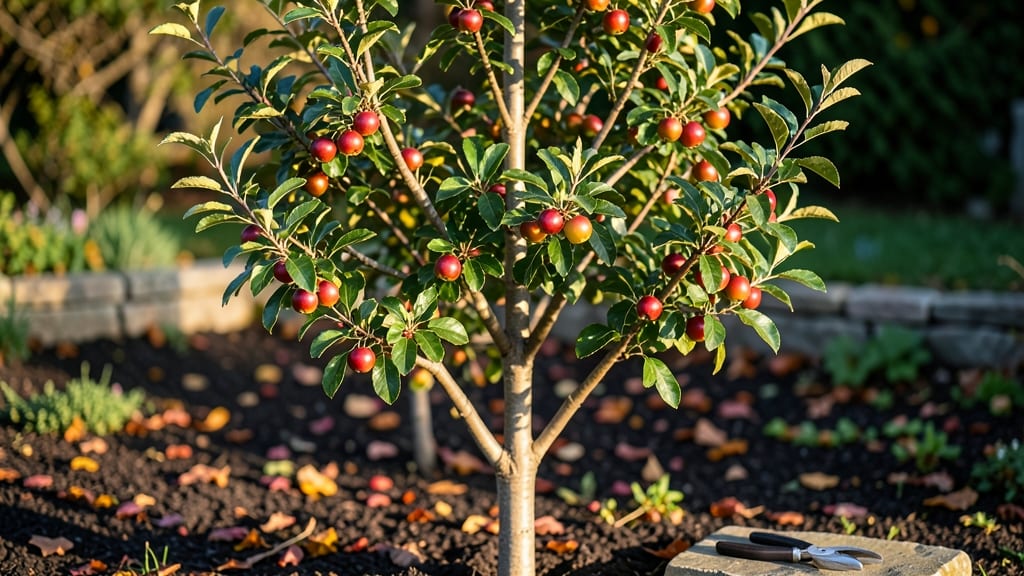
The growth rate of a crabapple tree 🌳 varies wildly—some reach 10 feet in their first three years, while others take a decade to mature.
If you're dreaming of a stunning crabapple tree in your yard but wondering how quickly it will grow, you're not alone. Planning your landscape around its pace means knowing whether to plant it near the patio (fast growers) or give it room to sprawl (slow varieties).
Most crabapple trees grow 2 to 3 feet per year in ideal conditions, but soil quality, sunlight, and even your pruning habits can double—or halve—that rate. The key lies in choosing the right variety for your space and climate.
Below, I’ll break down the fastest and slowest growers, how to read your tree’s growth signals, and the simple tweaks that keep it thriving year after year.


Crabapple tree growth rate by age: height expectations for fast and slow varieties
Crabapple trees are prized for their vibrant blooms and ornamental fruit, but their growth rates vary dramatically between varieties.
Understanding these differences helps you choose the right tree for your space and timeline. Fast growers like 'Adirondack' can reach 15 feet in 5 years, while slower varieties like 'Dolgo' may take 10 years to mature. Planning ahead ensures your tree thrives without outgrowing its space.
Most crabapple trees enter their fastest growth phase between ages 3 and 7, gaining 2-4 feet annually. After 10 years, growth slows as the tree matures, focusing on fruit production and canopy expansion rather than height.
Knowing these stages helps with pruning and spacing decisions to avoid future headaches.
Variety selection is critical—some crabapples are bred for rapid growth, while others prioritize compact size or disease resistance. For example, 'Sargent' grows 1-2 feet per year, making it ideal for smaller yards, whereas 'Centennial' can surge 3-5 feet annually in perfect conditions.
Below is a growth comparison for popular varieties, broken down by age. Use this as your guide to predict your tree’s future size and plan accordingly.