
Trees
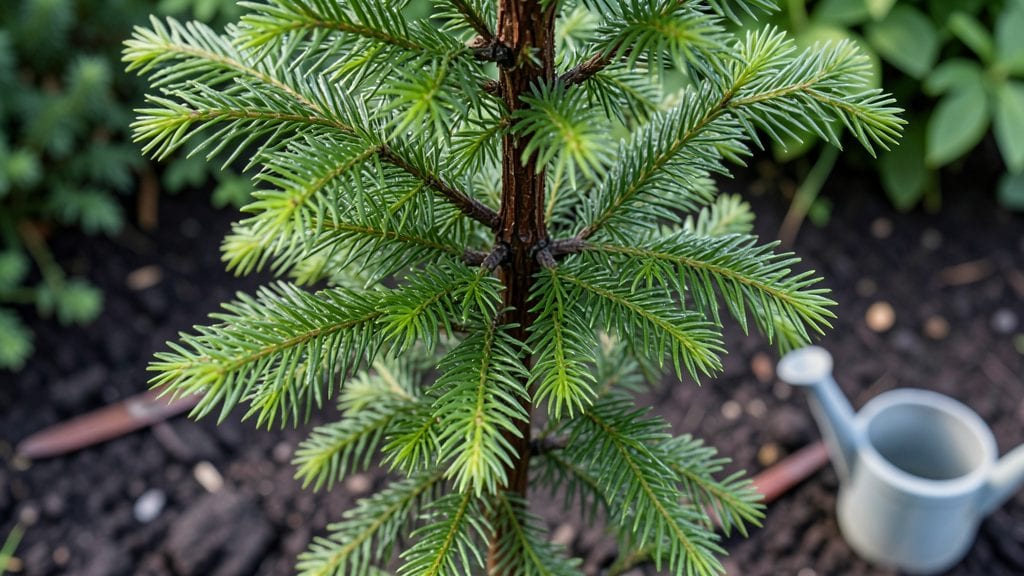
Deer trees near pools thrive in wet environments, recognizable by their smooth gray bark, compound leaves with 7-11 serrated leaflets, and golden fall foliage. Their preference for moist soil and glossy oval leaves makes them prime indicators for wildlife habitats.
These trees love damp areas because their roots need consistent moisture to anchor deeply. 🌿 In the eastern U.S., you'll often spot them near ponds, marshes, or even artificial wildlife pools where water tables stay high.
Their distinct leaf shape—with jagged edges and a slightly waxy finish—helps them stand out against other riparian species. What's fascinating is how their bark changes from smooth and silvery when young to deeply grooved as they mature, giving veteran trees a rugged character.
If you're creating a wildlife-friendly space, planting deer trees near water sources can attract local fauna. Their fall color shift from green to vibrant yellow creates a natural food source for birds and small mammals, while the dense canopy provides shelter.
Many gardeners use them as a focal point in landscape designs near ponds or streams, where their moisture-loving nature shines.
💡 In This Article
- Identifying Deer Tree Leaves and Bark Features
- Best Habitats for Spotting Deer Trees Near Water
Identifying deer tree leaves and bark features
The deer tree's leaves are compound structures with 7 to 11 leaflets arranged alternately along a central stem, creating a distinctive "fan" shape. Each leaflet measures 2 to 4 inches long with serrated edges that create a saw-tooth pattern when viewed under sunlight.
These serrations aren't uniform—they're more pronounced near the leaflet tips, giving them a slightly asymmetrical appearance. The leaflets themselves have a glossy finish on top and a lighter, almost waxy underside that helps reduce water loss in their preferred moist habitats. 🌿
Here's where things get fascinating: the bark of young deer trees is smooth and silvery-gray, almost metallic-looking when wet—a perfect adaptation for their water-loving nature. As the tree matures, this bark develops deep, vertical grooves that create a ridged texture resembling alligator skin.
This transition happens gradually, with trees under 10 years old maintaining their smooth bark while older specimens show pronounced ridges. The contrast between young and mature bark is one of the best ways to age these trees in the field.
Seasonal color changes are another key identifier. In spring and summer, the leaves appear deep green and slightly leathery, but as autumn approaches, they transform into a bright golden-yellow that stands out against surrounding foliage.
This color shift occurs because chlorophyll breaks down, revealing yellow pigments called xanthophylls that were present all along. Unlike some trees that turn red or orange, deer trees maintain this consistent yellow hue, making them reliable indicators of seasonal change in wetland areas. 🍂
To distinguish deer trees from lookalikes like black cherry or hackberry, focus on these three features: first, deer tree leaves have more leaflets (7-11) compared to black cherry's 5-9; second, the serrations on deer tree leaves are more pronounced and irregular than hackberry's rounded edges; and third, deer tree bark remains smooth longer than hackberry's early development of warty growths.
These differences become especially noticeable when comparing fresh samples side by side in early spring before full leaf-out.
The glossy leaf surface serves a dual purpose: it reflects sunlight to prevent overheating while also repelling water droplets, which helps maintain the tree's health in saturated soils. This adaptation explains why deer trees thrive near pools and other water features—their leaves are literally designed to handle moisture.
The serrated edges also create microenvironments that collect dew, providing additional hydration in their typically damp environments. 💧
What most people overlook is how the leaf arrangement changes with age. Young trees have leaves that grow directly from the stem, while mature specimens develop smaller side branches that create a layered, almost tiered appearance.
This architectural difference makes older deer trees particularly striking when viewed from a distance, especially when their golden fall foliage contrasts with surrounding vegetation. The combination of these visual cues—leaf structure, bark texture, and seasonal color changes—makes deer trees one of the most distinctive species in riparian ecosystems.