
Pests and Diseases
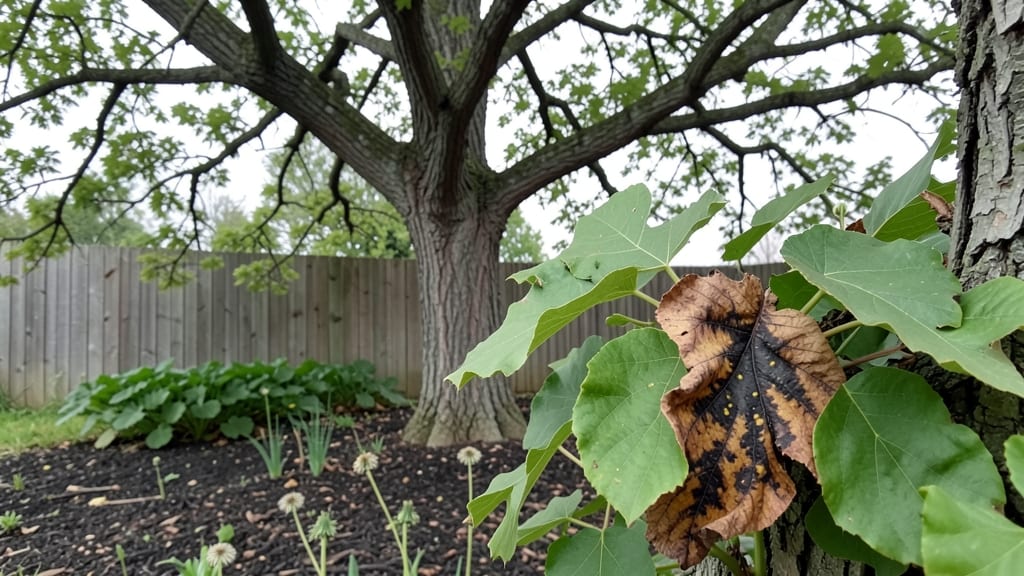
If you notice elm tree leaves disease creeping in as strange spots or yellowing patches, you’re likely facing a fungal blight that spreads fast if ignored—just like the neighborhood elms I’ve seen suffer. by summer.
The good news? Most of these diseases respond well to early action, whether you’re using organic sprays or targeted pruning.
These fungal infections thrive in damp, shady conditions, so overwatering or poor air circulation makes your tree especially vulnerable. Dutch elm disease, powdery mildew, and anthracnose are the most common culprits, each leaving its own telltale marks—from black streaks in the bark to fuzzy white coatings on leaves.
The key is catching it before the fungus moves into the tree’s vascular system, where it becomes nearly impossible to stop.
You can treat early-stage infections with a mix of copper fungicide and proper pruning to remove infected branches. For organic gardeners, neem oil or baking soda sprays work surprisingly well when applied at the first sign of trouble.
The goal is to slow the spread while the tree rebuilds its defenses—often within a few weeks of consistent care.
If the disease has already weakened the tree’s core, it’s time to call in an arborist. Some infections, like Dutch elm disease, require professional intervention to save the tree.
But for most home gardeners, a little vigilance and the right treatment can bring those leaves back to vibrant green in no time.
Root Causes Of Elm Leaf Problems
Elm trees are majestic and hardy, but their leaves can fall victim to a variety of fungal diseases, often leaving homeowners puzzled. Understanding why these issues arise is the first step to prevention and treatment.
Below, we break down the key triggers behind elm leaf diseases, from environmental stressors to biological invaders.
Fungal diseases are the #1 culprit behind unsightly elm leaf spots, wilting, and premature drop. These microscopic invaders thrive in moist conditions and exploit weak tree defenses. Here’s how they strike:
- Overhead Watering or Poor Drainage 💦 Fungi like Septoria musiva (elm leaf spot) or Phyllosticta spp. spread rapidly when leaves stay damp for extended periods. Overhead irrigation or compacted soil traps moisture against foliage, creating a fungal buffet.
- Warm, Humid Weather 🌡️ Temperatures between 60–80°F (15–27°C) with high humidity (above 70%) are ideal for fungal spores to germinate. Rainy springs or summer downpours without dry periods accelerate outbreaks.
- Weakened Tree Immunity 🛡️ Stressed elms—from drought, poor soil, or pest damage—are far more susceptible. Fungi like Cercospora (target spot) latch onto trees already struggling to photosynthesize efficiently.
Pro Tip: 💡 Prune infected branches in dry weather to reduce spore spread, and avoid watering leaves (aim for the base instead).
Elm trees aren’t just fighting fungi—they’re battling environmental pressures that make them vulnerable. These factors don’t cause disease directly but pave the way for pathogens:
- Drought or Overwatering 💧⚠️
- Too little water: Roots can’t absorb nutrients, stunting growth and reducing disease resistance.
- Too much water: Roots suffocate, leading to root rot (e.g., Phytophthora), which stresses the tree systemically.
- Poor Soil Nutrition 🌿🚫 Elm trees prefer well-draining, slightly acidic soil (pH 6.0–7.0). Deficiencies in nitrogen, iron, or zinc weaken leaves, making them prime targets for fungal invasion. Yellowing between veins (chlorosis) is a red flag.
- Physical Damage ⚔️
- Lawnmower or trimmer wounds create entry points for fungi.
- Hail or strong winds tear leaves, leaving openings for spores to colonize.
Action Step: 🔧 Test your soil (DIY kits are affordable) and amend with compost or a balanced fertilizer (10-10-10) in early spring to bolster tree health.
Some elm leaf diseases hitchhike on insect activity. These pests don’t just eat leaves—they damage tissue, creating perfect fungal breeding grounds:
- Japanese Beetles 🐞🍃 These metallic-green invaders skeletonize leaves, leaving behind a perfect damp, nutrient-rich surface for fungi like Alternaria. A single beetle can defoliate a branch in days!
- Elm Leaf Beetles 🐛🍁 Their larvae feed on leaf undersides, creating wounds that trap moisture. This dual attack (pest + fungal infection) accelerates leaf drop.
- Scale Insects 🛡️🚫 While they don’t eat leaves, their honeydew secretions foster sooty mold—a black fungal growth that smothers foliage and blocks sunlight.
Defense Strategy: 🎯 Apply neem oil or insecticidal soap in early summer to deter beetles, and prune heavily infested branches before spores spread.
Elm trees in transition zones (e.g., northern climates with sudden warm spells) are especially prone to disease because:
- Late frosts damage new growth, stressing the tree.
- Sudden heatwaves after cool, wet springs trigger fungal outbreaks (e.g., anthracnose).
- High winds spread fungal spores from infected trees to healthy ones.
Prevention Tip: ✨ Mulch around the base (2–4 inches of wood chips) to regulate soil temperature and retain moisture without over-saturating roots.
Sometimes, well-meaning gardening practices backfire.
Avoid these common mistakes: - Using infected pruners or tools 🪓❌ – Fungal spores can linger on blades, spreading to other trees. - Composting diseased leaves 🍂🚫 – Some fungi (like Hypoxylon canker) survive composting and reinfect. - Planting elms too closely 🌳🌳 – Poor airflow encourages fungal slime to persist on leaves.
Fix It: 🧼 Sterilize tools with rubbing alcohol between cuts, and remove all fallen leaves in autumn to deny fungi a winter home.
Quick Fixes for Elm Tree Leaf Problems
Revitalizing your elm tree’s health starts with targeted action. Whether your tree is battling fungal blights, pests, or environmental stress, these practical solutions will help you diagnose and treat the issue—plus keep future outbreaks at bay.
Below, we break down cause-specific fixes with step-by-step guidance, so you can act fast and effectively.
Fungal diseases like anthracnose, leaf spot, or Dutch elm disease thrive in damp, shaded conditions. Here’s how to eliminate the threat and restore your tree’s vigor:
🔥 Remove Infected Foliage Immediately
- Why? Fungal spores spread via infected leaves, so prompt removal cuts off the cycle.
- How?
- Use sterilized pruners (wipe with rubbing alcohol between cuts).
- Bag and dispose of leaves in the trash (not compost)—don’t let spores linger.
- Focus on lower branches first, where moisture collects.
🌡️ Apply Fungicide at the Right Time
- Best fungicides for elms:
- Copper-based sprays (e.g., Bordeaux mixture) – effective against anthracnose.
- Systemic fungicides (e.g., propiconazole or myclobutanil) – absorbed by the tree for long-term protection.
- When to spray?
- Early spring (before buds swell) and late summer (after rain).
- Reapply every 2–4 weeks during wet seasons.
✨ Improve Airflow and Drainage
- Thin out dense branches to reduce humidity trapped inside the canopy.
- Rake up leaf litter around the base to prevent fungal overwintering.
- Avoid overhead watering—use drip irrigation or soaker hoses to keep foliage dry.
Elm trees often fall prey to elm leaf beetles, scales, or mites, which weaken leaves and attract secondary infections.
🔪 Prune and Destroy Damaged Areas
- Cut out heavily infested branches (especially those with skeletonized leaves—a telltale sign of beetles).
- Burn or bag the clippings immediately—don’t leave them near the tree.
👨🍳 Use Organic or Chemical Controls
| Pest | Treatment | Best Time to Apply |
|---|---|---|
| Elm leaf beetles | Neem oil spray or pyrethrin-based insecticide | Late spring/early summer (when larvae hatch) |
| Scale insects | Horticultural oil (dormant season) or systemic insecticide (e.g., imidacloprid) | Early spring or fall |
| Spider mites | Strong water spray (knocks off mites) or miticide (e.g., acequinocyl) | Mid-summer (when webs appear) |
💡 Pro Tip: Encourage Natural Predators
- Ladybugs, lacewings, and parasitic wasps eat elm leaf beetles. Plant dill, fennel, or marigolds nearby to attract them.
If leaves are yellowing or wilting due to poor soil, drought, or nutrient deficiency, these fixes will revive your elm’s health:
🥗 Feed Your Tree the Right Way - Test soil pH (elms prefer 6.0–7.5).
Amend with lime (to raise pH) or sulfur (to lower it) if needed. - Fertilize in early spring with a balanced, slow-release fertilizer (e.g., 10-10-10). - Avoid high-nitrogen fertilizers—they promote leafy growth but weaken disease resistance.
💧 Water Deeply but Less Often
- Water at the base, not the leaves, to prevent fungal splash.
- Deep watering (1–2 inches per week) encourages deep root growth.
- Mulch heavily (3–4 inches of wood chips or shredded bark) to retain moisture and regulate soil temp.
☀️ Provide the Right Light
- Elms need full sun (6+ hours/day). If shaded, thin nearby trees or transplant to a sunnier spot.
- Avoid transplant shock—only move young elms in early spring or fall.
Once your tree is healthy, proactive care prevents future outbreaks:
- 🌡️ Monitor humidity – Use a dehumidifier in greenhouses or prune for airflow in dense plantings.
- ✂️ Prune regularly – Remove dead, crossing, or weak branches in late winter/early spring.
- 🔄 Rotate fungicides – If you use chemicals, switch types yearly to avoid resistance.
- 🚫 Avoid wounding bark – Use sharp tools and sterilize cuts to prevent bacterial entry.
Final Thought: A little early intervention goes a long way with elm trees. Whether you’re battling fungus, pests, or stress, these steps will restore your tree’s glory—and keep it thriving for decades. 🌳✨
Frequently asked questions
What are the most common signs of fungal infection on elm leaves?
Look for dark spots with yellow halos (leaf spot), fuzzy white coatings (powdery mildew), or black streaks in bark (Dutch elm disease). Early symptoms include yellowing between leaf veins or premature leaf drop. If you see these, act fast—fungi spread quickly in damp conditions.
Can I save my elm tree if it already has Dutch elm disease?
Dutch elm disease is often fatal, but early intervention may help. Remove infected branches immediately and apply fungicide (like propiconazole) to slow spread. For advanced cases, consult an arborist—they may recommend systemic treatments or tree removal to prevent neighborhood spread.
How often should I spray fungicide on my elm tree?
Apply fungicide 2-3 times per season: once in early spring (before buds swell) and again after heavy rains. For organic options, neem oil or baking soda sprays work well when applied every 2 weeks during wet periods. Always follow label instructions for safety.
Will pruning help prevent elm leaf diseases?
Prune in late winter/early spring to remove dead or crossing branches that trap moisture. Sterilize tools with rubbing alcohol between cuts to prevent spreading spores. Focus on improving airflow—thin dense areas to reduce humidity where fungi thrive.
Are there organic treatments for elm leaf diseases?
Yes! Mix 1 tablespoon baking soda + 1 teaspoon dish soap + 1 gallon water for a DIY fungicide. Neem oil (2 teaspoons per gallon) also works well. Apply in early morning when leaves are dry, and reapply after heavy rain. For severe cases, copper-based sprays remain the most effective organic option.