Diseases
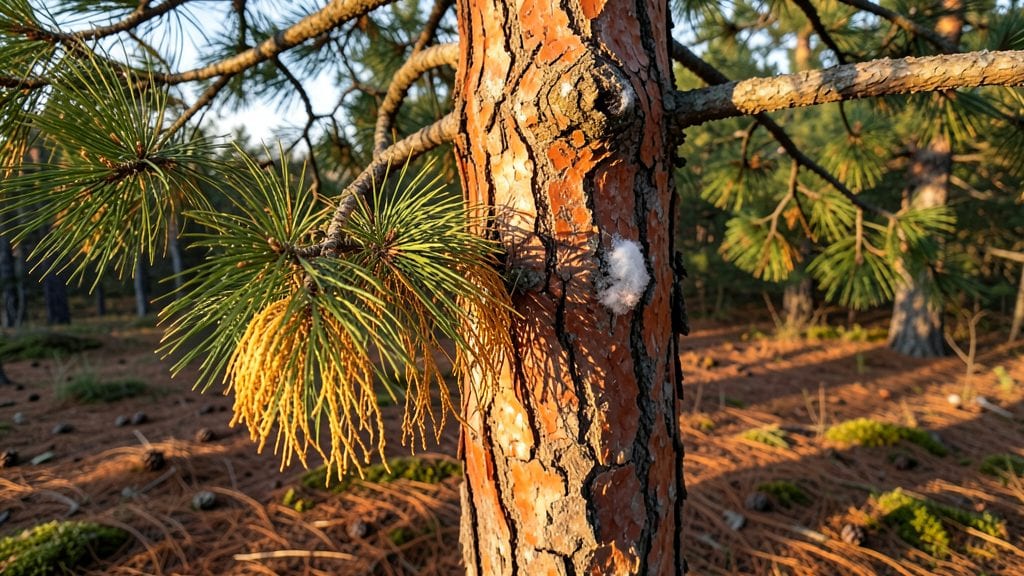
Evergreen trees are the backbone of your landscape, but fungal diseases like needle blight and root rot can turn them into sad, scraggly shadows.
I’ve seen firsthand how a single overlooked brown spot can spread into a full-blown crisis—until I learned the early warning signs and organic fixes that actually work. The key isn’t just sprays; it’s understanding what’s attacking your tree and why.
Most problems start with moisture—too much or too little—and poor air circulation. Needle blight thrives in damp, shady spots, while root rot sneaks in when soil stays soggy for weeks.
My cedar nearly died from needle drop until I adjusted watering and thinned the branches to let sunlight and air move through. The fix isn’t always dramatic: sometimes it’s just pruning and better drainage. Other times, you’ll need targeted organic treatments like copper fungicide or neem oil.
You’ll spot the damage early—yellowing needles, blackened tips, or mushrooms at the base—and that’s when action matters most. With the right approach, you can save even heavily affected trees. Think of it like a checkup: catch it soon, and you’re just trimming a few branches.
Wait too long, and you’re staring at a stump. The good news? Evergreens are tougher than they look.
This works for pines, spruces, boxwoods, and any other needle-bearing tree in your yard. Whether you’re dealing with a prized blue spruce or a row of arborvitae hedges, the same principles apply. Let’s turn those brown patches into green victories before they become permanent damage.
Root Causes Of Tree Decline
Evergreen trees, with their lush foliage and year-round greenery, are a staple in many landscapes—but they’re not immune to disease. Understanding why these issues arise is the first step to prevention and treatment.
Below, we break down the key factors that weaken evergreens, making them vulnerable to fungal infections, pests, and other stressors.
Fungal diseases thrive in evergreens due to their high moisture retention and slow metabolic rate (compared to deciduous trees). Here’s how it happens:
- 🍄 Poor Air Circulation
- Dense foliage or overcrowded trees trap humidity, creating the perfect breeding ground for fungi like Phytophthora (root rot) or Rhizosphaera (needle cast).
- Actionable fix: Prune branches to improve airflow and space trees at least 10–15 feet apart.
- 💧 Overwatering or Poor Drainage
- Evergreens hate "wet feet." Excess moisture in soil (from overwatering or compacted clay) drowns roots, inviting pathogens like Armillaria (shaggy ink cap) or Heterobasidion (annosum root rot).
- Pro tip: 💡 Test soil drainage—dig a hole, fill it with water, and time how long it takes to drain. If it’s slower than 4–6 hours, amend with compost or sand.
- 🌡️ Stress from Temperature Swings
- Sudden cold snaps or heatwaves weaken tree defenses. Fungi such as Lophodermium (a common needle blight) exploit this by infecting through stomata (leaf pores) when trees are already struggling.
- Science note: Evergreens photosynthesize year-round, but extreme temps disrupt nutrient transport, making them easier targets.
Insects and mites don’t just nibble—they transmit diseases and create entry points for fungi. Here’s how:
- 🐛 Bark Beetles & Woodborers
- Beetles like the Ips or Dendroctonus species burrow into bark, introducing blue-stain fungi that block water/nutrient flow. Weakened trees then fall prey to Hypoxylon (a deadly canker fungus).
- Red flag: Look for sawdust-like frass at the base of the tree or exit holes in bark.
- 🕷️ Spider Mites & Scale Insects
- These sap-suckers weaken foliage, making trees more susceptible to sooty mold (a black fungal growth that blocks sunlight).
- Quick test: Hold a white sheet under a branch—if tiny insects drop, it’s a pest problem.
- 🪰 Root-Feeding Grubs
- Grubs from Japanese beetles or June bugs chew on roots, creating wounds where Armillaria or Rosellinia (white root rot) can infect.
- Prevention: Apply beneficial nematodes (like Heterorhabditis bacteriophora) to soil in early spring.
Even without pathogens, evergreens can decline from cumulative stress. Here’s what’s really hurting them:
- 🌍 Soil Depletion & Nutrient Imbalance
- Evergreens prefer acidic, well-draining soil (pH 4.5–6.0). Alkaline soil (pH >7.0) locks out essential nutrients like iron and manganese, leading to chlorosis (yellowing needles) and fungal susceptibility.
- Fix: Test soil pH and amend with sulfur or peat moss if needed.
- ☀️ Sunburn & Desiccation
- Young evergreens or those suddenly exposed to full sun can suffer needle scorch, making them prone to secondary infections like Lophodermium.
- Solution: Acclimate trees gradually to sun or use shade cloth for the first year.
- 🌪️ Physical Damage
- Storms, lawnmowers, or construction can strip bark or sever roots, creating open wounds for fungi like Nectria (a canker disease).
- First aid: Seal wounds with pruning sealant (for large cuts) or copper fungicide to prevent infection.
Next up: How to spot these issues early and choose the right treatments for your evergreen’s specific needs.
Fixing Tree Ailments Step-by-Step
When your evergreen trees show signs of distress—yellowing needles, oozing sap, or strange spots—acting fast can save them. Below is a clear, cause-specific guide to diagnosing and treating common evergreen diseases, plus prevention tips to keep your trees thriving.
Whether it’s fungal infections, pest invasions, or environmental stress, these solutions are practical and easy to follow.
Fungi like Phytophthora, Armillaria, or Rhizosphaera thrive in damp conditions. Here’s how to tackle them:
🔥 Prune Infected Branches
- Step 1: Use sterilized pruners (wipe with rubbing alcohol between cuts) to remove all infected branches—even if they’re just brown or oozing.
- Step 2: Cut 6 inches below the visible damage to ensure you remove the fungus entirely.
- Step 3: Dispose of infected branches in a sealed bag (not your compost pile!).
🌡️ Improve Airflow & Drainage
- 💡 Pro Tip: Fungi love moisture. Space trees 10–15 feet apart and mulch with wood chips (not bark) to prevent soil compaction.
- ✨ Fix it: If your yard stays soggy, install French drains or raised beds for root health.
🎯 Fungicide Application (When Needed)
- For severe cases: Use a copper-based fungicide (like Copper Sulfate) or a phosphite-based treatment (e.g., Phostrol).
- Timing: Apply at first sign of infection and again every 2–4 weeks during wet seasons.
Insects like spider mites, bagworms, or adelgids weaken trees by sucking sap or burrowing into bark. Here’s how to evict them:
🔪 Manual Removal (Best for Early Stages)
- Bagworms: Handpick white silk bags from branches and drop them into soapy water.
- Spider Mites: Spray trees with a strong hose stream (1–2 minutes per side) to dislodge webs and eggs.
🍳 Organic Sprays for Heavy Infestations
- Neem Oil: Mix 1 tbsp neem oil + 1 tsp mild soap per quart of water. Spray every 7–10 days until pests vanish.
- Horticultural Oil: Apply in early spring to smother overwintering eggs (e.g., adelgids).
👨🍳 Prevent Future Attacks
- 💡 Pro Tip: Encourage beneficial insects (like ladybugs) by planting marigolds or dill nearby.
- 🌡️ Avoid Overwatering: Pests love stressed trees—water deeply but infrequently (1–2 inches per week).
Drought, poor soil, or extreme heat can weaken evergreens, making them susceptible to diseases. Rebuild their strength with these fixes:
🥗 Soil & Water Fixes
- Test Your Soil: Use a DIY kit ($10–$20) to check pH and nutrient levels. Evergreens prefer acidic soil (pH 4.5–6.0).
- Amend Soil: Mix in peat moss or pine fines for acid-loving trees like pines or spruces.
- Water Deeply: Use a soaker hose to water at the drip line (not just the base) for 30–60 minutes, 2x weekly.
💪 Mulch & Fertilize Right
- Mulch: Apply 3–4 inches of mulch (keep it 6 inches away from the trunk) to retain moisture.
- Fertilize: Use a slow-release, balanced fertilizer (e.g., 10-10-10) in early spring. Avoid high-nitrogen fertilizers—they burn roots!
🌿 Shade & Wind Protection
- 💡 Pro Tip: Young evergreens need afternoon shade in hot climates. Use shade cloth (30–50%) temporarily.
- Windbreaks: Plant fast-growing shrubs (like eucalyptus) on the windward side to reduce stress.
Remember: The key to long-term tree health is prevention. Regularly inspect your evergreens (especially after rain or drought), and address issues before they spiral. With these steps, your trees can bounce back—and stay disease-free for years!
Frequently asked questions
What are the most common signs my evergreen tree might be sick?
Watch for yellowing or browning needles, especially if they start at the tips or edges. Other red flags include black or white fungal spots on foliage, oozing sap from the trunk, or mushrooms growing at the base. These often signal fungal infections like needle blight or root rot.
Can overwatering really kill my evergreen trees?
Evergreens hate soggy soil, which leads to root rot caused by fungi like Phytophthora. If your tree’s soil stays wet for more than 48 hours, it’s at risk. Test drainage by digging a hole, filling it with water, and timing how long it takes to drain—if it’s slower than 4-6 hours, improve drainage with compost or sand.
How do I tell if my tree has needle blight vs. spider mites?
Needle blight shows as brown, dead patches on needles, often with tiny black dots (fungal spores). Spider mites, however, cause yellow stippling and fine webbing between branches. Hold a white sheet under a branch—if tiny insects drop, it’s mites. Needle blight needs fungicide; mites respond to neem oil or a strong hose spray.
Is it safe to prune infected branches myself?
Yes, but sterilize your tools first with rubbing alcohol to avoid spreading disease. Cut 6 inches below visible damage and dispose of infected branches in a sealed bag. Prune during dry, sunny weather to help wounds heal faster. For large trees, consider hiring a professional if you’re unsure.
Will copper fungicide harm my evergreen tree if I use it too often?
Copper can build up in soil over time, so limit applications to every 2-4 weeks during wet seasons only. For long-term use, alternate with phosphite-based fungicides (like Phostrol) or organic options like neem oil. Always follow label instructions and avoid spraying when rain is forecasted.