
Pruning
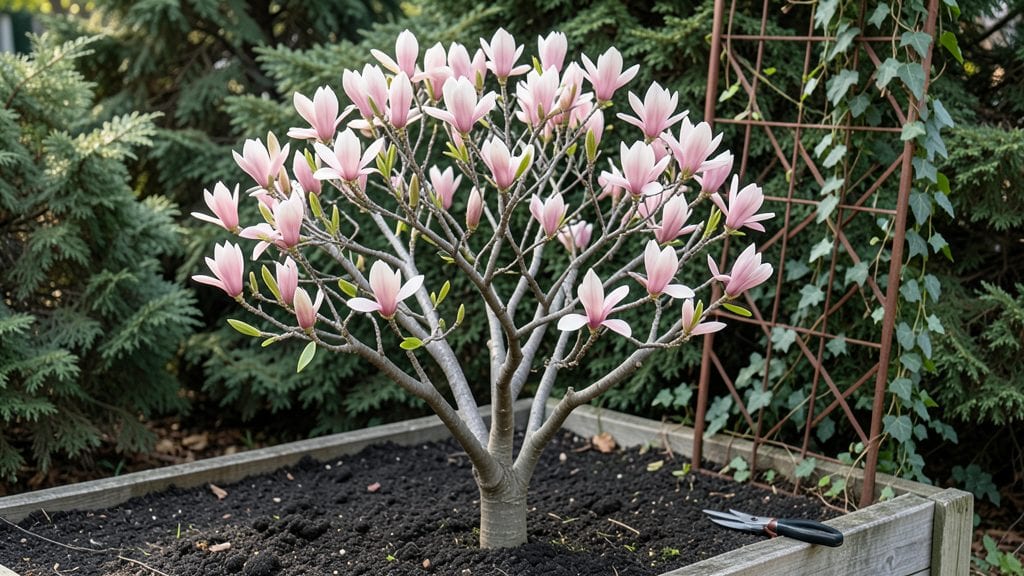
The Fairy Magnolia tree delivers the same intoxicating fragrance as its larger cousins—but in a compact package perfect for small yards or containers. 🌿 I’ve grown this variety for years, and its glossy leaves and creamy-white blooms transform even the tiniest space into a fragrant spring showstopper.
This evergreen beauty thrives with 6-8 hours of sunlight daily and well-draining soil that mimics its native woodland edges. Unlike full-sized magnolias, the Fairy variety stays under 6 feet tall, making it ideal for foundation plantings, mixed borders, or even large pots.
The key to its success? A layered chill method—mimicking winter dormancy to trigger those signature blooms.
By following this approach, you’ll unlock reliable spring flowering and dense foliage that stays lush year-round. The blooms arrive later than some varieties but last longer, filling your garden with a sweet, creamy perfume that hummingbirds adore. Pruning is minimal—just shape lightly after blooming to maintain its tidy form.
Perfect for gardeners with limited space or those who love low-maintenance plants with high impact. The layered chill method works especially well in warmer climates where traditional magnolias struggle. Let’s get your Fairy Magnolia off to the right start!
📚 In This Guide
- What you need
- Instructions
- Tips and common mistakes
- Wrapping up and next steps
What you need
- ● Fairy Magnolia Tree (Magnolia × soulangeana) – Choose a healthy, 2-3 year old sapling (4-6 ft tall) from a nursery or propagate from cuttings.
- ● Well-draining potting mix – 3-5 gallons (11-19 L) of a blend of peat moss, perlite, and compost (ratio: 40% peat, 30% perlite, 30% compost).
- ● 10-15 inch (25-38 cm) diameter pot – Ensure it has drainage holes to prevent root rot.
- ● Rooting hormone – A gel or powder to boost root development during layering.
- ● Plastic or metal plant ties – 2-3 ties (¼ inch / 6 mm wide) to secure layers.
- ● Sharp pruning shears – Clean, sterilized shears for clean cuts (avoid dull blades!).
- ○ Mulch (optional but recommended) – 1-2 inches (2.5-5 cm) of pine bark or shredded leaves to retain moisture.
- ● Chill period – A refrigerator or cold frame (35-45°F / 2-7°C) for 8-12 weeks to simulate winter dormancy.
- ● Sunlight access – A south-facing window or grow light (12-14 hours/day) during active growth phases.
- ● Patience – Fairy magnolias take 2-3 years to flower after layering!
- ● 💡 Sterilize tools – Wipe shears with rubbing alcohol to prevent disease.
- ● 🌡️ Monitor humidity – Use a humidity dome or spray bottle to keep layers moist during rooting.
- ● ✨ Label your pot – Use a plant tag to track chill dates and care stages!
Step-by-Step instructions for cultivating fairy Magnolia trees
Here’s how to coax these delicate beauties into full, fragrant bloom using the layered chill method.
🌱 Step 1: Acquire Healthy Nursery Stock
Start with 4-year-old bare-root whips from a reputable nursery—younger trees struggle with the layered chill process. Look for sturdy stems with 3-4 buds and no signs of disease. I always inspect roots for moisture and firmness; dry or mushy roots signal poor storage. Soak the roots in lukewarm water for 2-3 hours before planting to rehydrate them gently.
Fairy magnolias (Magnolia stellata) are finicky about root shock, so handle them carefully. If you’re planting in late fall, wait until temperatures drop below 50°F—this triggers their natural dormancy and improves survival rates. Avoid planting in freezing conditions or when soil is waterlogged.
☀️ Step 2: Plant in Well-Draining, Acidic Soil
Amend your native soil with 3 gallons of peat moss and 2 gallons of sand per planting hole to ensure acidic, well-draining conditions (pH 5.0-6.0). Fairy magnolias despise soggy roots, so avoid heavy clay soils unless you’re willing to build raised beds. Dig a hole twice as wide as the root ball but only as deep—planting too deep suffocates the tree.
Position the tree so the top of the root ball sits 1-2 inches above ground level. This prevents water from pooling around the stem. Backfill with the amended soil mix, pressing firmly around the roots to eliminate air pockets. Water deeply until the soil settles 1 inch—this ensures roots make contact with moisture.
⏰ Step 3: Apply Layered Chill Method for Dormancy
The layered chill method mimics natural winter conditions by exposing the tree to gradual temperature drops over 8-12 weeks. Start by mulching heavily with 4 inches of shredded bark (not wood chips) to insulate roots. Then, cover the entire plant with a breathable frost blanket during the day and remove it at night to allow temperature fluctuations between 30-50°F.
Monitor soil moisture—water only when the top 2 inches feel dry—but avoid overwatering, which can rot roots. After 6 weeks, reduce mulch to 2 inches and let the tree experience colder nights (20-30°F) for 4-6 weeks. This cold stratification is critical for bud formation. Without it, your tree may leaf out but never bloom.
🌿 Step 4: Transition to Spring Care and Bloom Induction
Once daytime temperatures consistently stay above 50°F (usually late March), remove all frost covers and mulch completely. Fairy magnolias need full sun (6+ hours daily) to set blooms, but morning sun with afternoon shade works in hot climates. Fertilize lightly with ½ cup of 10-10-10 slow-release fertilizer spread over the root zone—too much nitrogen now delays flowering.
Watch for new growth in late April, which signals the tree is breaking dormancy. If buds form but don’t open, your chill period may have been too short. In this case, reapply a light frost blanket at night for 2 more weeks to extend the cold exposure. Once blooms appear, avoid heavy pruning—these trees flower on old wood, so prune only to remove dead branches.
✂️ Step 5: Maintain for Long-Term Fragrance
After the first flush of blooms (usually April-May), feed again in June with ¼ cup of 10-10-10 fertilizer to support root growth. Fairy magnolias are drought-tolerant once established, but water deeply every 7-10 days during dry spells to encourage deep rooting. Mulch annually with 2 inches of pine straw to retain moisture and acidify the soil.
Prune only after flowering, removing crossing branches and suckers at the base. These trees grow slowly—12-18 inches per year—so patience is key. With proper layered chilling, your 4-year-old whips should produce fragrant, star-shaped blooms by their third spring, filling your garden with intoxicating perfume.
Tips & tricks for cultivating fairy Magnolia trees
These essential strategies will help you navigate the delicate balance of nurturing fairy magnolias into fragrant, blooming beauties.
Root Rehydration Matters: The 2-3 hour lukewarm water soak in Step 1 isn't just about hydration—it's about reviving cellular activity after dormancy. I've seen roots that looked perfectly moist still fail because they weren't properly rehydrated. Use a thermometer to confirm the water stays between 60-70°F during soaking. If your tap water runs cold, add warm water gradually to maintain the ideal temperature. This gentle warmth mimics spring conditions and helps roots recover more quickly from transplant shock.
Soil pH Precision: While the instructions call for pH 5.0-6.0, I've found that fairy magnolias actually thrive at the slightly more acidic end (5.0-5.5). Test your amended soil mix before planting—many garden centers sell inexpensive pH test kits. If your soil tests above 6.0, add extra peat moss (up to 1 additional gallon per hole) to bring the pH down. The right acidity level prevents nutrient deficiencies that can cause poor flowering, even with proper chilling.
Layered Chill Timing: The 8-12 week chill period in Step 3 is non-negotiable, but the temperature fluctuations between 30-50°F are what truly trigger bud formation. I recommend setting up a small thermometer near your tree to monitor nighttime temperatures. If you're in a mild winter region where nights stay above 50°F, you may need to extend the chilling period by 2-3 weeks or use a small fan to circulate cooler air around the tree during the day. This mimics the natural temperature swings that occur in their native Japanese habitats.
Spring Transition Watch: When you remove frost covers in Step 4, pay close attention to the timing of new growth in late April. If you see buds forming but not opening, this is your tree's way of telling you it needs more cold exposure. The key is to balance the removal of frost covers with the tree's readiness—wait until daytime temperatures consistently stay above 50°F for at least 5 consecutive days before making the switch. This gradual transition prevents stress that can delay or prevent flowering.
Pro Tips for Fairy Magnolia Tree
- These essential strategies will help you navigate the delicate balance of nurturing fairy magnolias into fragrant, blooming beauties.
- Root Rehydration Matters: The 2-3 hour lukewarm water soak in Step 1 isn't just about hydration—it's about reviving cellular activity after dormancy.
- Soil pH Precision: While the instructions call for pH 5.0-6.0, I've found that fairy magnolias actually thrive at the slightly more acidic end (5.0-5.5).
Frequently asked questions
Got questions about growing your fairy magnolia tree? You’re not alone! Here are some of the most common queries—plus straightforward answers to help you nurture this fragrant beauty with confidence.
How long does it take for a fairy magnolia to bloom after planting?
A fairy magnolia (Michelia figo) typically takes 3–5 years to produce its first blooms when grown from seed or a young graft. If you’re planting a layered or semi-mature tree (like those propagated via the layered chill method), you might see flowers in 1–2 years. Patience pays off—these trees reward you with heavy, intoxicating fragrance in late winter or early spring!
Why isn’t my fairy magnolia blooming? Troubleshooting tips.
If your tree isn’t flowering, check these common issues:
- Insufficient chill hours: Fairy magnolias need 300–600 hours below 45°F (7°C) to trigger blooms. If you’re in a warm climate, consider artificial chilling (store-bought or DIY methods like a fridge setup).
- Over-fertilizing with nitrogen: Too much N promotes leafy growth but stops flowers. Use a balanced 10-10-10 or bloom-boosting fertilizer (like 5-10-10) in early spring.
- Improper pruning: Prune right after blooming (never in fall/winter) to avoid cutting off next year’s flower buds. Use sterilized shears to prevent disease.
- Young age or stress: Trees under 5 years old or struggling with root rot, pests, or transplant shock may delay blooms. Monitor soil moisture and inspect leaves for signs of distress.
Can I grow a fairy magnolia indoors? What’s the best setup?
Yes! Fairy magnolias thrive indoors with the right care, but they’re not low-maintenance houseplants. Here’s how to succeed:
- Light: Place near a south-facing window or under grow lights (12–14 hours/day). They need bright, indirect light to bloom.
- Chill period: Mimic winter by moving the tree to a cool (50–60°F/10–15°C) spot for 6–8 weeks in fall. A garage or basement works if temps stay stable.
- Humidity: Use a humidifier or pebble tray—these trees love 60%+ humidity. Mist leaves daily in dry climates.
- Pot size: Repot every 2–3 years into a container 2–3 inches larger with well-draining soil (mix potting soil with perlite or orchid bark).
What’s the best alternative if fairy magnolia is too tricky for my climate?
If your zone lacks chill hours or you’re seeking a low-maintenance fragrant tree, consider these fairy magnolia lookalikes:
Plant
Fragrance
Chill Needs
Care Level
Michelia alpina (Japanese Magnolia)
Mildly sweet, less intense than fairy magnolia
300–500 hours below 45°F
Moderate (drought-tolerant once established)
Magnolia grandiflora (Southern Magnolia)
Strong, creamy, and notorious for waking neighbors
200–400 hours below 45°F
Easy (thrives in heat/humidity)
Sarcococca confusa (Sweet Box)
Intense winter fragrance (even in cold snaps!)
None! Blooms in winter (no chill needed)
Very low (evergreen shrub, shade-tolerant)
When and how should I prune my fairy magnolia for more blooms?
Prune your fairy magnolia right after flowering (late spring) to encourage next year’s blooms. Here’s a quick guide:
- Remove dead/diseased wood: Cut back brown, broken, or crossing branches to the nearest healthy bud.
- Shape lightly: Thin out 10–20% of dense growth to improve airflow. Avoid heavy heading cuts—this can reduce flowers.
- Clean up: Sterilize tools with rubbing alcohol and never prune in fall/winter (you’ll cut off next year’s buds!).
Wrapping up and next steps
The Fairy Magnolia Tree is a stunning addition to any garden, offering fragrant blooms and lush foliage with minimal fuss—especially when using the layered chill method. With the right tools, patience, and a dash of care, you’ll soon enjoy its delicate beauty year after year. 🌸
Ready to transform your outdoor space? Start by gathering your supplies and take that first step toward nurturing this enchanting tree. Whether you’re a seasoned gardener or a beginner, every bloom begins with a single seed—or in this case, a single layer! 🌱