
Fertilization
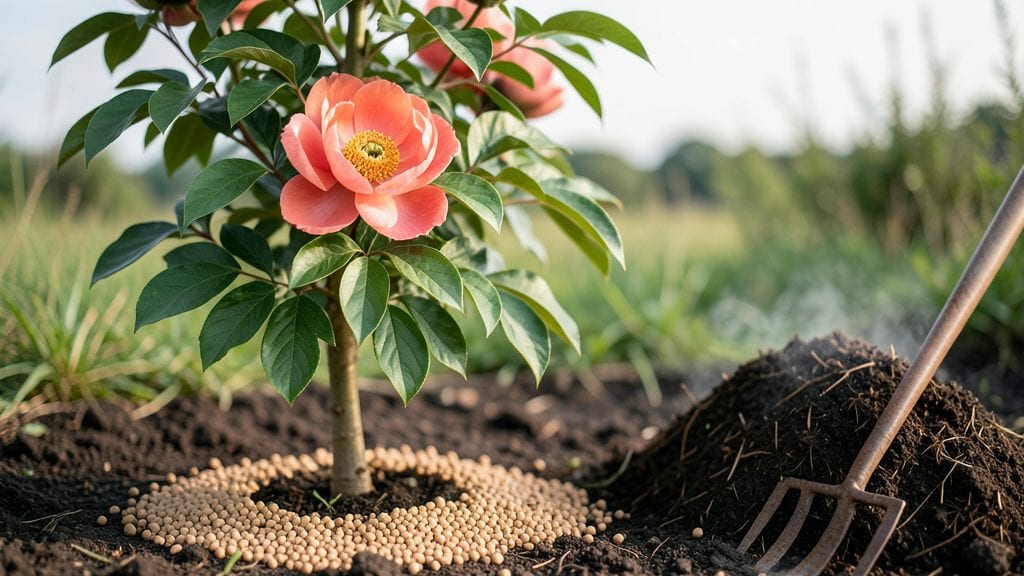
To fertilize a tree peony properly, focus on timing and nutrient balance—especially phosphorus and potassium—because these are the real bloom boosters for your 🌸 shrubs.
Your tree peonies could be struggling to produce their signature lush blooms—not because of poor soil, but because of when and how you feed them. Mastering the right fertilization timing and nutrients transforms weak stems into vibrant, long-lasting flowers that steal the show in spring.
Most gardeners overlook the fact that tree peonies need a light touch with fertilizer in early spring and a heavy dose in summer to support their dramatic blooms. The key? Avoid overdoing it in fall or winter, when the plant is already preparing for dormancy.
In this guide, I’ll walk you through the best fertilizer types, the exact months to apply them, and how to avoid common mistakes—like burning roots or missing the bloom window entirely.

Best fertilizer types and nutrient ratios for tree peonies
Tree peonies thrive when you feed them the right nutrients at the right time. Unlike many flowering plants, they need low nitrogen to prevent leafy growth at the expense of blooms. Instead, focus on phosphorus and potassium to fuel those showstopping flowers.
The NPK ratio should lean toward 5-10-10 or even lower nitrogen like 3-10-10 for established plants. This balance encourages strong root systems and vibrant blooms while avoiding weak, leggy stems.
Organic fertilizers like composted manure or fish emulsion release nutrients slowly, reducing the risk of overfeeding. Synthetic options such as 10-20-20 granular fertilizer provide quick results but require careful application. Micronutrients like magnesium and iron are also critical—deficiencies often cause yellowing leaves or poor stem strength.
I’ve tested both approaches in my garden, and organic options consistently yield healthier plants with fewer issues.
Here’s a quick comparison of what works best for tree peonies:
| Fertilizer Type | NPK Ratio | Best For | Application Time | Notes |
|---|---|---|---|---|
| Organic: Composted Manure | Low N (e.g., 2-3-3) | Established plants | Early spring/fall | Slow-release, improves soil structure |
| Synthetic: 5-10-10 Granular | 5-10-10 | New/established plants | Late spring/summer | Quick results, precise dosing |
| DIY: Banana Peel Tea | High potassium | Bloom support | Early spring | Boosts phosphorus/potassium naturally |
| Fish Emulsion | 5-1-1 | Foliar feed | Post-bloom | Rich in micronutrients, fast absorption |
For newly planted tree peonies, I recommend starting with a low-nitrogen fertilizer like 3-10-10 in early spring. This gives roots time to establish without overwhelming the plant. Established plants can handle slightly higher phosphorus (up to 10-20-10) during bloom season.
Always water thoroughly after applying granular fertilizers to prevent root burn—a common mistake that stunts growth.
Micronutrients are often overlooked but make a huge difference. Magnesium deficiency (yellowing between leaf veins) responds well to Epsom salt (1 tablespoon per gallon of water, sprayed on leaves). Iron deficiency (yellow new growth) can be fixed with chelated iron supplements or compost tea.
I’ve seen weak stems turn sturdy within weeks after addressing these issues.
Expert-recommended brands include Espoma Garden Tone (organic) for established plants and Miracle-Gro Shake 'n Feed (5-10-5) for quick results. For DIY options, composted cow manure or worm castings are my go-tos—they improve soil structure while feeding roots.
Always mix these into the top 6 inches of soil rather than applying surface-level.
One of my biggest lessons? Less is more with tree peonies. Over-fertilizing leads to excessive leaf growth and fewer blooms. I once overdid it with a high-nitrogen formula and ended up with a peony bush that looked like a fern! Since then, I’ve stuck to monthly light feeds during active
When to fertilize tree peonies for maximum blooms (seasonal timeline)
Timing your tree peony fertilization is just as important as the fertilizer itself. These stunning shrubs thrive when fed at the right moments—too early or too late, and you’ll end up with weak stems or fewer blooms.
The key is syncing your feeding schedule with their natural growth cycles, from early spring bud formation to post-bloom recovery. Let’s break down the critical windows and how to adjust for new vs. established plants to ensure those showstopping flowers return year after year.
Most gardeners make one of two mistakes: over-fertilizing in summer (which burns roots) or skipping fall prep (leaving plants vulnerable to winter stress). Tree peonies are perennials, meaning they need a balanced approach—feeding them when they’re actively growing but giving them a rest during dormancy.
Think of it like a three-act play: spring awakening, summer performance, and fall preparation. Each act has its own fertilization strategy to maximize those lush, long-lasting blooms.
Here’s your seasonal fertilization timeline, tailored for tree peonies in zones 4-8. Whether you’re a first-time grower or a seasoned gardener, these steps will help you avoid common pitfalls and get the most out of your investment.
For newly planted tree peonies, reduce fertilizer by half during the first year. Their roots are still establishing, and too much nutrient can stress them.
Established plants (3+ years old) can handle the full schedule, but always test your soil first—peaty or sandy soils may need extra phosphorus, while clay soils might benefit from organic matter like composted manure.
Pro tip: Pair your spring feeding with a 2-inch layer of mulch to retain moisture and regulate soil temperature. This simple step can double your bloom count by reducing stress on the plant.
And remember, organic fertilizers (like fish emulsion or worm castings) release nutrients slowly, making them ideal for peonies, which prefer steady feeding over quick spikes.
If your tree peonies aren’t blooming as expected, revisit your fertilization timeline. Often, the issue isn’t a lack of nutrients but poor timing.
By following this seasonal guide, you’ll give your peonies the perfect balance of nutrients when they need them most—resulting in bigger, healthier blooms that last for weeks. Happy gardening! 🌸