
Fertilization
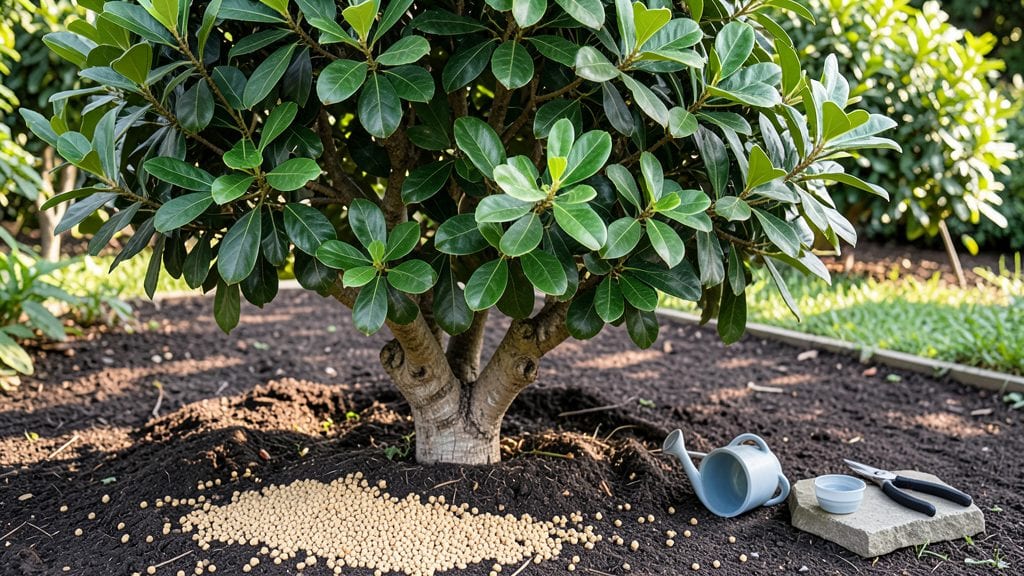
Fertilizing loquat trees requires a balanced approach using organic matter like compost or citrus-specific fertilizer in early spring, with light applications every 6-8 weeks until mid-summer. Avoid over-fertilizing, as loquats thrive in well-draining soil with moderate nutrients.
Loquat trees respond best to a feeding schedule that mirrors their natural growth cycles. 🌱 In early spring, when new shoots emerge, nitrogen-rich fertilizers like compost or citrus-specific blends support leafy growth, while phosphorus promotes root expansion.
Summer applications shift focus to potassium to strengthen fruit development—think of it as fuel for both foliage and harvest. The key is consistency without excess, since loquats hate soggy roots or salt buildup from over-fertilizing.
For organic options, I’ve found citrus compost (mixed with soil) works wonders—it’s tailored to their needs and improves soil structure over time. 💫 Worm castings add micronutrients like zinc and iron, which loquats often lack, while bone meal provides phosphorus for roots.
The trick is to spread fertilizers lightly around the drip line (not touching the trunk) and water them in immediately to prevent burn.
💡 In This Article
- Loquat Tree Nutrient Needs by Season
- Best Organic Fertilizers for Loquat Trees
Loquat tree nutrient needs by season
Loquat trees follow a precise nutrient timeline that aligns with their growth phases. In early spring (February-March), when buds swell and leaves unfurl, nitrogen becomes critical—this nutrient fuels chlorophyll production, giving leaves their vibrant green color.
Think of nitrogen as the tree's growth accelerator: without it, new shoots grow weak and pale. 🌿 A soil test showing nitrogen levels below 0.15% signals it's time to amend with compost or a balanced organic fertilizer like alfalfa meal.
As temperatures rise in late spring, phosphorus takes center stage. This nutrient strengthens root systems, allowing the tree to absorb water and nutrients more efficiently.
Loquats often develop shallow roots, so phosphorus helps them establish deeper anchors. Bone meal, with its 3-15-0 NPK ratio, is ideal here—it releases phosphorus slowly while improving soil structure. The key is applying it 2-3 inches below the soil surface to prevent leaching from rain.
By summer, when fruit sets and swells, potassium becomes essential. This mineral regulates water movement within the tree and enhances disease resistance—critical for loquats, which are prone to fungal issues in humid climates. Banana peels (composted) or greensand provide potassium naturally.
The goal is a 1-2-2 NPK ratio during this phase, with potassium making up 20-30% of the fertilizer blend. Overdoing potassium can lead to excessive leafiness at the expense of fruit quality.
Loquats prefer a soil pH between 5.5 and 7.0, but most citrus-specific fertilizers are formulated for slightly acidic conditions (6.0-6.5).
If your soil tests higher, mix in elemental sulfur at 1 pound per 100 square feet in fall to gradually lower pH. Micronutrients like zinc and iron—often deficient in alkaline soils—can be addressed with chelated supplements or composted leaves. Yellowing leaves between veins? That's your tree screaming for iron.
What most growers overlook is the timing of micronutrient applications. Zinc, for example, should be applied in early spring when new growth is most active, while iron supplements work best when soil is moist.
The secret is light, frequent feedings—think of it like a slow drip irrigation system for nutrients. A 1/4 cup of composted citrus fertilizer every 6-8 weeks keeps the tree fed without overwhelming it.
Here's a visual breakdown of seasonal priorities:
- Early Spring (Feb-Mar): Nitrogen focus (leaf growth) + micronutrients (zinc, iron)
- Late Spring (Apr-May): Phosphorus boost (root development) + potassium prep
- Summer (Jun-Aug): Potassium emphasis (fruit production) + disease resistance
- Fall (Sep-Oct): Light feeding (root hardening) + pH adjustment if needed
The science behind this seasonal shift lies in how loquats allocate energy. In spring, they prioritize vegetative growth; in summer, they redirect resources to fruit development. This is why sudden fertilizer changes can confuse the tree—it's like switching from a protein-heavy diet to carbs overnight.
Consistency in nutrient ratios is what yields those sweet, apricot-like fruits we all crave. 🌟