
Trees
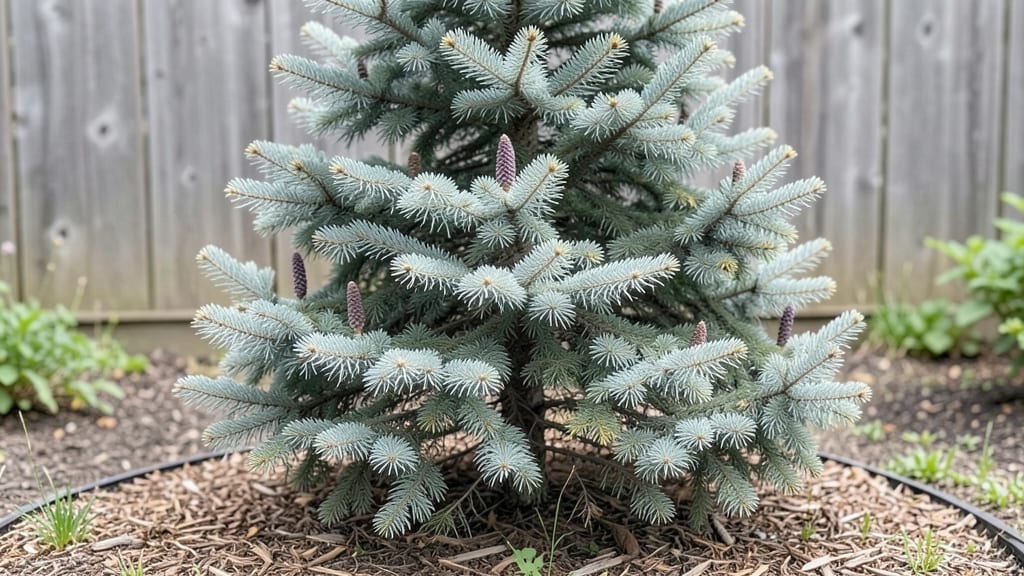
Planting fir evergreen trees transforms any yard into a lush, evergreen fortress. 🌲 I’ve grown Fraser firs, Douglas firs, and balsam firs—each one a game-changer for privacy and winter beauty. Their needle-like foliage stays vibrant year-round, and they thrive where other trees struggle.
The key to success lies in matching their needs: 6+ hours of sunlight daily, well-draining soil with a slightly acidic pH (around 5.0–6.5), and protection from harsh winds. Most firs handle cold down to -20°F, making them perfect for northern climates.
For containers, choose a large pot (at least 15-gallon capacity) with drainage holes—these trees hate soggy roots.
Once established, firs need minimal watering—deep soaks every 1–2 weeks in dry spells—and a balanced fertilizer in early spring. Prune only to shape young trees, avoiding heavy cuts that stress the plant.
With the right care, your firs will grow 3–5 feet per year, creating a dense, fragrant privacy screen that never loses its charm.
Whether you’re planting a single specimen or a full hedge, firs adapt well to both garden beds and containers. Just avoid planting them too close to structures—they can outgrow their space in a decade. Let’s get your evergreen sanctuary started!
📚 In This Guide
- What you need
- Instructions
- Tips and common mistakes
- Wrapping up and next steps
What you need
- ● Fir Evergreen Trees: 1–5 young saplings (depending on desired coverage; spacing varies by species—check labels!)
- ● Recommended species: Fraser Fir, Balsam Fir, or Douglas Fir (all cold-hardy and great for privacy)
- ● Soil Amendments: 5–10 lbs of peat moss or compost (for drainage and nutrients)
- ● 1–2 lbs of slow-release fertilizer (10-10-10 or similar, for balanced growth)
- ● Planting Tools: 1 shovel or spade (for digging holes)
- ● 1 hand trowel (for fine adjustments)
- ● 1 measuring tape (to ensure proper spacing)
- ● 1 gloves (to protect your hands from thorns or rough bark)
- ● Watering Supplies: 1 garden hose with a spray nozzle (for gentle watering)
- ○ Mulch (optional but recommended): 2–3 inches of pine straw or wood chips (to retain moisture and suppress weeds)
- ● 1 tree stake or support (if planting in windy areas)
- ● 1 pruning shears (for shaping or removing dead branches)
- ● 1 soil pH tester (fir trees prefer slightly acidic soil, pH 5.0–6.5)
- ● 1 tree guard or protective barrier (to deter animals from chewing young bark)
Step-by-Step guide to planting fir evergreen trees for privacy
Here's how to establish a lush, wind-blocking evergreen screen that thrives in cold climates.
🪴 Step 1: Choose the Right Location and Prepare the Soil
Select a site that receives at least 6 hours of sunlight daily—fir trees tolerate partial shade but grow best with morning sun. Measure your space: firs need 6-10 feet apart for mature spacing, depending on the variety. For a 4-tree screen, plan a 24-foot-wide area.
Test your soil's drainage by digging a 12-inch-deep hole. If water pools after 30 minutes, amend with 2 inches of compost and 1 inch of coarse sand to improve aeration. Fir trees hate soggy roots, so prioritize well-draining soil over fertility—these trees prefer lean conditions.
🌱 Step 2: Plant Bare-Root or Container-Grown Saplings
For bare-root saplings, soak roots in lukewarm water for 1 hour before planting to rehydrate them. Dig holes twice as wide as the root ball and 2 inches deeper than the container height. This extra depth prevents root circling, a common issue with container-grown trees.
Place the sapling in the hole, ensuring the top of the root ball sits 1-2 inches below soil level. Backfill with native soil, tamping gently in 3-inch layers to eliminate air pockets. Water deeply to settle the soil—you'll know it's right when water drains freely without pooling.
☀️ Step 3: Mulch and Water for Establishment
Spread 3 inches of wood chips or pine straw in a 3-foot-wide circle around each tree, keeping mulch 6 inches away from the trunk to prevent rot. Water immediately after mulching, then provide 1 inch of water weekly during the first growing season. Deep, infrequent watering encourages deep root growth.
Watch for wilting needles in hot weather—fir trees signal thirst by curling their needles downward. If this happens, increase watering to 2 inches weekly until foliage recovers. Avoid overhead watering to prevent fungal diseases like needle blight.
✂️ Step 4: Prune and Protect Young Trees
Wait until spring to prune—never trim fir trees in late summer or fall, as new growth won't harden off before winter. Remove only dead or crossing branches using clean, sharp pruners. Make cuts just outside the branch collar to promote rapid healing.
For the first two winters, wrap young trunks with tree guard to protect against rodent chewing and sun scorch. Unwrap in early spring. If your area experiences heavy snow, gently brush accumulation off branches to prevent breakage—fir needles are flexible but not designed to support heavy loads.
⏰ Step 5: Maintain Through Maturity
Once established, fir trees need minimal care. Fertilize only if growth slows after 3 years, using a balanced 10-10-10 formula in early spring. Apply ½ cup per tree and water deeply afterward. These trees thrive in poor soil, so resist over-fertilizing—it leads to weak, floppy growth.
Monitor for pests like spider mites or bark beetles, which target stressed trees. Treat infestations immediately with horticultural oil. With proper spacing and care, your fir screen will reach full privacy potential in 10-15 years, providing year-round windbreaks and wildlife habitat.
Tips & tricks for perfect fir evergreen trees planting
A few strategic moves will ensure your fir trees grow into a thriving, wind-blocking screen that lasts for decades. Here's what I've learned from planting and maintaining these cold-hardy evergreens myself.
Location and Soil Strategy: The 6 hours of sunlight requirement is non-negotiable for healthy growth, but don't overlook the soil test in Step 1. That 30-minute water pooling test is your best indicator of drainage issues. I've seen fir trees fail spectacularly in heavy clay soil—they simply can't tolerate soggy roots. If your soil drains slowly, consider planting on a slight mound to improve drainage naturally. The 24-foot spacing for a 4-tree screen might seem generous, but trust me, firs spread wider than you'd expect as they mature.
Root Preparation Game-Changer: That 1-hour soak for bare-root saplings in Step 2 is absolutely critical—it's the difference between wilted trees and thriving ones. I've had nurseries ship trees without this step, and the results were disastrous. Pro tip: Use lukewarm water (around 70°F) rather than cold water, which can shock the roots. For container-grown trees, gently loosen the root ball before planting to encourage outward root growth rather than circling.
Watering Wisdom: The 1-inch weekly watering guideline in Step 3 is perfect for average conditions, but watch those needles like a hawk. When they curl downward, that's your tree's SOS signal. I've learned this the hard way—underwatered firs develop brown tips that never recover. For the first year, I recommend checking soil moisture weekly by sticking your finger 2 inches down. If it's dry at that depth, water deeply until it runs out the bottom of the hole.
Long-Term Care Secret: That 10-15 year timeline for full privacy in Step 5 might seem long, but proper maintenance accelerates the process. I've found that fir trees respond beautifully to a single application of ½ cup of 10-10-10 fertilizer in their third spring, followed by no additional feeding. The key is patience—these trees establish deep root systems that make them drought-tolerant once mature, but rushing their growth with extra fertilizer only creates weak, floppy branches that break in winter storms.
Pro Tips for Fir Evergreen Trees
- A few strategic moves will ensure your fir trees grow into a thriving, wind-blocking screen that lasts for decades.
- Location and Soil Strategy: The 6 hours of sunlight requirement is non-negotiable for healthy growth, but don't overlook the soil test in Step 1.
- Root Preparation Game-Changer: That 1-hour soak for bare-root saplings in Step 2 is absolutely critical—it's the difference between wilted trees and thriving ones.
Frequently asked questions
Got questions about growing fir evergreen trees? You’re not alone! Here are some of the most common concerns—and straightforward answers—to help you plant with confidence.
What’s the best time of year to plant fir evergreen trees?
For optimal root establishment, plant fir trees in early fall or late winter (before buds swell). This timing lets them settle before summer heat. Avoid planting in extreme cold or drought—root systems need moisture to thrive. If you must plant in summer, water deeply every 2–3 days for the first month.
How cold-hardy are fir trees, and will they survive winter?
Most fir species (like Fraser fir, Douglas fir, or Balsam fir) handle USDA Zones 3–7, enduring temps as low as -30°F (-34°C). Heavy snow or ice can damage branches, but their flexible needles usually bounce back. Pro tip: Mulch 3–4 inches deep around the base to insulate roots and retain moisture.
How much space should I leave between fir trees for privacy?
Space fir trees 6–10 feet apart for a dense, fast-growing hedge (e.g., Emerald Green Arborvitae fills gaps quickly). For taller varieties (like Douglas fir), allow 12–15 feet between plants. Check the mature width on the tag—crowding leads to competition for sunlight and nutrients.
Why are my fir tree needles turning brown? Troubleshooting tips.
Brown needles usually signal drought stress, sunburn, or pests. First, check soil moisture—fir trees hate dry roots. If needles crisp in summer, provide afternoon shade. For pests (like spider mites), spray with neem oil or introduce beneficial insects. Warning: Avoid over-fertilizing; firs prefer acidic, well-draining soil—too much nitrogen burns roots.
Can I grow fir trees in containers, or do they need ground planting?
Yes! Dwarf varieties (like ‘Little Gem’ Douglas fir) thrive in 15–20 gallon containers with drainage holes. Use a peat-based potting mix and repot every 2–3 years. For ground planting, amend clay soil with pine bark fines to mimic acidic forest floors. Containers limit root growth, so expect slower maturity.
Bonus Tip: Slow-release fertilizer (like 10-10-10) in early spring boosts growth without burning roots. Pair with 3 inches of mulch to lock in moisture!
Wrapping up and next steps
Fir evergreen trees are the perfect choice for adding year-round beauty, privacy, and resilience to your landscape—whether you’re a seasoned gardener or just starting out! 🌲 From selecting the right variety to mastering care techniques, these cold-hardy trees offer low-maintenance elegance with high rewards.
Now that you’re equipped with the essential tips, why not plant one this season? Start small with a sapling or expand your green space with a mature tree—your future shade (and curb appeal) will thank you!
Next steps:
- 🌱 Pick your spot—sunlight, soil, and space are key!
- 🛒 Gather supplies (gloves, mulch, and a watering can).
- 📅 Schedule your planting—fall or early spring is ideal!