
Trees
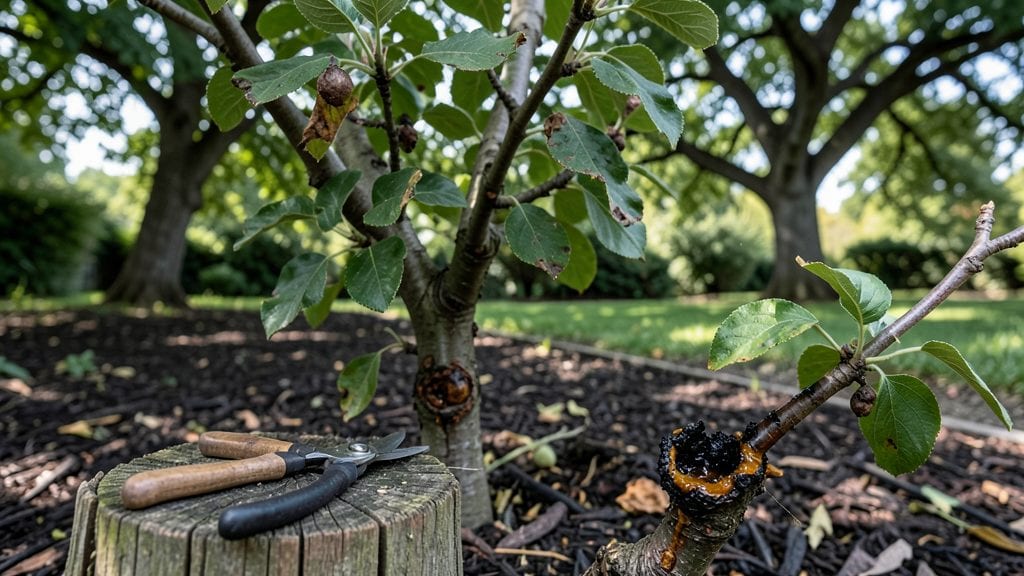
Fire blight turns your once-vibrant trees into blackened skeletons overnight—🌿 and that’s exactly why I’ve spent years perfecting the early detection and treatment system that saved my apple and pear trees from total collapse.
The first sign is often a single branch wilting like it’s been frozen, then turning dark brown or black with a glossy sheen. If you’ve ever watched fire blight spread from one tree to another, you know how fast it moves—and how devastating it can be.
The good news? You can stop it before it takes over. Pruning infected branches 6 inches below the visible damage (while the tree is dormant) is the first line of defense, but timing matters—do it too late, and the fungus spreads through the entire tree.
I’ve also learned that copper-based sprays applied in early spring and after pruning create a protective barrier that works better than any chemical alone. The key is acting fast and staying vigilant, especially during wet seasons when spores spread like wildfire.
By the end of this, you’ll spot fire blight before it becomes a full-blown crisis—think crisp, healthy leaves instead of those sickly, oozing cankers. We’ll cover exactly which tools to sterilize, when to prune, and how to monitor your trees so they stay strong all season.
Trust me, catching it early means the difference between a thriving orchard and a heartbreaking loss.
This works for apple, pear, quince, and even some ornamental trees—so whether you’ve got a backyard grove or just a few prized specimens, these steps will keep your trees fighting fit. Let’s get your orchard back to its best before fire blight gets a foothold.
The Hidden Triggers Behind Tree Death
Fire blight isn’t just a random strike—it’s a bacterial infection with specific triggers that turn your once-healthy trees into blackened, oozing skeletons. Understanding these causes is the first step to stopping the spread. Let’s break down the science behind why this disease takes hold—and how you can disrupt its cycle.
Fire blight thrives in spring and early summer, when temperatures hover between 60°F and 80°F (15°C–27°C). Why? Because these conditions create the ideal environment for the bacteria Erwinia amylovora to:
- Multiply rapidly: Warmth accelerates bacterial growth, turning a few cells into millions in days.
- Survive in water: Rain, dew, or overhead irrigation spreads the bacteria like a liquid bomb, splashing from infected blossoms to fresh wounds.
- Weaken tree defenses: Stress from heat or drought makes trees more susceptible to infection.
💡 Pro Tip: If your region is forecasted for 5+ days of rain during bloom season, prune before flowers open to reduce exposure.
The bacteria Erwinia amylovora sneaks in through:
- Pruning cuts: If you trim trees during active bloom, fresh wounds become entry points.
- Blossom infections: Flowers act as bacterial hotspots, oozing with pathogens that drip onto leaves and branches.
- Insect damage: Sawfly larvae or borers create wounds that bypass the tree’s natural barriers.
Why it matters: Once inside, the bacteria clogs vascular tissue, cutting off water and nutrients—like a tree’s plumbing system failing. Symptoms (blackened branches, oozing cankers) appear weeks later.
Not all trees are equal in the face of fire blight. Rosaceous plants (the rose family) are prime targets, including:
| High-Risk Trees | Moderate Risk |
|---|---|
| Apple 🍎 | Crabapple |
| Pear 🍐 | Hawthorn |
| Quince | Mountain ash |
| Cotoneaster | Serviceberry |
💡 Pro Tip: If you’re planting new trees, choose resistant varieties like Liberty apple or Fireblight-resistant pear cultivars to reduce risk.
Birds, bees, and even human activity (like contaminated pruning tools) can transport fire blight bacteria across yards. But insects play a sneaky role:
- Bees and wasps: While pollinating, they carry bacteria from infected blossoms to healthy ones.
- Sap-sucking insects: Aphids and scale insects create stress points where bacteria can enter.
- Rain splash: A single storm can spread the disease hundreds of feet from an infected tree.
Actionable fix: After pruning, sterilize tools with 70% alcohol or a 10% bleach solution to avoid cross-contamination.
Trees under stress are like humans with low immunity—they can’t fight off infections. Common stressors include:
- Poor drainage: Waterlogged roots starve the tree of oxygen, making it vulnerable.
- Nutrient deficiencies: Lack of zinc or boron weakens cell walls, giving bacteria an opening.
- Competition: Overcrowded trees compete for sunlight and water, reducing their ability to heal.
💡 Pro Tip: Mulch properly (2–4 inches deep, kept away from the trunk) to improve soil health and reduce stress.
How to Treat and Prevent Tree Damage
Fire blight may feel like a death sentence for your trees, but with the right approach, you can stop the spread, save infected plants, and protect your garden from future outbreaks.
The key is acting fast and combining immediate fixes with long-term prevention. Below, we break down the best solutions by cause—so you can tackle the problem head-on.
If you’ve spotted blackened, oozing cankers, wilting flowers, or shepherd’s crook (curled leaves), the first step is pruning aggressively—but do it right to avoid spreading spores.
🔪 How to Prune Safely
- Use sterilized tools – Wipe pruners with 70% rubbing alcohol or bleach solution (1 part bleach to 9 parts water) between cuts to prevent cross-contamination.
- Cut 6–12 inches below the infected area – Fire blight bacteria (Erwinia amylovora) can hide in healthy-looking tissue. Don’t leave stubs!
- Dispose of infected material properly – - Bag and trash heavily infected branches (do not compost them). - For large limbs, burn them (if local laws allow) or take them to a landfill.
- Seal wounds – Apply pruning sealant (like Tanglefoot Tree Wound Pruning Sealer) to cuts larger than ½ inch to prevent secondary infections.
⚠️ When to remove the whole tree:
- If 50% or more of the tree is infected, especially in apple, pear, or crabapple trees, it’s often best to dig it up and destroy it to stop the spread.
Fire blight thrives in wet conditions, so reducing humidity and improving airflow is critical.
🌡️ Adjust Watering & Drainage
- Water in the morning (not at night) to allow foliage to dry quickly.
- Avoid overhead irrigation – Use drip irrigation or soaker hoses to keep leaves dry.
- Improve soil drainage – Amend heavy clay soil with compost or sand to prevent waterlogging.
- Space trees properly – Overcrowded trees trap moisture. Prune to open the canopy and allow airflow.
🌧️ Protect During Rainy Seasons
- Cover young trees with row covers during heavy rain if outbreaks are common in your area.
- Use fungicides as a preventative (see below) before rainy periods.
Chemical treatments aren’t a cure, but they can slow bacterial spread and reduce severity.
💡 Best Products & Application Tips
| Product Type | When to Use | How to Apply |
|---|---|---|
| Copper-based bactericides (e.g., Copper Soap, Bordeaux Mix) | Spring (before bloom) & after pruning | Spray every 7–14 days during wet seasons. Avoid spraying when rain is forecast. |
| Streptomycin (antibacterial spray) | Early signs of infection (must be applied before symptoms appear) | Follow label rates; not for organic gardens. |
| **Potassium phosphite (e.g., Phostrol) | Preventative in high-risk areas | Apply 3–4 times per season (spring, summer, fall). |
| Hydrogen dioxide (3%) | Organic option for mild infections | Spray every 5–7 days during outbreaks. |
💡 Pro Tip: Mix copper with a spreader-sticker** (like Silwet L-77) to improve coverage on waxy leaves.
Healthy trees resist infections better. Boost their defenses with:
🍃 Nutrient & Soil Care
- Test soil pH – Fire blight prefers slightly acidic to neutral soil (pH 6.0–7.0).
Adjust with lime (to raise pH) or sulfur (to lower pH) if needed. - Fertilize wisely – - Avoid high-nitrogen fertilizers (they encourage soft, susceptible growth). - Use a balanced fertilizer (10-10-10) or compost in early spring. - Mulch properly – Use wood chips or straw (not fresh mulch) to keep roots cool and moisture levels stable.
🌿 Prune for Health (Not Just Damage Control)
- Remove succulent, new growth in late summer – This weak growth is highly susceptible to fire blight.
- Thin out dense branches to improve airflow.
- Prune in dry weather – Wet conditions spread bacteria faster.
The best defense is a good offense. Here’s how to keep fire blight away for good:
🛑 Sanitation & Garden Hygiene
- Clean up fallen leaves & fruit – Bacteria overwinter in plant debris. Rake and remove all organic matter from under trees.
- Disinfect tools & boots – Move between gardens to avoid spreading bacteria.
- Avoid wounding trees – Don’t top trees or make flush cuts (leave a small collar).
🌍 Choose Resistant Varieties
If fire blight is rampant in your area, plant resistant trees:
- Apple trees: Liberty, Enterprise, Akane
- Pear trees: Kieffer, Moonglow (some resistance)
- Crabapples: Profusion, Centennial
🐝 Encourage Beneficial Microbes & Pollinators
- Compost tea or mycorrhizal fungi can boost tree immunity.
- Attract bees & beneficial insects – They help pollinate healthy flowers and reduce stress on trees.
| Season | Action Plan |
|---|---|
| Late Winter (Feb–March) | Prune dormant trees, sterilize tools, apply copper bactericide. |
| Spring (April–May) | Monitor for first signs (wilting blossoms). Apply streptomycin or potassium phosphite if high risk. |
| Summer (June–August) | Remove infected branches immediately. Reduce overhead watering. |
| Fall (Sept–Nov) | Clean up debris, apply preventative fungicide, mulch trees. |
Fire blight spreads quickly—sometimes within 24–48 hours. If you see blackened stems, oozing cankers, or dead blossoms, prune and treat immediately. The sooner you act, the better your chances of saving your trees.
By combining aggressive pruning, moisture control, smart fertilizing, and preventative sprays, you can minimize damage and keep your orchard or landscape healthy. Stay vigilant, and your trees will thank you! 🌳💪
Frequently asked questions
What are the first signs of fire blight in trees?
Look for wilting blossoms that turn black within hours, followed by shepherd’s crook (curled leaves at branch tips). Later stages show blackened, oozing cankers with a glossy sheen. These symptoms often appear during spring blooming or after rainy periods.
Can fire blight spread to other plants in my garden?
Yes, it can jump to nearby rosaceous plants (like crabapples, pears, or quince) through rain splash, insects, or contaminated tools. The bacteria can travel hundreds of feet during wet conditions. Always sterilize equipment and remove infected debris immediately.
Is there a natural way to treat fire blight without chemicals?
Yes! Use copper-based sprays (like copper soap) or hydrogen dioxide (3%) for organic options. Boost tree health with balanced fertilizer (10-10-10) and proper mulching (2–4 inches deep). Prune 6 inches below infected areas during dormant season to prevent spread.
When is the best time to prune infected trees?
Prune dormant trees in late winter (before buds swell) or immediately after symptoms appear in spring. Avoid pruning during wet weather—this spreads bacteria. Always sterilize tools with 70% alcohol or bleach solution between cuts.
Will removing one infected tree stop the outbreak?
Not always. If multiple trees are infected, remove all affected plants and sterilize the area. Fire blight bacteria can survive in soil or debris for years. Replace with resistant varieties (like Liberty apple) and maintain strict sanitation.