
Pruning
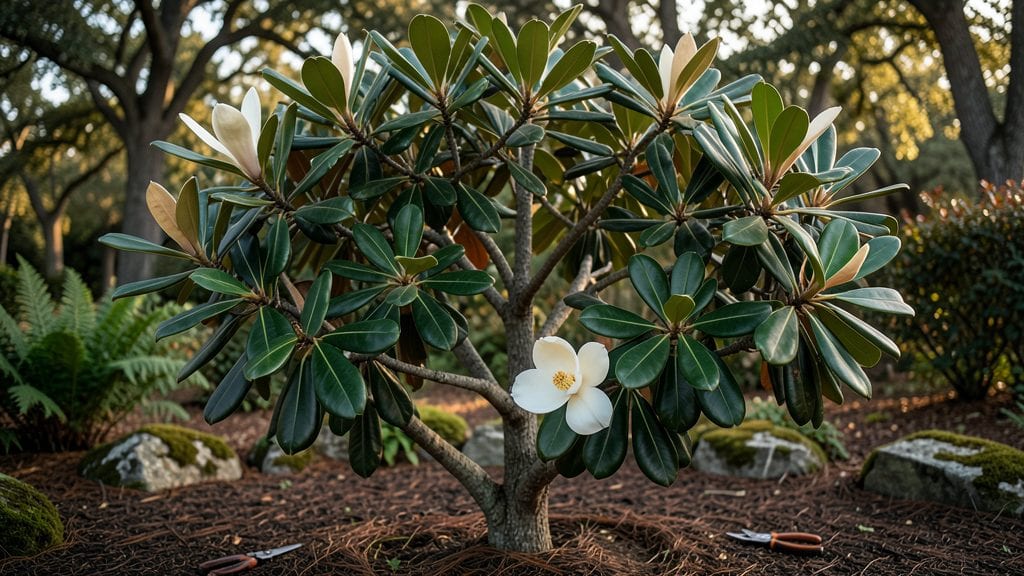
A fragrant magnolia tree transforms your yard into a living perfume factory. 🌿 The moment you plant one, you’re not just adding a tree—you’re creating a sensory experience that starts with spring blooms and lingers through summer evenings.
I’ve seen these trees turn dull backyards into fragrant sanctuaries where neighbors pause to inhale the sweet, creamy scent drifting through the air.
These trees aren’t just about fragrance—they’re the ultimate privacy screen too. Their glossy leaves grow dense enough to block nosy views while still letting sunlight filter through, creating a cozy, shaded retreat.
Varieties like Magnolia grandiflora or Magnolia stellata offer different sizes and bloom times, so you can pick one that fits your space and timeline. Plant it near seating areas or along walkways to maximize the scent’s impact.
What makes them truly special is how they perform year-round. While other plants fade in winter, magnolias keep their evergreen leaves (in most varieties) and even hold onto dried blooms that add texture and interest.
In spring, the fragrance alone draws people outside—imagine morning coffee on the porch with that intoxicating sweetness filling the air. It’s the kind of tree that makes your garden feel like a five-star retreat.
For best results, place yours where it gets morning sun and afternoon shade—this keeps the blooms abundant and the fragrance strong. Pair it with companion plants like azaleas or gardenias to extend the scent season, and watch how your outdoor space becomes a magnet for relaxation.
The investment in a fragrant magnolia isn’t just about beauty; it’s about creating a place that feels like home in every season.
📚 In This Guide
- What you need
- Instructions
- Tips and common mistakes
- Wrapping up and next steps
What you need
- ● Fragrant magnolia tree (e.g., Magnolia grandiflora or Magnolia liliiflora): 1 mature tree (3–5 years old, 6–10 ft tall) for quick privacy
- ● OR 3–5 young saplings (1–3 ft tall) for spacing flexibility
- ● Well-draining soil mix (50% native soil + 50% compost or peat moss)
- ● Organic mulch (3–4 inches, like pine bark or shredded leaves)
- ● Slow-release fertilizer (balanced 10-10-10 or magnolia-specific blend)
- ● Pruning tools: 1 pair of bypass pruners (for small branches)
- ● 1 pair of loppers (for thicker branches, 1–2 inches)
- ● 1 pruning saw (for branches >2 inches)
- ● Disinfectant (70% isopropyl alcohol or bleach solution) for sterilizing tools
- ● Gloves (gardening or heavy-duty work gloves)
- ● Safety glasses (for protection during pruning)
- ● Tree tie or stretchy plant tape (to support young branches if needed)
- ● Soil pH tester (to ensure acidic soil, ideal for magnolias)
- ● Drip irrigation system (for consistent moisture, especially in hot climates)
- ● ✅ Sunlight: Full sun (6+ hours/day) or partial shade (morning sun + afternoon shade)
- ● ✅ Space: Mature tree: 20–30 ft wide and tall (allow for growth!)
- ● Saplings: Space 10–15 ft apart for a hedge effect
- ● ✅ Soil pH: Acidic (4.5–6.0; test or amend with sulfur if needed)
- ● ✅ Water source: Hose or irrigation setup for deep watering (1–2 inches/week)
Step-by-Step guide to planting a fragrant magnolia tree
Here's how to establish a fragrant magnolia that thrives for decades.
🌱 Step 1: Choose the Perfect Planting Location
Magnolias need full sun to partial shade—at least 6 hours of sunlight daily—but they tolerate light shade in hot climates. I always pick a spot with well-draining soil and shelter from strong winds, which can damage their delicate branches. Avoid low areas where water pools after rain, as soggy roots lead to root rot.
Test your soil by digging a 12-inch hole—if it stays wet for more than a day, amend with 2-3 inches of compost or plant on a slight mound. The fragrance is strongest in morning sunlight, so position it where you'll enjoy the scent from patios or walkways. Mark the spot with a stake to avoid disturbing roots later.
🪴 Step 2: Prepare the Planting Hole
Dig a hole twice as wide as the root ball but only as deep as the container. This encourages roots to spread horizontally rather than settling too deep. Loosen the sides of the hole with a shovel to prevent soil compaction around the roots. Magnolias hate disturbed roots, so handle the root ball gently—never let it dry out before planting.
If your soil is heavy clay, mix in 1 part compost from the ingredients list to 2 parts native soil in the bottom of the hole. This improves drainage without overwhelming the tree. Gently remove the magnolia from its container and place it in the hole so the top of the root ball sits 1 inch above ground level. This prevents water from pooling around the trunk.
💧 Step 3: Plant and Water Thoroughly
Backfill the hole with the native soil mixture, tamping lightly every 2-3 inches to remove air pockets. Never pack the soil tightly—this restricts root growth. Water the tree immediately with 5 gallons of water to settle the soil and eliminate air gaps. You'll see the soil sink slightly as it absorbs moisture.
Mulch the base with 2-3 inches of mulch, keeping it 6 inches away from the trunk to prevent rot. Use 4 bags of mulch spread evenly in a circle around the planting area. Water again after mulching to help it settle. Avoid overwatering—magnolias prefer moist but well-drained soil and can't tolerate soggy conditions.
☀️ Step 4: Provide Ongoing Care for Establishment
Water once a week for the first year, providing 10-15 gallons during dry spells. You'll know it's time to water when the top 2 inches of soil feel dry. Magnolias establish slowly, so consistent moisture is critical during their first two growing seasons. Fertilize in early spring with a slow-release fertilizer to support root growth.
Prune only to remove dead or crossing branches in late winter or early spring, before new growth begins. Avoid heavy pruning—magnolias flower on old wood, and aggressive cuts reduce blooms. Watch for aphids or scale insects on new growth; treat with neem oil if you spot sticky residue on leaves. The first fragrant blooms may appear in 3-5 years, but patience pays off with decades of beauty.
Tips & tricks for planting a fragrant magnolia tree
A few simple strategies will help your magnolia thrive and reward you with decades of fragrant blooms.
Location is Everything: In Step 1, when choosing your planting spot, prioritize areas with morning sunlight where you'll enjoy the fragrance most. I've found that positioning the tree near seating areas or walkways maximizes scent enjoyment. Also, avoid planting near large trees that will compete for sunlight and nutrients—magnolias need space to establish their root system.
Soil Preparation Secret: The 12-inch hole test in Step 1 is crucial—if your soil stays wet longer than a day, you're dealing with poor drainage. For heavy clay soils, I recommend mixing in 2-3 inches of compost throughout the entire hole, not just the bottom. This ensures proper drainage while still providing nutrients. Planting on a slight mound also helps prevent water pooling around the roots.
Planting Technique: When placing your magnolia in the hole during Step 2, make sure the top of the root ball sits 1 inch above ground level. This small elevation prevents water from pooling around the trunk, which can cause rot. Gently loosen the roots if they're circling in the container—this encourages outward growth rather than a tight root ball.
Watering Wisdom: The 5 gallons of water in Step 3 should be applied slowly to allow the soil to absorb moisture evenly. After mulching, water again to help settle the mulch layer. For the first year, I set a reminder to water once a week, but always check the top 2 inches of soil first—it should be slightly dry before watering again. Overwatering is the #1 cause of magnolia failure.
Pro Tips for Fragrant Magnolia Tree
- A few simple strategies will help your magnolia thrive and reward you with decades of fragrant blooms.
- Location is Everything: In Step 1, when choosing your planting spot, prioritize areas with morning sunlight where you'll enjoy the fragrance most.
- Soil Preparation Secret: The 12-inch hole test in Step 1 is crucial—if your soil stays wet longer than a day, you're dealing with poor drainage.
Frequently asked questions
Got questions about growing and maintaining your fragrant magnolia tree? Here are some common concerns—and their answers—to help you cultivate a stunning, fragrant privacy screen with ease.
When is the best time to plant a fragrant magnolia tree?
The ideal time to plant a magnolia is in early spring or fall (4–6 weeks before the first frost). This gives roots time to establish before extreme temperatures. Avoid planting in summer heat or winter cold, as stress can hinder growth. Choose a day with overcast skies to reduce transplant shock.
How do I encourage more fragrant blooms on my magnolia?
Fragrant magnolias thrive in full sun to partial shade (6+ hours of sunlight daily). Prune lightly in late winter or early spring to remove dead branches and improve airflow. Avoid heavy pruning—it can reduce flowering. Mulch the base with organic material (like wood chips) to retain moisture and nutrients, which supports vibrant blooms.
Can I prune a fragrant magnolia at any time of year?
Prune only in late winter or early spring (before buds swell) to avoid removing next year’s flowers. Never prune after mid-summer, as this can stimulate tender new growth that may be damaged by frost. If you must remove a dead branch outside this window, do so carefully to minimize stress on the tree.
What pests or diseases should I watch for in my magnolia?
Common issues include magnolia scale (a sap-sucking insect), powdery mildew (white fungal spots), and bacterial leaf spot. Treat scales with horticultural oil; improve airflow to prevent mildew. Remove infected leaves promptly. Healthy soil and proper watering (deep but infrequent) reduce susceptibility.
How fast does a fragrant magnolia grow, and when will it provide privacy?
Most fragrant magnolias grow 1–2 feet per year, reaching 15–30 feet tall at maturity (depending on the variety). For quick privacy, plant multiple trees spaced 10–15 feet apart. Dwarf varieties (like ‘Ann’ or ‘Little Gem’) grow slower but are great for smaller spaces. Patience is key—full privacy may take 5–10 years!
Wrapping up and next steps
The fragrant magnolia tree isn’t just a stunning addition to your landscape—it’s a year-round privacy powerhouse with intoxicating blooms and lush foliage. With the right pruning techniques, you’ll keep it healthy, encourage vibrant growth, and enjoy its natural beauty for decades. 🌸
Ready to transform your outdoor space? Start by gathering your tools and scheduling your first pruning session this spring. Your fragrant magnolia—and your neighbors—will thank you!