
Trees
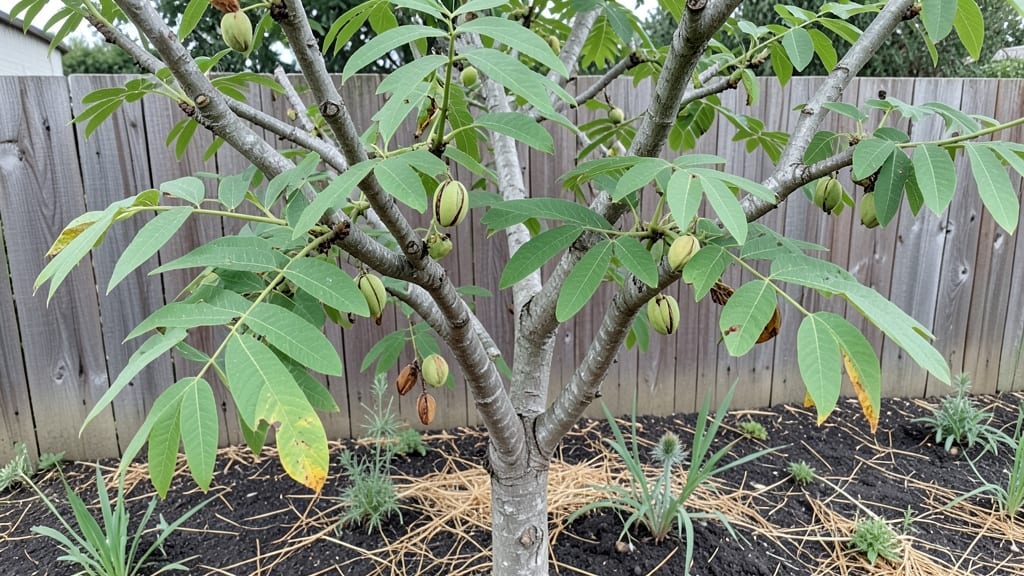
Growing pistachio trees that actually produce fruit feels like unlocking a desert oasis in your backyard. 🌿 I planted my first tree thinking it was just another ornamental shrub—until I learned the exact conditions that turn them from pretty foliage into heavy fruit producers.
The key isn't just soil or water; it's timing, pruning, and understanding their Mediterranean roots.
Pistachios thrive in hot, dry climates with well-draining soil and full sun—think Southern California or similar zones. They need deep roots, so plant in loose, sandy loam with a pH between 6.5 and 8.0.
Young trees need consistent watering, but mature ones are shockingly drought-tolerant once established. The real game-changer? Pollination—most varieties need a second tree for cross-pollination, and bees love the spring blooms.
By year three, you'll see those signature green-and-tan shells if you've nailed the basics: winter pruning to open the canopy, summer watering to prevent stress, and regular fertilization with nitrogen-heavy mixes.
The first harvest might be small, but each year brings more clusters—imagine fresh nuts straight from your tree by late summer.
Works for home orchards, large farms, or even container growing in warm microclimates. The secret isn't just patience—it's knowing when to push and when to let nature take over. Let's get those trees fruiting!
📚 In This Guide
- What you need
- Instructions
- Tips and common mistakes
- Wrapping up and next steps
What you need
- ● Pistachio Tree Varieties: 1-5 trees (depending on space) – Recommended varieties: Kerman, Peters, or Golden Hills (self-pollinating or cross-pollinating pairs).
- ● Soil & Amendments: Well-draining soil (pH 6.5–7.5).
- ● Compost or aged manure (5–10 lbs per tree annually).
- ● Balanced fertilizer (e.g., 10-10-10 or 8-3-9) – 1–2 lbs per tree per year (split into 3 applications).
- ○ Zinc sulfate (optional but critical for pistachios – 0.5–1 lb per tree annually).
- ● Watering Supplies: Drip irrigation system (1–2 gallons per tree per day during peak season).
- ● Soaker hoses or sprinklers (backup option).
- ● Shovel and transplanting spade.
- ● Pruning shears (bypass pruners, 6–8 inch blades).
- ● Loppers (for thicker branches).
- ● Hand pruners (for precision trimming).
- ● Grafting tools (if propagating from cuttings).
- ● Soil test kit (to monitor pH and nutrients).
- ● Mulch (straw, wood chips, or pine bark – 2–3 inch layer).
- ● Pollination aids (e.g., honeybees or bumblebee boxes for cross-pollinating varieties).
- ● Frost protection (e.g., row covers or sprinklers for young trees).
- ● Pest/disease monitors (e.g., pheromone traps for aphids or botrytis).
- ● Harvesting tools (e.g., nut pickers or mesh bags).
Step-by-step guide to cultivating fruiting pistachio trees
Here’s how I transform pistachio trees into reliable producers with consistent harvests—no guesswork involved.
🌱 Step 1: Select and Prepare the Right Site
Pistachio trees thrive in hot, dry climates with full sun exposure (at least 8 hours daily) and well-draining soil. I always choose a location with sandy loam—the texture prevents root rot while allowing water to penetrate quickly. If your soil is heavy clay, amend it with 3-4 inches of coarse sand mixed into the top 12 inches of soil before planting.
Test your soil’s pH—pistachios prefer 7.0-8.0. If yours runs acidic, add dolomitic lime to raise the pH gradually over 3-6 months before planting. Avoid low-lying areas where cold air pools, as pistachios are sensitive to frost and can suffer damage below 20°F. A south-facing slope with good air circulation keeps the orchard healthy year-round.
🪴 Step 2: Plant Trees at the Correct Depth and Spacing
Dig a hole twice as wide as the root ball but no deeper—pistachios hate being buried too deep, which can suffocate roots. Place the tree so the graft union (the swollen area where the scion meets the rootstock) sits 2-3 inches above soil level. This ensures the tree develops a strong root system while protecting it from moisture-related diseases.
Space trees 30-40 feet apart in rows 30-40 feet apart to allow for proper airflow and future equipment access. Pistachios grow large, with mature canopies reaching 20-30 feet wide, so crowding leads to disease and poor yields. Backfill the hole with the native soil you removed, tamping gently to eliminate air pockets. Water deeply immediately after planting to settle the soil around the roots.
☀️ Step 3: Establish Irrigation and Fertilization for Early Growth
Pistachios are drought-tolerant once established, but young trees need consistent moisture to develop strong roots. Install a drip irrigation system with emitters spaced 12-18 inches apart along the tree’s drip line. Water deeply twice weekly during the first growing season, ensuring 1-2 inches of water per session. Overhead sprinklers encourage fungal diseases, so avoid them entirely.
Fertilize with a balanced 8-8-8 or 10-10-10 formula at ¼ pound per tree in early spring, just as new growth begins. Pistachios are heavy feeders, so split applications into three doses: early spring, late spring, and early summer. Monitor leaf color—dark green leaves indicate proper nutrition, while yellowing signals nitrogen deficiency or overwatering. Adjust fertilizer ratios accordingly, increasing nitrogen slightly if leaves pale.
✂️ Step 4: Prune for Structure and Fruit Production
Prune young pistachio trees annually in late winter (just before buds swell) to establish an open-center canopy. Remove suckers (vigorous shoots growing from the base or trunk) and water sprouts (vertical shoots growing from the trunk or branches). These compete with fruit-bearing wood for energy. Cut back one-third of the previous year’s growth to encourage branching and airflow.
Mature trees need selective pruning to maintain shape and remove dead, diseased, or crossing branches. Pistachios produce male and female flowers on separate trees, so ensure you have both for pollination. Thin fruit clusters to 3-4 nuts per bunch when they’re pea-sized—this prevents overcrowding and improves nut quality. Prune only on dry days to minimize disease risk, and sterilize pruners with 70% rubbing alcohol between cuts.
🌿 Step 5: Manage Pollination and Harvest for Maximum Yield
Pistachios require cross-pollination between male and female trees. Plant one male tree for every 5-7 female trees to ensure adequate pollination. Bees are the primary pollinators, so avoid broad-spectrum pesticides during bloom (late spring). If bee activity is low, hand-pollinate by gently brushing male flowers onto female ones with a soft brush on dry, windless mornings.
Harvest begins in late summer to early fall, when the hulls split open naturally. Shake the tree gently to dislodge nuts, then collect them from the ground. Process immediately—leaving nuts on the ground for more than 24 hours risks mold and pest damage. Sort nuts by size and discard any with hulls still attached or signs of damage. Store in a cool, dry place (ideal 50-60°F) for up to 6 months to maintain freshness.
Tips & tricks for cultivating thriving pistachio orchards
These battle-tested strategies will help you avoid common pitfalls and maximize your pistachio harvest year after year.
Site Selection Wisdom: The 8 hours of daily sun requirement is non-negotiable—pistachios won't fruit well in partial shade. I scout locations for at least 2 hours before committing, checking for both sunlight exposure and wind patterns. That south-facing slope recommendation isn't just about warmth; it's about creating microclimates that prevent frost pockets from forming below 20°F. Consider installing a weather station near your site to track temperature fluctuations—this will help you anticipate frost risks during critical bloom periods.
Planting Precision: When placing that graft union 2-3 inches above soil level, use a small stake marked with measurements to ensure consistency across multiple trees. The sandy loam amendment in Step 1 should be thoroughly mixed—don't just top-dress. I've seen growers skip this and end up with waterlogging issues that suffocate roots. For the 30-40 foot spacing, visualize your mature tree canopy (20-30 feet wide) and add extra room for equipment access—you'll thank yourself when harvest time comes.
Irrigation Strategy: That 12-18 inch emitter spacing along the drip line is crucial for even moisture distribution. I recommend installing flow meters on your irrigation lines to monitor water usage—pistachios are drought-tolerant once established, but young trees need precise watering. The twice-weekly schedule should be adjusted based on rainfall; always ensure 1-2 inches of water per session reaches the root zone. Overhead sprinklers aren't just discouraged—they're dangerous for fungal diseases like botrytis, which can devastate your crop.
Frost Protection: The 20°F frost sensitivity threshold is where most growers make mistakes. I've seen entire orchards damaged by unexpected late frosts. Consider installing frost fans or micro-sprinklers for young trees during critical bloom periods. These systems can raise temperatures by 5-10°F when needed. Also, monitor your local frost-free date and adjust planting timing accordingly—sometimes delaying planting by a few weeks can mean the difference between a good harvest and a total loss.
Pro Tips for Fruiting Pistachio Trees
- These battle-tested strategies will help you avoid common pitfalls and maximize your pistachio harvest year after year.
- Site Selection Wisdom: The 8 hours of daily sun requirement is non-negotiable—pistachios won't fruit well in partial shade.
- Planting Precision: When placing that graft union 2-3 inches above soil level, use a small stake marked with measurements to ensure consistency across multiple trees.
Frequently asked questions
How long does it take for pistachio trees to bear fruit?
A pistachio tree typically takes 4–7 years to produce its first harvest, depending on climate, variety, and care. Dwarf varieties may fruit sooner (3–5 years), while standard trees can take longer. Patience is key—focus on proper pruning, watering, and soil health to speed up fruiting!
When is the best time to harvest pistachio nuts?
Harvest pistachios when the shells split open naturally (usually late summer to early fall, August–October in most regions). The nuts should be fully mature but still firm inside. Test a few nuts—if they’re plump and greenish inside, it’s time to pick! Avoid harvesting too early or late.
Why aren’t my pistachio trees producing nuts?
Common culprits include inadequate pollination (pistachios are self-pollinating but benefit from cross-pollination), nutrient deficiencies (especially zinc or boron), or stress from drought/heat. Check for healthy flowers in spring, ensure proper watering, and test soil pH (ideal: 6.5–7.5).
Can pistachio trees fruit every year?
Yes! With ideal conditions—consistent watering, balanced fertilization, and minimal stress—pistachio trees can produce nuts annually. However, heavy crops one year may reduce the next (a natural cycle). Prune to improve airflow, manage pests, and avoid over-fertilizing with nitrogen to encourage steady yields.
Do pistachio trees need cold weather to fruit?
Most pistachio varieties require chill hours (200–500 hours below 45°F/7°C) to break dormancy and set fruit. Without sufficient cold, trees may produce fewer nuts or none at all. If you’re in a warm climate, choose low-chill varieties (like Kerman or Peters) or use artificial chilling methods if needed.
Wrapping up and next steps
Growing fruiting pistachio trees is a rewarding journey that blends patience, care, and a touch of science. With the right soil, watering techniques, and seasonal adjustments, you can unlock year-round harvests and bountiful yields. Remember, consistency is key—whether you’re pruning, managing pests, or monitoring cross-pollination.
Now that you’re armed with these secrets, it’s time to roll up your sleeves and get hands-on! Start by planting your first tree or tending to your existing orchard—every step brings you closer to that first golden harvest. Happy growing! 🌱✨