Pests and Diseases
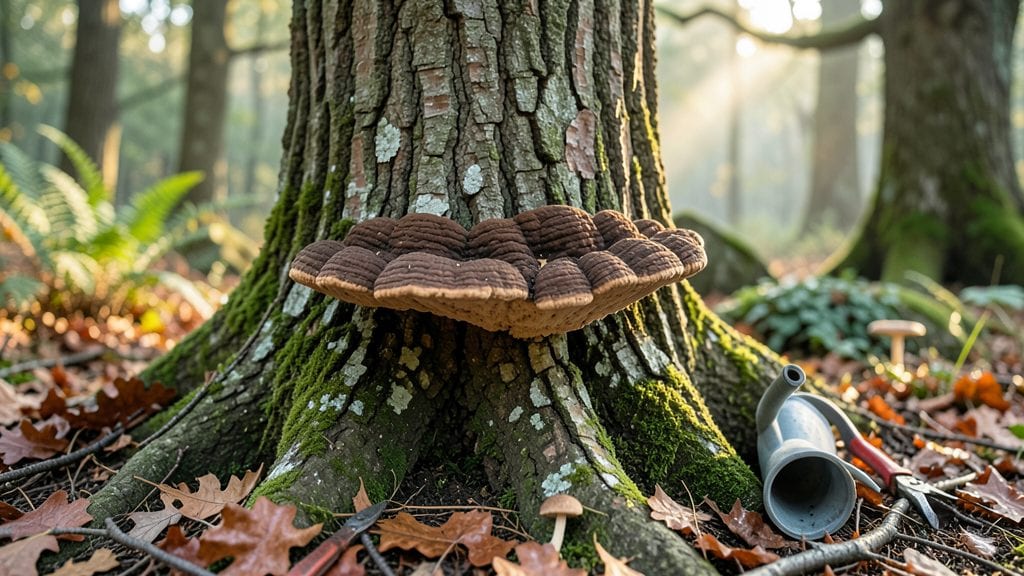
Fungi on tree trunks can turn a healthy oak into a sad, spotted skeleton before you know it. I’ve seen it ruin backyard shade trees in just a couple of seasons—those weird black streaks or fuzzy patches aren’t just cosmetic.
The key to saving your tree is catching these infections early before they spread deeper into the bark.
Most of these fungi thrive when trees are stressed—whether from drought, poor soil, or past injuries. The classic signs are sunken lesions, oozing sap, or that weird crusty growth (like shelf fungi or cankers). The good news?
You can often stop it with basic tools: a sharp pruner, some copper fungicide, and a little elbow grease. I’ve used this exact approach to rescue three dying trees in my own yard.
By the time you’re done, your tree will look like it’s breathing again—no more oozing wounds or mushroom sprouts. The secret is acting fast: clean up debris, seal wounds properly, and give the tree what it needs to fight back.
We’ll cover the exact steps, from pruning to prevention, so you don’t end up with a hollow trunk.
This works for common fungi like anthracnose, cankers, or even those nasty wood-rotting types. Whether your tree is a maple, oak, or fruit-bearing variety, the principles stay the same. Let’s get that bark looking healthy again.
Root Causes Of Fungal Growth
Fungi on tree trunks aren’t just a random occurrence—they thrive due to a mix of environmental, biological, and sometimes human-related factors. Understanding these causes helps you address the issue before it spreads or damages your trees.
Below, we break down the most common reasons fungi take hold on tree bark, along with the science behind them.
Fungi love moisture—it’s their lifeblood. When tree trunks stay damp for extended periods, spores germinate and grow rapidly. Here’s why excess moisture creates the perfect fungal buffet:
- Waterlogged bark: Heavy rain, poor drainage, or overwatering (yes, even trees can be overwatered!) trap moisture against the trunk. Bark acts like a sponge, holding onto water and creating ideal conditions for fungal spores to land and colonize.
- Fungal spores in the air: Spores are everywhere, but they need moisture to activate. A soggy trunk is like a welcome mat for Armillaria (shelf fungi), Heterobasidion (root rot fungi), or even Nectria (a common canker-causing fungus).
- Shady, humid microclimates: Trees in low-light areas or dense forests retain moisture longer. If your yard has poor airflow around the base of the tree, fungi have a field day.
💡 Pro Tip: Improve drainage by amending soil with compost or installing French drains. Space mulch at least 6 inches away from the trunk to prevent moisture buildup.
Healthy trees have natural defenses—thick bark, resin, and antimicrobial compounds—but when these systems fail, fungi move in like uninvited guests at a dinner party. Here’s what compromises a tree’s immunity:
- Physical damage: Cracks, wounds from storms, or even improper pruning create entry points for fungi. Cankers (sunken, discolored lesions) often form where bark is broken, inviting pathogens like Valsa or Cytospora.
- Nutrient deficiencies: Trees stressed by poor soil (lack of nitrogen, phosphorus, or potassium) produce weaker bark and slower healing. Fungi exploit this vulnerability.
- Pest infestations: Insects like bark beetles or borers create tunnels that expose inner tissues to fungal infections. For example, Ophiostoma often hitchhikes with beetles into fresh wounds.
- Drought stress: Paradoxically, extreme drought weakens trees, making them more susceptible to fungal attacks once moisture returns. Think of it as a tree with a compromised immune system.
🌡️ Actionable Fix: Prune trees in dry conditions to prevent wound infections. Apply a wound dressing (like Tanglefoot) to large cuts, and fertilize with balanced, slow-release nutrients to boost resilience.
Trees in competition—whether with other plants, structures, or environmental stressors—often develop fungal issues. Here’s how overcrowding and stress play a role:
- Competition for resources: When roots are cramped (e.g., in urban settings or dense plantings), trees divert energy from bark maintenance to survival. Weakened bark becomes an easy target for Polyporus (shelf fungi) or Ganoderma (reishi-like fungi).
- Root girdling: Roots growing against sidewalks, foundations, or mulch choke the tree, reducing nutrient flow. This stress makes trees more prone to Armillaria root rot, which can kill entire stands.
- Improper planting depth: Burying the trunk too deep (or planting too shallow) suffocates roots and stunts growth, leaving the tree vulnerable to fungal pathogens.
✨ Prevention Tip: Space trees 1.5–2 times their mature width apart to reduce competition. If replanting, ensure the root flare (where roots meet the trunk) is visible above ground.
Fungi don’t work alone—they spread via spores, and if infected trees or debris are nearby, your tree is at risk. Here’s how spores jump the gap:
- Wind and water dispersal: Spores from infected leaves, fallen branches, or other trees can travel miles. For instance, Hypoxylon (a common canker fungus) releases spores that hitch rides on wind currents.
- Contaminated tools or mulch: Pruning shears, stakes, or even mulch from infected wood can transfer spores. Phytophthora (a soil-borne fungus) often spreads this way.
- Animal activity: Birds, squirrels, or even humans can carry spores on feet or feathers, depositing them on tree trunks.
🔥 Best Practice: Sterilize tools with 70% isopropyl alcohol between uses. Remove and dispose of infected wood (don’t chip it—burning is safest). If possible, plant resistant species in high-risk areas.
By tackling these root causes—moisture, stress, crowding, and spores—you can starve fungi of the conditions they need to thrive. The key is early intervention, whether that means improving drainage, pruning properly, or isolating infected trees before the problem spreads.
Practical steps to remove fungal growth
Fungal growth on tree trunks might seem intimidating, but with the right approach, you can restore your trees to health—and even prevent future outbreaks. The key is identifying the type of fungus (as discussed in the previous section) and applying targeted, eco-friendly solutions.
Below, we break down cause-specific fixes, from quick remedies to long-term prevention, so you can tackle the problem safely and effectively.
If the growth is non-parasitic (like shelf fungi or moss), the primary concern is aesthetics—not tree health. These fungi thrive in damp, shaded conditions but rarely harm the tree itself.
🔥 Clean It Up (Gently!)
- Scrape or Brush Off 🧹
- Use a plastic scraper or soft-bristle brush to remove loose growth.
- Avoid metal tools—they can damage bark and spread spores.
- Pro Tip: Work on a dry day to prevent slipping and reduce spore dispersal.
- Vinegar or Hydrogen Peroxide Spray 💦
- Mix 1 part white vinegar with 3 parts water or use 3% hydrogen peroxide in a spray bottle.
- Lightly mist the area (avoid oversaturating the bark).
- Why? Vinegar’s acidity disrupts fungal spores, while hydrogen peroxide acts as a mild disinfectant.
- Prune Overhanging Branches 🌿
- Improve airflow by trimming branches that block sunlight or trap moisture.
- Sterilize pruners with rubbing alcohol between cuts to prevent cross-contamination.
🌡️ Prevention Tips for Non-Parasitic Fungi
- Boost sunlight exposure by thinning dense foliage.
- Install drip irrigation (if applicable) to reduce water pooling at the trunk.
- Apply a bark sealant (non-toxic, like beeswax-based) to deter future growth.
If the fungus is canker, heart rot, or Armillaria (honey fungus), immediate action is critical. These types weaken wood structure, invite pests, and can kill the tree if untreated.
🔪 Step-by-Step Removal for Severe Cases
- Remove Infected Bark or Wood ⚡
- For cankers (sunken, dead patches), use sterilized pruning shears to cut out the affected area at least 6 inches beyond visible damage.
- For heart rot, consult an arborist—large cavities may require structural support or removal.
- Apply Fungicide (Targeted Treatment) 💊
- Use a copper-based fungicide (e.g., Bordeaux mixture) or propiconazole (for serious rot).
- Follow label instructions—never spray in windy conditions or during rain.
- Caution: Avoid systemic fungicides (like those for lawns)—they can harm the tree if misapplied.
- Seal Wounds Properly 🛡️
- After pruning, coat cuts with pruning sealant (like Tanglefoot Tree Wound Pruning Seal).
- Why? Sealants prevent secondary infections from bacteria or insects.
🌟 Long-Term Prevention for Parasitic Fungi
- Improve tree health with balanced fertilization (test soil first!).
- Water at the base (not overhead) to keep foliage dry.
- Mulch correctly: Keep mulch 3–4 inches deep and 6 inches away from the trunk to prevent moisture buildup.
- Monitor for stress: Overwatering, drought, or compacted soil weaken trees—fix these first.
If you prefer non-chemical solutions, try these eco-friendly fixes:
| Remedy | How to Use | Best For |
|---|---|---|
| Neem Oil Spray | Mix 1 tsp neem oil + 1 tsp mild soap + 1 quart water. Spray affected areas. | Early-stage shelf fungi, moss |
| Baking Soda Solution | 1 tbsp baking soda + 1 gallon water. Spray lightly (test on a small area first). | Powdery mildew-like growths |
| Beneficial Bacteria | Apply Mycorrhizal fungi (like MycoApply) to outcompete harmful spores. | Weakened trees prone to rot |
✨ Pro Tip: Reapply every 4–6 weeks during growing seasons for best results.
- Don’t use bleach or harsh chemicals—they can burn bark and harm beneficial microbes.
- Avoid over-pruning—stressed trees are more vulnerable to fungal attacks.
- Don’t ignore large cavities—if heart rot is extensive, removal may be the safest option.
Final Thought: Most fungal issues on tree trunks are manageable with early intervention. Start with cleanup and prevention, then escalate to fungicides or professional help if needed. Your trees will thank you—and your yard will stay healthy and beautiful! 🌳💚
Frequently asked questions about tree trunk fungi
Are shelf fungi (like bracket fungi) harmful to my tree?
Most shelf fungi are non-parasitic and only affect the tree’s appearance—not its health. However, they can signal stress or decay if they appear on weakened trees. Remove them to prevent moisture buildup and improve airflow around the trunk.
How can I tell if fungal growth is serious or just cosmetic?
Serious fungi (like cankers or heart rot) show sunken lesions, oozing sap, or discolored bark. Cosmetic growth (like moss or shelf fungi) stays on the surface. If you see cracks, cavities, or dying branches, act fast—these are red flags for parasitic fungi.
What’s the safest way to remove fungal growth without harming the tree?
Use a plastic scraper or soft brush to gently remove growth, then spray with a vinegar-water mix (1:3 ratio) or 3% hydrogen peroxide. Avoid metal tools—they can spread spores and damage bark. Always work on a dry day.
Can I use household items like vinegar or baking soda to treat fungal infections?
Yes! A vinegar-water spray disrupts spores, while baking soda (1 tbsp/gallon water) works for mild mildew-like growths. For tougher infections, combine these with neem oil (1 tsp + soap + water) and reapply every 4–6 weeks during growing seasons.
When should I call an arborist instead of treating the fungus myself?
Consult an expert if you see large cavities, extensive rot, or oozing wounds—these may require professional pruning or structural support. Also call if the tree is a valued specimen (e.g., heritage oak) or if fungi keep returning despite your efforts.