
Pests and Diseases
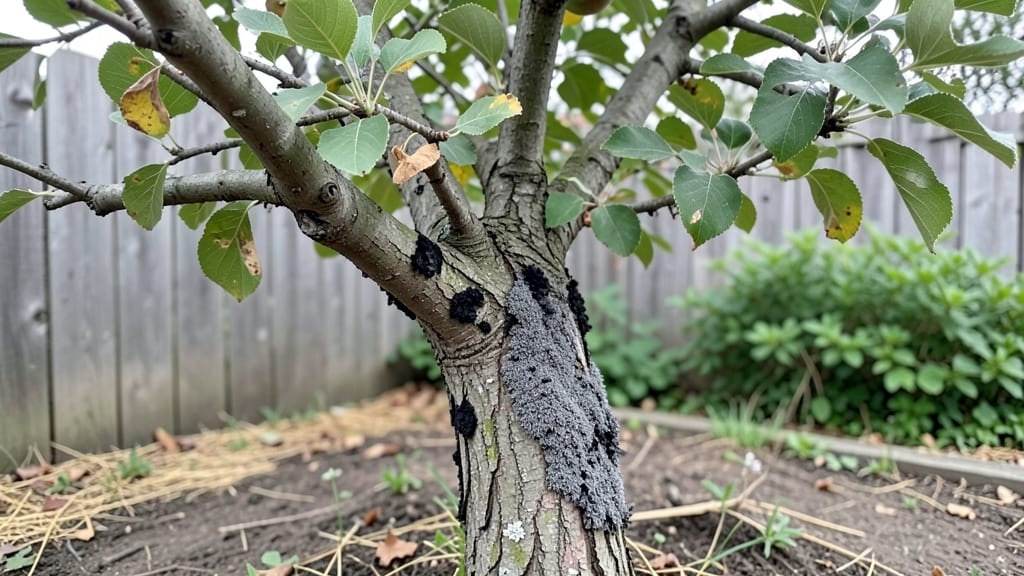
Fungus creeping up your apple tree trunk is a silent thief of fruit and health—those sunken cankers or fuzzy black spots mean trouble if you don’t act fast. 🌿 I’ve seen trees go from thriving to struggling in just one season when this goes untreated, and the worst part?
Most homeowners don’t even realize it’s spreading until it’s too late. The good news? You can stop it before it kills your tree with the right moves.
This isn’t about expensive sprays or harsh chemicals—it’s about understanding what’s really happening. Fungal infections like canker or rot love damp wood and weak spots, often sneaking in through pruning wounds or cracks.
The key is catching it early: look for dark, sunken patches, oozing sap, or even just a weird discoloration on the bark. Once you spot it, you can prune it out, treat it with organic solutions, and protect your tree before the fungus wins.
By the time you’re done, your apple tree will be on the mend—no more dead branches, no more wasted harvests. You’ll know exactly what to watch for next season to keep it healthy, and your neighbors will be asking how you got such a productive tree.
The best part? These methods work for other fruit trees too, so you’re not just saving one tree—you’re learning a skill that pays off for years.
Now, let’s get your tree back to its best. We’ll cover the exact steps to identify the fungus, the organic treatments that actually work, and how to keep it from coming back—so you can enjoy fresh apples for seasons to come.
Root Causes Behind Tree Trunk Fungus
Fungal growth on an apple tree trunk isn’t just an unsightly nuisance—it’s often a symptom of deeper issues. Understanding why these pathogens take hold is the first step to stopping them before they spread.
Below, we break down the most common triggers, from environmental factors to tree stress, with clear explanations of how each contributes to the problem.
Fungi thrive in damp conditions, and apple tree trunks are no exception. When moisture lingers on the bark—whether from heavy rain, overhead irrigation, or poor soil drainage—it creates the perfect breeding ground for pathogens like Valsa (canker fungus) or Nectria. Here’s how it happens:
- Waterlogged bark: Prolonged wetness softens the bark, making it easier for fungal spores to penetrate. Even a single day of heavy rain can leave the trunk damp for hours, especially if the tree is planted in clay-heavy soil.
- Splashback from soil: Irrigation systems that spray water directly onto the trunk (rather than at the base) can fling fungal spores upward, accelerating infection.
- Shade and humidity: Trees in low-light areas or dense plantings retain moisture longer, increasing fungal activity. Fungal spores also spread faster in humid climates (above 70% relative humidity).
Actionable fix: Improve drainage by amending soil with compost or sand, and avoid overhead watering. Use drip irrigation targeted at the root zone instead.
A weakened apple tree is far more susceptible to fungal attacks. Stress signals—like drought, nutrient deficiencies, or extreme temperatures—compromise the tree’s natural defenses, allowing fungi to colonize more easily. Common stress triggers include:
| Stress Factor | How It Weakens the Tree | Fungal Response |
|---|---|---|
| Drought | Reduces sap flow, starving the tree of nutrients and making bark brittle. | Fungi like Botryosphaeria exploit cracks, entering through wounds. |
| Nutrient deficiencies (e.g., nitrogen, potassium) | Slows cell regeneration, leaving bark vulnerable to abrasions. | Valsa cankers spread faster in malnourished trees. |
| Temperature swings (freeze-thaw cycles) | Causes bark to split, creating entry points for spores. | Cold-weather fungi (e.g., Cryphonectria) thrive in damaged tissue. |
Actionable fix: Monitor soil moisture with a moisture meter, apply balanced fertilizer in early spring, and mulch to insulate roots from temperature extremes.
Fungi often exploit any break in the bark’s protective layer. Pruning cuts, animal scratches, hail damage, or even rubbing branches can create gateways for spores. Once inside, fungi like Nectria or Phomopsis can:
- Form cankers (sunken, discolored lesions) that girdle the trunk, cutting off nutrient transport.
- Produce fruiting bodies (e.g., black pycnidia or orange spores) that spread to other trees via wind or tools.
- Weaken structural integrity, increasing the risk of branch dieback or tree collapse.
Actionable fix: Prune in dry conditions (avoid wet wood), sterilize pruning tools with 70% rubbing alcohol between cuts, and seal wounds with organic tree wound paint (like Tanglefoot Fungus-Defying Wound Sealant).
Apple trees planted too closely together or surrounded by dense shrubbery create a microclimate that traps humidity and spores. Poor airflow:
- Slows evaporation, keeping bark damp longer.
- Allows fungal spores to linger in the air, increasing infection rates.
- Encourages secondary infections (e.g., sooty mold) that thrive on fungal honeydew.
Actionable fix: Space trees 15–20 feet apart, prune to open the canopy, and avoid planting understory plants that block airflow (e.g., ivy or dense ground cover).
Many trunk-infecting fungi (like Armillaria, or "honey mushroom") originate from spores already present in the soil or nearby mulch. These spores:
- Lie dormant until conditions (moisture, warmth, stress) trigger germination.
- Infect through root grafts (shared mycelium between trees) or bark wounds.
- Can persist for years, reinfecting new plantings.
Actionable fix: Test soil for fungal pathogens before planting, rotate crops (avoid replanting apples in the same spot), and solarize infested soil in late summer (cover with clear plastic for 4–6 weeks).
Effective Ways to Treat Tree Trunk Fungus
Fungus on your apple tree trunk isn’t just unsightly—it can weaken the tree, reduce fruit yield, and even kill it if left unchecked. The good news? With the right approach, you can reverse the damage and protect your tree for years to come.
Below, we break down practical, organic solutions tailored to the most common causes of fungal infections, along with prevention tips to keep your tree healthy long-term.
If the fungus stems from excess moisture (like rain, poor drainage, or splashing water) or physical damage (cracks, wounds, or bark splits), your first steps should focus on improving airflow, removing infected areas, and sealing vulnerable spots.
🔥 Step 1: Prune Infected Branches
- 👨🍳 Use sterilized pruning shears (wipe with rubbing alcohol between cuts) to remove any branches with black, powdery, or slimy growth.
- ⏰ Cut 6–12 inches below the visible infection to ensure you remove the entire affected area.
- 🗑️ Dispose of infected branches in a sealed trash bag (do not compost them—this spreads spores!).
🥘 Step 2: Clean and Smooth the Trunk
- 🔪 Scrape away loose or peeling bark with a sterilized knife or wire brush to expose healthy wood.
- 🌡️ Sand rough spots lightly to encourage smooth healing (avoid deep gouges).
- 💡 Pro Tip: If the bark is soft or spongy, the fungus may have penetrated deeper—consider consulting a local arborist.
🛡️ Step 3: Apply a Protective Sealant
- 🎯 Use an organic bark sealant (like beeswax-based products or copper fungicide) to create a barrier against moisture and spores.
- ✨ Avoid plastic wraps or non-breathable coatings—they trap moisture and worsen the problem.
- 📅 Reapply every 1–2 years or after heavy rain.
Fungus thrives in shady, humid, or overcrowded conditions. If your apple tree is struggling with low light, dense foliage, or nearby debris, it’s time to boost airflow and sunlight exposure.
🌿 Step 1: Thin Out Dense Branches
- 🍃 Remove suckers or watersprouts (fast-growing, weak shoots) that block airflow.
- 🌞 Prune to open the canopy—aim for a sunlit, airy structure (about 20–30% of the tree’s volume should be open space).
- 💡 Pro Tip: Never prune in wet weather—wait for a dry day to prevent spreading spores.
💦 Step 2: Reduce Soil Moisture Around the Base
- 🚰 Improve drainage by raising the soil level slightly (mound soil around the trunk to create a berm).
- 🌧️ Avoid overhead watering—use a soaker hose or drip irrigation to keep foliage dry.
- 🍂 Clear debris (leaves, grass, mulch) from the base of the tree (keep a 3–4 foot radius clear).
🌡️ Step 3: Strengthen the Tree’s Defenses
- 💪 Apply a kelp or fish emulsion fertilizer (rich in silica and potassium) to boost natural resistance.
- 🍄 Introduce beneficial microbes like mycorrhizal fungi (available as powders or granules) to outcompete harmful pathogens.
- 🎯 Mulch lightly with wood chips (not fresh sawdust)—keep it 2–3 inches deep and 6 inches away from the trunk.
If you’ve already spotted black knots, cankers, or powdery mildew on the trunk, you’ll need targeted organic treatments to stop the spread.
🍳 Step 1: Spray with Copper or Sulfur-Based Fungicides
- 🛡️ Use copper fungicide (like Bordeaux mixture) or sulfur spray—these are effective against many trunk fungi.
- 📅 Apply in early spring (before buds swell) and again after harvest (or as directed on the label).
- ⚠️ Safety First: Wear gloves and a mask—copper can be toxic to pets if overused.
🌿 Step 2: Try Natural Alternatives
| Treatment | How to Use | Best For |
|---|---|---|
| Neem Oil | Mix 1 tbsp neem oil + 1 tsp mild soap in 1 quart water. Spray trunk and foliage. | Powdery mildew, early-stage infections |
| Baking Soda Spray | 1 tbsp baking soda + 1 tsp oil + 1 gallon water. Spray every 7–10 days. | Preventative for wet conditions |
| Hydrogen Peroxide | 1 part 3% H₂O₂ + 9 parts water. Spray directly on lesions (test a small area first). | Disinfecting wounds |
🔄 Step 3: Monitor and Repeat
- 👀 Check the trunk weekly for new growth—reapply treatments every 2–4 weeks until the fungus disappears.
- 💡 Pro Tip: Rotate treatments (e.g., copper one week, neem the next) to prevent resistance.
Once you’ve treated the infection, prevention is key to avoiding future outbreaks:
✅ 🌞 Plant in full sun (apple trees need 6–8 hours of sunlight daily). ✅ 💧 Water at the base, not overhead—use drip irrigation for best results. ✅ 🍂 Keep the area around the tree clean—remove fallen leaves and fruit promptly. ✅ 🔪 Prune properly—sterilize tools and avoid wounding bark during dry seasons. ✅ 🌱 Choose resistant varieties—some apple cultivars (like Liberty or Enterprise) are naturally fungus-resistant. ✅ 🍄 Apply preventative sprays in early spring (before buds open) with copper or neem oil.
If the fungus spreads rapidly, the trunk oozes sap, or the tree shows signs of dieback, it may need expert intervention.
A certified arborist can: - 🔍 Diagnose deep-rooted infections (like armillaria root rot). - 💥 Perform emergency pruning for severe cases. - 🛠️ Recommend systemic treatments (like soil drenches with beneficial fungi).
By following these targeted, organic solutions, you can save your apple tree and even restore its health—without harsh chemicals. Start with the cause, apply the right treatment, and keep your tree thriving** for years of delicious harvests! 🍏🌳
Frequently asked questions about apple tree trunk fungus
What does fungus on an apple tree trunk look like?
Fungal infections typically appear as dark, sunken cankers with cracked bark, oozing sap, or fuzzy black/moldy growth. Look for discolored patches (gray, brown, or orange), raised edges, or even small mushroom-like structures at the base. Early signs include peeling bark or unusual discoloration.
Can I save my apple tree if the trunk has fungus?
Yes! With early treatment, you can often restore your tree’s health. Prune infected areas, apply organic fungicides (like copper or neem oil), and improve airflow around the trunk. Severe cases may require professional help, but most trees recover fully with proper care.
Is baking soda really effective against tree trunk fungus?
Baking soda can help as a preventative spray (1 tbsp baking soda + 1 tsp oil + 1 gallon water). It’s not a cure-all but works well for mild infections when combined with other treatments. For established fungus, stronger solutions like copper fungicide or hydrogen peroxide are more effective.
How often should I check my apple tree for fungus?
Inspect your tree every 2-4 weeks during growing seasons (spring through fall). Focus on the trunk, major branches, and areas where bark is damaged. After heavy rain or pruning, check immediately—these are high-risk periods for fungal growth.
Will removing infected branches spread the fungus?
Only if you don’t sterilize your tools first! Always wipe pruning shears with rubbing alcohol between cuts, and dispose of infected branches in sealed bags (never compost them). Proper technique prevents spreading spores to healthy parts of the tree.