
Lawn
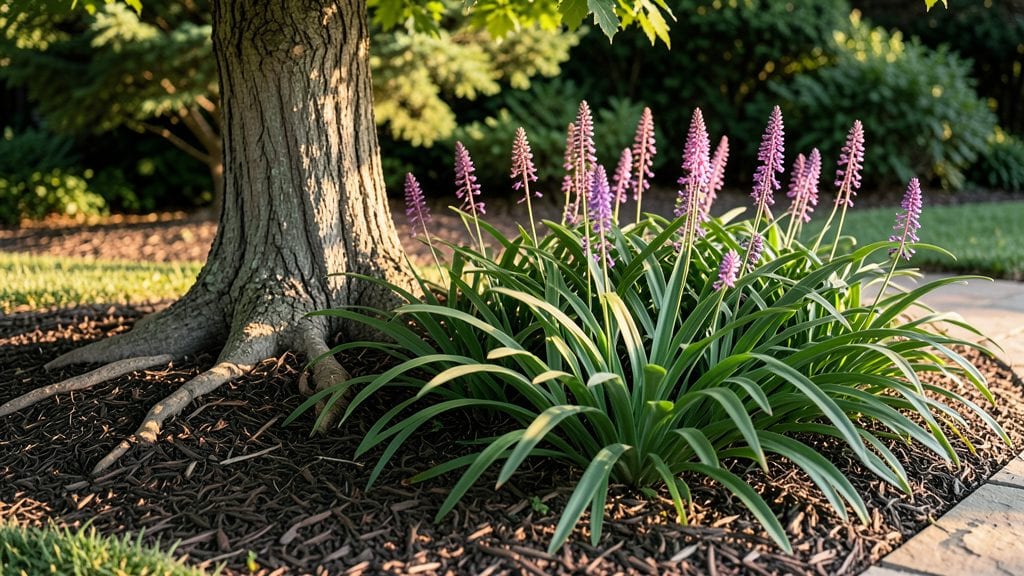
Grass around trees isn't just a lawn issue—it's a silent battle between roots and blades. 🌳 I've lost count of how many trees I've nearly choked out with aggressive mowing, and the brown patches around their trunks were a dead giveaway.
The problem isn't just the grass; it's how we fight it.
Here's the thing—trees and grass want different things. Trees need deep, undisturbed soil and water, while grass thrives on shallow roots and frequent cutting. The solution? A 3-step approach that keeps grass at bay without smothering the tree.
You'll need a 3-inch layer of mulch, a sharp edging tool, and a soaker hose—that's it. No fancy equipment, just smart technique.
By the end, you'll have a clean, strangler-free zone around your trees where grass stays back, roots breathe, and your lawn actually looks intentional. The mulch blocks grass seeds while keeping soil moist, and the right mowing height keeps what little grass sneaks through from competing with your trees.
No more guessing—just results.
This works for any tree size or yard style, from young saplings to century-old oaks. The key is consistency, not perfection. Let's get those tree roots breathing easy again.
📚 In This Guide
- What you need
- Instructions
- Tips and common mistakes
- Wrapping up and next steps
What you need
- ● Edging Tool: 1x Half-moon edger (for precision cuts) OR
- ● 1x Roller edger (for larger areas, 24–36" width)
- ● String Line or Garden Twine: 50–100 ft (for marking guidelines)
- ● Stakes: 10–20 wooden or plastic stakes (6–12" long)
- ● Measuring Tape: 25 ft (for accurate spacing)
- ● Gloves: 1 pair (heavy-duty for grip and protection)
- ○ Knee Pads: 1 pair (optional but highly recommended!)
- ● Edging Iron or Vibrating Plate: For ultra-smooth finishes on hard surfaces
- ● String Trimmer (Weed Whacker): With a narrow edging blade (for trimming close to the tree base)
- ● Edging Sand or Granular Material: 5–10 lbs (to fill gaps and create a polished look)
- ● Spray Paint or Chalk: To mark exact edging lines before cutting
- ● Pruners or Lopper: For trimming stray grass or weeds near the tree trunk
Strategic lawn edging that protects tree roots
Here’s how to create a clean, functional buffer around mature trees without smothering their roots.
🪴 Step 1: Mark and Prepare the Edging Line
Use a 4-foot tape measure to create a 12-inch-wide band around the tree trunk—this gives roots room to breathe while keeping grass contained. I like to use spray paint (not permanent) to mark the outer edge of the edging zone, then step back to visualize the final look. Avoid marking closer than 6 inches from the trunk, as this risks damaging shallow feeder roots.
Next, dig a 2-inch-deep trench along the marked line using a flat-nosed shovel. Keep the trench straight but not perfectly vertical—slightly angled outward helps water drain away from the tree. If you hit roots, back up 3-4 inches and adjust your line. Roots are resilient, but cutting them weakens the tree for years.
✂️ Step 2: Install Physical Barriers
Lay landscape fabric (the 18-inch-wide roll you’ve got) into the trench, overlapping edges by 4 inches to block grass seeds from infiltrating. Secure it with U-shaped landscape staples, pressing them firmly into the soil at 12-inch intervals. The fabric should sit 1 inch below ground level—this prevents it from poking through the surface later.
Now, fill the trench with crushed gravel (the 3 cubic feet you’ve measured). Tamp it down firmly so it doesn’t shift when mowed. For extra protection, add a 1-inch layer of coarse sand on top of the gravel—this creates a smooth transition for the mower while still blocking grass growth. Avoid using fine mulch here; it compacts and traps moisture against the tree.
🌱 Step 3: Finish with Mulch and Maintenance
Spread 3 inches of wood chips (the 5 cubic feet you’ve got) in a 3-foot-wide circle around the tree, keeping it 6 inches away from the trunk. This mimics natural forest conditions, retaining moisture while preventing soil compaction. Use double-shredded hardwood chips—they break down slower and resist clumping.
Water the area lightly after mulching to settle the chips, then avoid stepping on the bed. For long-term success, replenish mulch annually in early spring, adding just 1 inch to maintain the 3-inch depth. This simple routine keeps roots healthy and your edging looking sharp for years.
Tips & tricks for effective tree root protection
Creating a clean, functional lawn edge around trees requires precision—and a few strategic tricks to avoid common pitfalls. Here’s how to elevate your edging game while keeping roots thriving.
Precision Matters in Step 1: When marking that 12-inch-wide band around the trunk, use a 4-foot tape measure to ensure consistency. I’ve found that stepping back to visualize the layout prevents uneven lines. For larger trees, consider using a garden hose to create a perfect circle—it’s surprisingly effective and saves time. The key is maintaining that 6-inch clearance from the trunk; any closer risks damaging shallow feeder roots that are critical for tree health.
Trench Depth and Angle: The 2-inch-deep trench should be slightly angled outward, not perfectly vertical. This subtle slope helps water drain away from the tree, preventing root rot. If you encounter roots while digging, back up 3-4 inches and adjust your line—roots are resilient, but cutting them weakens the tree for years. A flat-nosed shovel is ideal for this step; it gives you better control than a pointed spade.
Landscape Fabric Placement: When laying the 18-inch-wide landscape fabric, overlap edges by 4 inches to create a seamless barrier. Secure it with U-shaped landscape staples every 12 inches, pressing them firmly into the soil. The fabric should sit 1 inch below ground level—this prevents it from poking through the surface later and ensures it stays hidden. If you’re working with multiple trees, cut the fabric to fit each trench individually to avoid waste.
Gravel and Sand Layering: After filling the trench with 3 cubic feet of crushed gravel, tamp it down firmly to eliminate air pockets. For the 1-inch layer of coarse sand on top, use a level to ensure it’s even—this creates a smooth transition for the mower while still blocking grass growth. Avoid using fine mulch in this layer; it compacts and traps moisture against the tree, which can lead to rot over time. A stiff-bristle broom works well for spreading the sand evenly.
Pro Tips for Grass Around Trees
- Creating a clean, functional lawn edge around trees requires precision—and a few strategic tricks to avoid common pitfalls.
- Precision Matters in Step 1: When marking that 12-inch-wide band around the trunk, use a 4-foot tape measure to ensure consistency.
- Trench Depth and Angle: The 2-inch-deep trench should be slightly angled outward, not perfectly vertical.
Frequently asked questions
Got questions about keeping grass around trees without harming them? You’re not alone! Here are some common concerns—and straightforward answers—to help you create a healthy, tree-friendly lawn edge.
Why does grass around trees sometimes look brown or patchy?
Grass near trees often struggles due to shade competition and root competition for water and nutrients. Trees absorb most sunlight and moisture, leaving grass with less to thrive. Mulch or shade-tolerant grass (like fine fescue) can help—just avoid piling mulch directly against the trunk!
How long does it take for grass to recover after edging?
Recovery time varies, but with proper care, you’ll see improvement in 4–8 weeks. Keep the area lightly watered (1–1.5 inches per week) and avoid heavy foot traffic. If grass stays sparse, consider overseeding with a tree-friendly mix in early fall.
What’s a good alternative to grass near trees?
If grass just won’t grow, try these low-maintenance options:
- Mulch: Wood chips or shredded bark (keep 2–4 inches deep, not touching the trunk).
- Ground cover: Creeping thyme, clover, or hostas thrive in shade and suppress weeds.
- Rocks or gravel: Aesthetic and zero-maintenance, but ensure proper drainage.
Will edging grass around trees hurt the tree?
Not if done carefully! Avoid deep cuts (stick to 1–2 inches max) and never damage the root flare (the bulge at the tree’s base). Use a sharp spade or edger and step away from the trunk. Pro tip: If you hit roots, stop and redirect—trees heal slowly!
When is the best time to edge grass around trees?
Spring (after frost) or early fall (before winter) are ideal. Avoid summer when grass and trees are stressed by heat/drought. For new plantings, wait until the tree is 1–2 years old before edging nearby grass to reduce shock.
Wrapping up and next steps
Creating a clean, strangler-free edge around your trees doesn’t have to be a chore—it’s all about the right technique and consistency! 🌳✨ Whether you’re using edging tools, mulch, or natural barriers, the key is to protect your trees while keeping your lawn looking sharp.
With these simple steps, you’ll enjoy a well-manicured yard that’s both functional and beautiful.
Ready to take the next step? Grab your tools and start small—one tree at a time! For extra flair, experiment with mulch colors or decorative stones to add personality to your landscape. Happy edging! 🌿💚