
Flowers
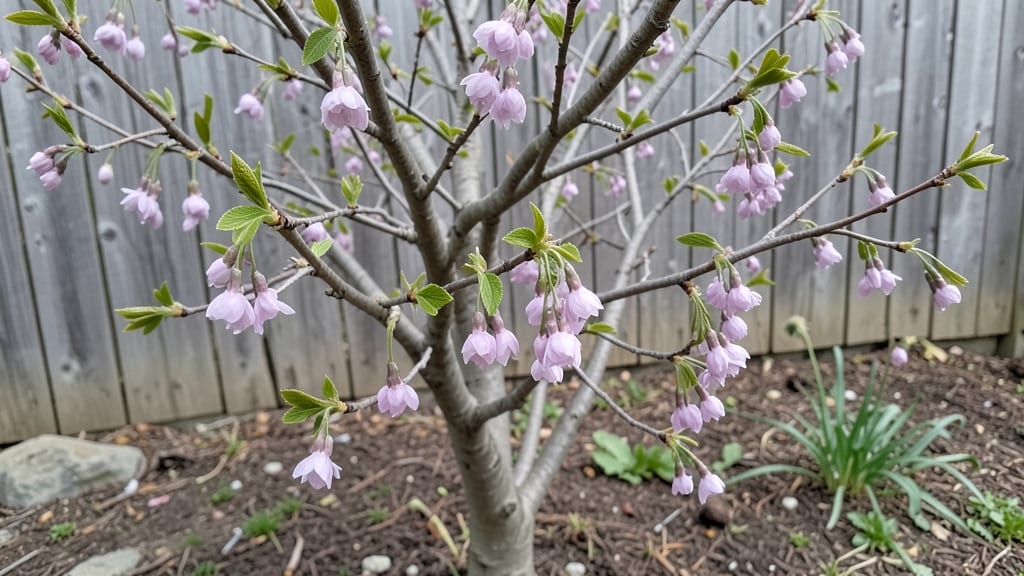
Pink flowers on a green tree isn't just a dream—it's a living privacy screen that blooms from spring to winter. 🌸 I stumbled upon this combo while designing my own backyard retreat, and the transformation was instant: fragrant blooms softening the green walls year-round, with zero compromises on height or density.
The secret pairing? Eastern redbud (Cercis canadensis) for its early pink bursts, backed by evergreen hydrangeas (Hydrangea paniculata) for structure and late-season color. Add rhododendrons for spring fragrance and summer foliage, and you’ve got a layered screen that stays lush even when some plants sleep.
The best part? It thrives in partial shade, making it perfect for tight spaces where full sun would scorch other plants.
You’ll end up with a garden that feels like a secret garden—soft pinks peeking through deep greens, the air thick with sweet blooms, and a backdrop that never looks bare.
The maintenance is simple: prune once a year, mulch to retain moisture, and watch as neighbors ask how you pulled it off. Here’s how to layer it like a pro.
This design works for romantic cottage gardens, modern shade retreats, or even urban privacy barriers. The key is starting with the right evergreen foundation, then weaving in deciduous bloomers for seasonal drama. Let’s make your backyard the envy of the block—without sacrificing function for beauty.
📚 In This Guide
- What you need
- Instructions
- Tips and common mistakes
- Wrapping up and next steps
What you need
- ● Pink flowering tree seedlings or saplings: Choose Cercis canadensis (Eastern Redbud) or Lagerstroemia indica (Crape Myrtle) varieties—3-5 plants per 10-foot section for full coverage.
- ● Well-draining potting soil: 50 lbs (for planting in-ground) or 10-20 lbs per plant (for containers). Mix with compost for nutrient-rich growth.
- ● Organic mulch (wood chips or pine straw): 2-3 inches to retain moisture and suppress weeds.
- ● Slow-release fertilizer (10-10-10 or 20-20-20): 1 lb per plant to kickstart growth.
- ○ Drip irrigation system or soaker hoses: Optional but recommended for consistent watering.
- ● Garden trowel or spade: For digging holes 2-3 times wider than the root ball.
- ● Wheelbarrow or bucket: For mixing soil and carrying materials.
- ● Gloves & knee pads: Highly recommended for comfort during planting.
- ● Pruning shears: For shaping and maintaining your privacy screen.
- ● Measuring tape: To ensure 6-8 feet apart between plants for optimal airflow.
- ○ Stakes & twine (optional): For supporting young saplings in windy areas.
- ● Sunlight: Full sun (6+ hours/day) for best blooms and growth.
- ● Spacious planting area: Minimum 10 feet wide x 6 feet deep per plant (adjust for larger varieties).
- ● Water source: Ready access for deep watering 2-3 times per week during the first year.
- ● Patience: Trees may take 2-3 years to reach full privacy height (15-20 feet).
How to create a year-round privacy screen with fragrant pink blooms
Here's the approach I've used to transform bare spaces into lush, fragrant privacy screens that stay vibrant all year.
🌱 Step 1: Select the Right Plants for Four-Season Interest
For a year-round privacy screen with pink flowers, combine evergreen shrubs for structure with deciduous bloomers. I recommend Emerald Green Arborvitae for the foundational greenery—it stays dense and provides winter coverage. For pink blooms, add Weigela (spring/summer) and Dwarf Fothergilla (spring) to the mix. These plants thrive in USDA Zones 5-8 and handle both sun and partial shade.
The key is layering: plant taller evergreens (6-8 feet) at the back, mid-height bloomers (4-5 feet) in the middle, and low-growing ground covers (like Dwarf Lilac) in front. This creates depth while ensuring flowers appear at all levels. Space plants 3-5 feet apart to allow room for mature growth—crowding leads to weak stems and fewer blooms.
☀️ Step 2: Prepare the Site for Optimal Growth
Clear the area of weeds and loosen the soil to a depth of 12 inches using a shovel or rototiller. Test the soil pH—most flowering shrubs prefer slightly acidic to neutral (6.0-7.0). If your soil is heavy clay, amend it with 2-3 inches of compost mixed into the top 6 inches of soil. For sandy soil, add 1 inch of peat moss to improve moisture retention.
Dig holes twice as wide as the root ball but only as deep. This encourages roots to spread horizontally rather than settling too low, which can cause rot. Water each hole thoroughly before planting to help settle the soil and remove air pockets. I always add a slow-release fertilizer (like 10-10-10) to the bottom of each hole—this gives roots a nutrient boost right away without burning tender new growth.
🪴 Step 3: Plant for Structure and Seasonal Color
Place the largest plants at the back of the screen, working forward to smaller specimens. Remove any broken or circling roots from the root ball before setting it in the hole. Backfill with native soil mixed with a handful of compost to encourage microbial activity. Press gently around the base to eliminate air gaps but avoid compacting the soil.
For the Weigela and Dwarf Fothergilla, I plant them 18-24 inches apart in a staggered pattern. This creates a natural, flowing look while ensuring each plant gets adequate airflow to prevent fungal diseases. Mulch immediately after planting with 3 inches of shredded bark—this conserves moisture, suppresses weeds, and regulates soil temperature. Keep mulch 6 inches away from plant stems to prevent rot.
💧 Step 4: Water and Maintain for Long-Term Privacy
Water deeply once a week for the first month, then taper to every 10-14 days depending on rainfall. The goal is to moisten the soil to a depth of 12 inches—use a soil probe to check. Overwatering is the fastest way to kill these plants; you'll know it's right when the soil feels damp but not soggy. During the first growing season, I add a balanced liquid fertilizer (like 20-20-20) every 4-6 weeks to encourage robust root and stem development.
Prune Weigela and Dwarf Fothergilla immediately after flowering to shape the plant and promote next year's blooms. Cut back one-third of the oldest stems to the ground to rejuvenate growth. For Arborvitae, a light trim in early spring keeps the shape neat without stressing the plant. Avoid heavy pruning in late summer—this encourages tender growth that won't harden off before winter.
⏰ Step 5: Seasonal Care for Continuous Privacy
In spring, apply a 2-inch layer of mulch to replenish what broke down over winter. This also signals to the plants that it's time to wake up and grow. Watch for aphids on new Weigela growth—spray with neem oil if you see sticky residue on leaves. Fall is the best time to fertilize lightly with slow-release granules to build next year's blooms.
Winter care is minimal: just remove any debris from around the base of plants and shake off snow from heavy branches to prevent breakage. If you're in a Zone 5 or colder, wrap young plants with burlap during extreme cold snaps. By year three, your screen will be dense enough to block views naturally—no wrapping needed. The pink blooms of Weigela and Fothergilla will appear in early spring, while Arborvitae keeps the greenery lush year-round.
Tips & tricks for perfect year-round privacy screens
Creating a lush, fragrant privacy screen takes thoughtful planning—here's how to avoid common pitfalls and elevate your design to professional standards.
Layering is Everything: When arranging your plants in Step 1, visualize the mature height of each variety. I always sketch a simple diagram first to ensure the 6-8 foot Emerald Green Arborvitae forms the back row while Dwarf Lilac remains at the front. This creates that coveted "living wall" effect where flowers appear at every level. Pro tip: Place taller plants slightly staggered rather than in perfect rows—this mimics natural growth patterns and prevents that unnatural, geometric look.
Soil Prep Makes or Breaks Success: In Step 2, don't skip the soil test—most garden centers offer quick pH test kits for under $10. I've seen beautiful plantings fail because the soil was too alkaline (above 7.0). For clay soil, mix in that 2-3 inches of compost thoroughly—don't just pile it on top. The key is creating a loose, crumbly texture that roots can easily penetrate. For sandy soil, that 1 inch of peat moss acts like a moisture sponge, preventing your plants from drying out between waterings.
Root Care During Planting: The way you handle roots in Step 3 determines long-term health. When removing plants from their containers, gently squeeze the root ball to encourage roots to spread naturally. I always cut away any circling roots with clean shears—these roots strangle the plant as they grow. Another secret: After planting, water again immediately to eliminate any air pockets around the roots. This single step prevents transplant shock that can kill plants within weeks.
Seasonal Maintenance Calendar: Create a simple checklist based on Step 5's seasonal care. Mark your calendar for early spring mulching (right when forsythia blooms) and fall fertilization (after your first frost). I keep a small notebook by my back door with notes about each plant's needs—like when Weigela needs pruning after flowering or when to watch for aphids. This prevents those "oops" moments where you forget critical care tasks and your screen loses its luster.
Pro Tips for Green Tree Pink Flowers
- Creating a lush, fragrant privacy screen takes thoughtful planning—here's how to avoid common pitfalls and elevate your design to professional standards.
- Layering is Everything: When arranging your plants in Step 1, visualize the mature height of each variety.
- Soil Prep Makes or Breaks Success: In Step 2, don't skip the soil test—most garden centers offer quick pH test kits for under $10.
Frequently asked questions
Got questions about growing green tree pink flowers (like Cercis canadensis or Lagerstroemia) for a fragrant, year-round privacy screen? Here are answers to the most common ones:
What’s the best time to plant green tree pink flowers for fast growth?
Plant in early spring or fall when temperatures are mild (50–70°F). This gives roots time to establish before extreme heat or cold. Avoid planting in summer—young trees stress easily under drought or intense sun. Pro tip: Water deeply weekly for the first year to encourage root growth!
How tall do these trees grow, and how quickly?
Most varieties like Eastern Redbud reach 20–30 feet in 10–15 years, while Crape Myrtle can hit 15–25 feet in 5–10 years. Growth speed depends on soil, sunlight, and care. Prune annually to shape and encourage denser foliage for faster privacy.
Do green tree pink flowers need full sun, or can they tolerate shade?
They thrive in full sun (6+ hours/day), but some varieties (like Weigela) tolerate partial shade (4–6 hours). Too little light? Expect fewer blooms and leggy growth. Test your yard: If nearby plants struggle in shade, these trees likely will too!
Are there low-maintenance alternatives with similar pink blooms?
Yes! Try Abelia (drought-tolerant, 3–6 ft tall) or Spirea (hardy, 2–5 ft). For taller screens, Forsythia (8–12 ft) offers early spring blooms. All three are deer-resistant and require minimal pruning. Bonus: They’re often cheaper than ornamental trees!
Why aren’t my pink flowers blooming this year?
Common culprits: over-fertilizing (too much nitrogen = leafy growth, no flowers), poor sunlight, or stress from drought/transplant shock. Try this: Reduce fertilizer, water consistently, and prune dead branches. Most trees bloom best on mature wood—give them 2–3 years to establish!
Can I grow these trees in containers for small spaces?
Small varieties like Dwarf Crape Myrtle (6–10 ft) work well in large containers (24"+ diameter). Use well-draining soil and repot every 2–3 years. Warning: Containers dry out faster—water daily in summer and move pots to shaded areas during heatwaves.
Wrapping up and next steps
Transforming your outdoor space with green tree pink flowers isn’t just about aesthetics—it’s about creating a fragrant, private haven that thrives year-round! 🌸 These stunning plants offer beauty, functionality, and low-maintenance charm, making them the perfect addition to any garden or patio.
Whether you’re a seasoned gardener or a beginner, their resilience and vibrant blooms will bring joy and tranquility to your space.
Ready to take the next step? Start small—plant a single tree or shrub to test your space, or go bold with a full privacy screen. Your dream garden is just a few seeds (or saplings) away! Happy planting! 🌱