
Flowers
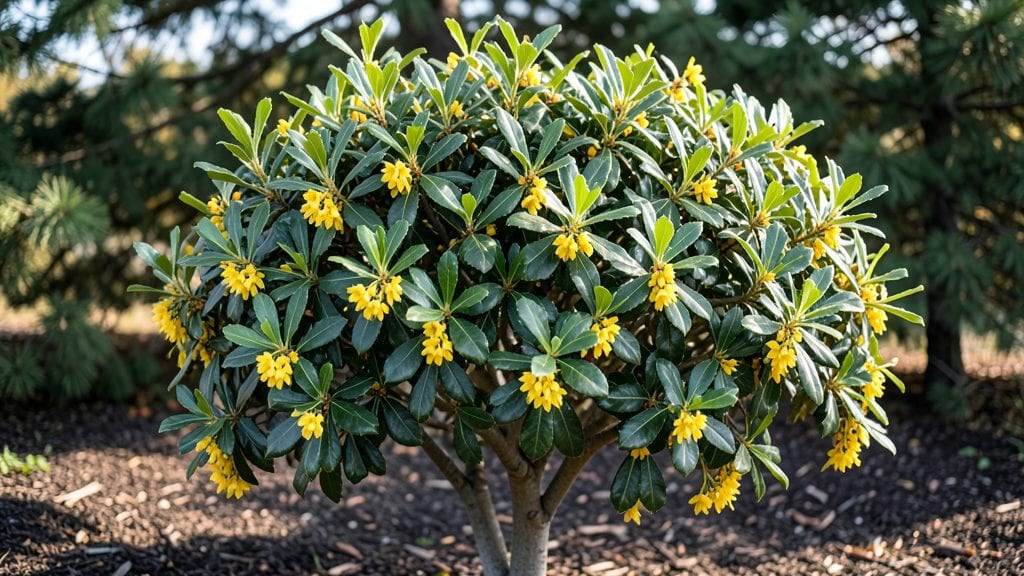
Transform your yard into a sunlit haven with a holly tree with yellow flowers—the Ilex × 'Golden King' or Ilex verticillata 'Golden Glow' shines with fragrant blooms and glossy leaves, but only when you master sunlight, soil, and water all play a role.
I’ve grown both varieties, and the difference between a thriving plant and a struggling one comes down to these basics.
These holly trees love partial shade to full sun, with morning sunlight ideal for vibrant yellow foliage. Well-draining, slightly acidic soil (pH 5.0–6.5) keeps roots happy, and mulch helps retain moisture without drowning the roots.
Containers work too—just use a pot with drainage and refresh the soil every 2–3 years to prevent nutrient depletion.
By spring, you’ll see clusters of fragrant yellow flowers followed by red berries (if planted as male/female pairs). Prune in late winter to shape the tree and encourage new growth, but avoid heavy cuts—these holly trees reward patience with neighborhood-turning color and texture.
Common mistakes? Overwatering in winter or ignoring soil acidity. Test your soil and adjust with sulfur if needed, and always water at the base to keep leaves dry. With the right care, your holly tree will be the star of your landscape for decades.
📚 In This Guide
- What you need
- Instructions
- Tips and common mistakes
- Wrapping up and next steps
What you need
- ● Holly tree with yellow flowers (e.g., Ilex × ‘Nellie R. Stevens’ or Ilex × ‘Dwarf Burford’—choose a variety suited to your climate). Quantity: 1-3 plants (depending on desired size).
- ● Well-draining potting mix (for containers) or loamy, slightly acidic soil (pH 5.0–6.0 for landscapes). Quantity: 5-10 gallons per container or amend 2–3 cubic feet of garden soil.
- ● Organic mulch (e.g., pine bark or shredded leaves). Quantity: 2–3 inches to retain moisture and suppress weeds.
- ● Slow-release fertilizer (10-10-10 or acidic fertilizer like Miracle-Gro Azalea/Camellia). Quantity: 1–2 tablespoons per plant.
- ● Garden gloves (to protect hands from thorns and soil).
- ● Trowel or spade (for planting in containers or landscapes).
- ● Watering can or hose with a gentle nozzle (avoid over-saturating roots).
- ● Pruning shears (sterilized with rubbing alcohol for trimming).
- ○ Container with drainage holes (12–18 inches deep for dwarf varieties; larger for standard holly trees). Optional: Decorative cache pots for aesthetics.
- ● Soil pH test kit (to ensure optimal acidity).
- ● Sunlight access: Partial shade to full sun (6+ hours of light for vibrant blooms).
- ● Climate suitability: Hardy in USDA Zones 5–9 (check your local frost dates!).
- ● Water source: Consistent access to water for the first 2–3 weeks post-planting.
- ● Patience! Yellow-flowering holly trees may take 2–5 years to bloom fully.
Step-by-Step instructions for growing a holly tree with yellow flowers
Here’s how to cultivate this fragrant beauty—whether in a container or landscape—with vibrant yellow blooms each spring.
Choose the Right Location for Planting
Yellow-flowering holly thrives in partial shade—think dappled sunlight or morning sun with afternoon shade. A spot with 4-6 hours of filtered light prevents leaf scorch while encouraging abundant blooms. In containers, place near a north- or east-facing window or under a tree canopy.
Test the soil by squeezing a handful—it should crumble easily but hold shape. If your soil is heavy clay, mix in 2-3 inches of compost to improve drainage. Holly prefers slightly acidic soil (pH 5.0-6.5), so add a handful of peat moss or pine needles if your soil tests alkaline.
Prepare the Planting Site or Container
For in-ground planting, dig a hole twice as wide as the root ball but no deeper. Gently loosen the roots if they’re circling tightly—this helps them establish faster. Place the plant so the top of the root ball sits 1 inch above ground level to prevent rot.
For containers, use a 15-20 gallon pot with drainage holes. Fill the bottom with 3-4 inches of gravel or broken pottery to improve drainage. Use well-draining potting mix (avoid garden soil—it compacts and suffocates roots). Water the mix until it’s moist but not soggy before planting.
Plant and Water Thoroughly
Set the holly in the prepared hole or container and backfill with soil, pressing gently to remove air pockets. Water deeply—about 1 gallon per plant—to settle the soil and encourage root growth. Mulch the surface with 2-3 inches of shredded bark or pine straw, keeping it 3 inches away from the trunk to prevent rot.
Yellow-flowering holly needs consistent moisture but hates soggy roots. Water 1-2 times per week during the first growing season, checking the soil 1 inch below the surface. If it feels dry, water again. Once established, it’s drought-tolerant but blooms best with regular moisture.
Provide Care for Healthy Growth and Blooms
Fertilize in early spring with a balanced, slow-release fertilizer (10-10-10). Sprinkle ½ cup per plant around the base, then water deeply to activate the granules. Avoid high-nitrogen fertilizers—they promote leafy growth at the expense of flowers.
Prune in late winter or early spring before new growth begins. Remove dead, diseased, or crossing branches first, then shape the tree by cutting back overgrown stems to an outward-facing bud. Never prune after June—this reduces next year’s flower production.
Protect and Encourage Fragrant Blooms
Yellow-flowering holly produces its best blooms on mature wood, so avoid heavy pruning. If you notice yellow leaves in summer, it’s often due to overwatering or poor drainage. Let the soil dry slightly between waterings, and ensure containers have adequate drainage.
Watch for spider mites or scale insects—common pests on holly. Spray affected areas with neem oil or a horticultural oil in early spring before new growth appears. A healthy tree with vibrant yellow flowers and fragrant foliage is your reward for proper care.
Tips & tricks for perfect holly tree with yellow flowers
Growing a holly tree with vibrant yellow flowers takes patience and attention to detail—here’s how to set yourself up for success from the very beginning.
Location and Lighting: The 4-6 hours of filtered light mentioned in Step 1 is crucial for preventing leaf scorch while encouraging those bright yellow blooms. If your yard has limited shade options, consider using a sheer curtain on a south-facing window to diffuse harsh afternoon sun. I’ve seen holly trees in containers thrive near north-facing windows where they receive gentle morning light without the risk of burning.
Soil Preparation: When testing your soil in Step 1, pay close attention to its texture—it should crumble easily but hold its shape when squeezed. If you’re unsure about your soil’s acidity, pick up a pH testing kit from your local garden center. Holly trees prefer that slightly acidic range (5.0-6.5), and adjusting with peat moss or pine needles can make all the difference in flower production. I’ve found that even a small adjustment in pH can result in noticeably healthier foliage and more abundant blooms.
Container Care: For those growing in containers, the 15-20 gallon pot recommendation in Step 2 is perfect for mature trees, but younger plants can start in smaller 5-gallon pots. Make sure your container has drainage holes—this is non-negotiable for holly trees. I’ve seen many gardeners make the mistake of using decorative pots without drainage, which leads to root rot and stunted growth. If you love the look of cache pots, place your holly in a nursery pot with drainage first, then nest it inside your decorative container.
Watering Wisdom: The 1-2 times per week watering guideline in Step 3 is ideal during the first growing season, but be mindful of your local climate. In hot, dry summers, you might need to water more frequently, while cooler, wetter seasons may require less. Always check the soil 1 inch below the surface—this is the best way to determine if your holly needs water. I’ve learned this the hard way after watching a holly tree suffer from both overwatering and underwatering in the same season.
Pro Tips for Holly Tree With Yellow Flowers
- Growing a holly tree with vibrant yellow flowers takes patience and attention to detail—here’s how to set yourself up for success from the very beginning.
- Location and Lighting: The 4-6 hours of filtered light mentioned in Step 1 is crucial for preventing leaf scorch while encouraging those bright yellow blooms.
- Soil Preparation: When testing your soil in Step 1, pay close attention to its texture—it should crumble easily but hold its shape when squeezed.
Frequently asked questions
Got questions about growing holly trees with yellow flowers? You’re not alone! Here are some of the most common queries—plus straightforward answers to help you cultivate stunning, fragrant blooms with ease.
What’s the best time to plant a holly tree with yellow flowers?
Plant your holly tree in early spring or fall when temperatures are mild (50–70°F). This gives roots time to establish before summer heat or winter frost. Avoid planting in late summer, as new growth may struggle before the first freeze. For container gardening, plant anytime the soil isn’t frozen!
Do holly trees with yellow flowers need full sun?
While they thrive in full sun (6+ hours/day), these hollies tolerate partial shade (3–6 hours), especially in hot climates. Yellow-flowering varieties like Ilex × ‘Nellie R. Stevens’ or Ilex cornuta ‘Dwarf Burford’ may produce fewer blooms in deep shade. Monitor leaves—yellowing edges can signal too much sun or wind exposure.
Why aren’t my holly tree’s yellow flowers blooming?
Common culprits include:
- Insufficient light: Move to a sunnier spot (but avoid harsh afternoon sun in hot zones).
- Over-fertilizing: Too much nitrogen = leafy growth, fewer flowers. Use a balanced 10-10-10 fertilizer in early spring.
- Stress: Check for pests (scale, spider mites) or root rot (soggy soil). Prune dead branches to encourage new blooms.
- Age: Young trees (under 3 years) may not bloom yet—be patient!
Pro tip: Prune after flowering to shape the tree and promote next year’s blooms.
Are there non-toxic alternatives to traditional hollies with red berries?
Yes! If you want yellow flowers + berries but need pet-safe options, try:
- Ilex verticillata ‘Southern Gentleman’: Yellow flowers, red berries (mildly toxic but less harmful than other hollies).
- Osmanthus × burkwoodii: Fragrant yellow-white blooms, no berries, and fully non-toxic.
- Forsythia: Bright yellow flowers (early spring), fast-growing, and pet-friendly.
Bonus: Pair hollies with deutzia or abelia for layered spring color!
How often should I prune a holly tree with yellow flowers?
Prune once a year, ideally right after flowering (late spring) to:
- Remove dead/diseased branches.
- Shape the tree for airflow (prevents fungal issues).
- Encourage denser growth (cut back 10–20% of old wood).
Avoid heavy pruning in fall/winter—it stresses the tree before dormancy. Use sterilized tools to prevent disease spread!
Wrapping up and next steps
Growing a holly tree with yellow flowers is a rewarding way to bring vibrant color and fragrant blooms to your garden or containers. Whether you're a seasoned gardener or just starting, these cheerful plants thrive with the right care—sunlight, well-draining soil, and a little patience. 🌸
Now that you’re equipped with the knowledge, take the next step—plant your holly tree and watch your space transform! Share your progress with fellow plant lovers or explore complementary blooms to create a stunning spring display. Happy gardening! 🌱