
Trees
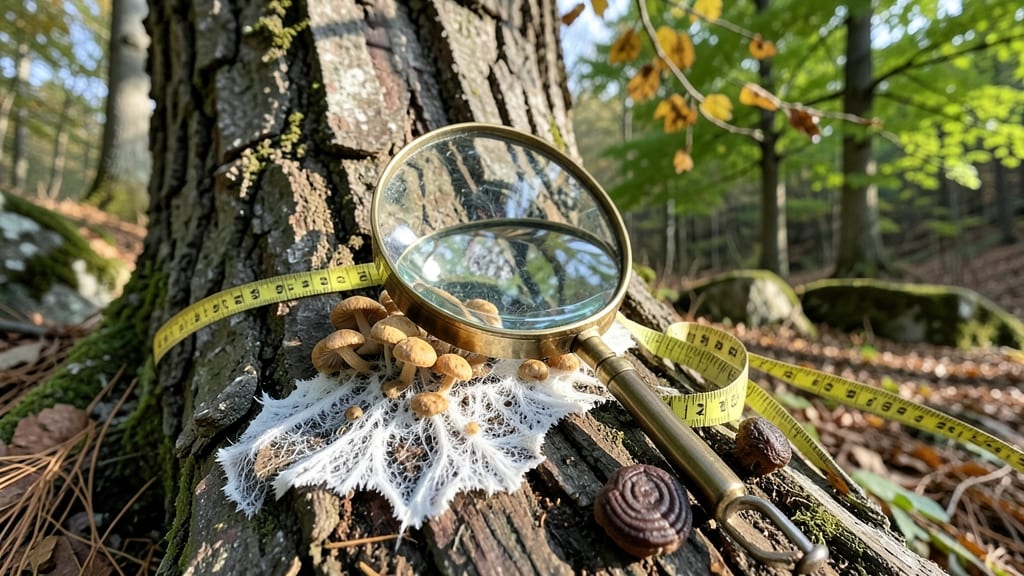
Honey fungus in trees is the silent killer of woodlands, creeping through roots like a thief in the night and leaving behind a trail of wilted branches and rotting trunks. I’ve watched it turn a thriving oak into a hollow shell in just two years—it’s that relentless.
The telltale signs are easy to miss until it’s too late: clusters of honey-colored mushrooms at the base, sawdust-like rot when you scrape the bark, and leaves that yellow even when the soil is moist.
This fungus thrives in damp, shaded spots where roots are already stressed—think overcrowded gardens or poorly drained soil. The good news? You can slow it down with organic fixes like removing infected stumps (where the fungus hides), improving drainage, and encouraging sunlight with strategic pruning.
For stubborn cases, chemical treatments exist, but they’re heavy artillery—best saved for high-value trees or when the fungus has already spread too far.
What you’ll walk away with is a foolproof plan to spot the early warnings and stop it before it claims another tree. We’re talking healthy woodlands again—no more sudden die-offs, no more mushrooms popping up like bad surprises.
The key is acting fast, whether that means digging up infected roots or simply giving your trees the space they need to breathe.
This works for backyard orchards, shade trees, and even wildwood edges—just adjust the approach based on how bad the infection looks. If the mushrooms are the size of dinner plates and the tree is already half dead, it’s time to call in the pros.
But for the early stages? You’ve got this.
Root Causes Of Tree Decay
Honey fungus—scientifically known as Armillaria—isn’t just a random invader; it thrives because of specific conditions that weaken trees or create ideal entry points. Understanding these causes is the first step to prevention and control. Below, we break down the key factors that turn your trees into vulnerable targets.
Healthy trees resist fungal infections through a combination of strong bark, root systems, and natural antimicrobial compounds. When these defenses falter, honey fungus seizes the opportunity.
- 🔬 Nutrient Deficiencies: Trees lacking essential nutrients (like nitrogen, phosphorus, or potassium) produce weaker structural tissues. Symptoms: Yellowing leaves, stunted growth, or brittle branches—all signs the tree is struggling to fight off pathogens.
- 🌡️ Environmental Stress: Drought, extreme heat, or waterlogging stress trees, making them more susceptible. Example: A tree recovering from a severe drought may have compromised root systems, inviting fungal spores to colonize.
- 🦟 Pest Damage: Insects like bark beetles or borers create entry wounds. Once inside, honey fungus spreads rapidly through these compromised pathways.
Actionable Tip: Regularly inspect trees for signs of stress (e.g., wilting, discolored leaves) and address deficiencies with targeted fertilizers or mulching.
Honey fungus doesn’t just attack weak trees—it waits for the perfect conditions to strike. These include:
- 🌧️ Moisture-Rich Environments: The fungus thrives in damp soil, especially after prolonged rain or poor drainage. Red Flag: Trees in low-lying areas or near water sources are high-risk.
- 🌳 Crowded Woodlands: Dense tree clusters limit airflow, creating humid microclimates that encourage spore germination. Science Note: Spores can travel up to 1.5 miles but prefer short distances (under 30 feet) in shaded, moist conditions.
- 🪵 Wounded or Dead Wood: Stumps, broken branches, or freshly cut trees provide direct access. Why? Decaying wood offers the fungus a food source and a foothold to spread to nearby healthy trees.
Pro Tip: Remove fallen logs or stumps promptly, and space out young trees to improve airflow. Learn more about creating hostile conditions for the fungus.
Sometimes, honey fungus hitches a ride on human actions. Unintentional but impactful, these activities accelerate its spread:
| Activity | How It Helps the Fungus | Solution |
|---|---|---|
| 🪓 Planting Trees Too Close | Creates a network of connected roots, allowing the fungus to jump from tree to tree. | Follow spacing guidelines (e.g., 15–20 feet for mature trees). |
| 🌱 Using Infested Mulch or Soil | Contaminated organic matter can introduce spores to new areas. | Sterilize soil or mulch with heat or fungicides before use. |
| 🪒 Poor Pruning Practices | Open wounds left by improper cuts create entry points. | Prune during dry seasons and seal wounds with pruning paste. |
Key Insight: Honey fungus can lie dormant in soil for years, so even "healthy"-looking woodlands may harbor it. Always assume risk and act preemptively.
Next: [How to Spot Honey Fungus Early] to catch it before it’s too late.
Tackling Fungal Threats in Trees
Facing honey fungus in trees can feel overwhelming, but with the right approach, you can restore your woodland’s health. Below are practical, step-by-step solutions tailored to the root causes—whether it’s early infection, advanced decay, or prevention for the future.
If you’ve caught the fungus early (e.g., small white mycelium strands or minor root damage), act fast to contain it.
🔥 Remove Infected Roots & Soil
- Prune infected roots – Use sterilized tools to cut away any roots showing signs of white, stringy mycelium.
- Dig out contaminated soil – Remove at least 12–18 inches of soil around the base of the tree to eliminate fungal spores.
- Dispose properly – Bag the infected material and do not compost it—burn it or send it to a landfill to prevent reinfection.
🍳 Apply Fungicidal Treatments
- Systemic fungicides (like propiconazole or phosphite-based sprays) can help weaken the fungus. Follow label instructions for dosage.
- Soil drenches with copper sulfate (mixed at 1 tsp per gallon of water) can inhibit fungal growth in the root zone.
🌡️ Boost Tree Resilience
- Water deeply but less frequently to encourage strong root growth.
- Avoid over-fertilizing—honey fungus thrives in nutrient-rich soil.
If the tree is severely weakened (e.g., hollow trunk, widespread mycelium, or dying foliage), you may need to decide between salvage or removal.
⚠️ Salvage a Dying Tree (If Possible)
- Thin the canopy – Reduce stress by removing 20–30% of the foliage to lighten the load.
- Support the trunk – Install propping or cabling if the tree is at risk of snapping.
- Monitor closely – If the fungus spreads further, removal may be the only safe option.
🪓 Remove the Tree Safely
- Hire a professional – Honey fungus spreads via underground rhizomorphs, so improper removal can worsen the problem.
- Dig a trench – If keeping the tree isn’t an option, dig a 3-foot-deep trench around the root ball to sever hidden fungal connections.
- Replace with resistant species – Avoid susceptible trees (like oaks, beeches, or fruit trees) and opt for honey fungus-resistant varieties (e.g., birch, sycamore, or horse chestnut).
The best defense is a proactive strategy to prevent honey fungus from taking hold.
🌿 Soil & Tree Care Best Practices
- Improve drainage – Honey fungus loves waterlogged soil.
Amend clay or compacted soil with sand or organic matter. - Avoid wounding trees – Prune correctly (use clean, sharp tools) and avoid girdling (removing bark rings). - Mulch properly – Use wood chips (not fresh wood) and keep mulch 3–4 inches deep, away from the trunk.
🔍 Regular Inspections
- Check for white strands on roots or bark annually, especially in spring and fall.
- Remove fallen leaves/debris – Fungal spores hitchhike on organic matter, so clear leaf litter from the base.
💡 Pro Tip: Biological Controls
- Encourage beneficial fungi – Some mycorrhizal fungi (like Trichoderma) can outcompete honey fungus. Ask a local nursery for tree-friendly alternatives.
- Plant companion species – Garlic, onions, or chives (alliums) can suppress fungal growth when planted nearby.
If you’re dealing with: ✅ Multiple infected trees in a woodland ✅ Uncertainty about identification (misting it for another disease) ✅ Large or valuable trees requiring expert removal
A certified arborist can assess the damage, recommend targeted treatments, and ensure safe, fungus-free removal.
Remember: Early action is key—once honey fungus establishes, it’s nearly impossible to eradicate. With vigilance, proper care, and timely intervention, you can protect your trees and keep your woodland thriving! 🌳💪
Frequently asked questions
What do honey-colored mushrooms growing at my tree's base mean?
Those are a classic sign of honey fungus (Armillaria spp.)! The mushrooms appear in clusters during damp weather, but the real danger lies underground—white, stringy rhizomorphs that spread through roots and kill trees from within. Check for other symptoms like wilting leaves or sawdust-like rot when scraping bark.
Can honey fungus jump between trees in my yard?
Absolutely—it spreads aggressively! The fungus creates underground "highways" (rhizomorphs) that can connect roots up to 30 feet apart. If one tree is infected, nearby trees are at serious risk. The best defense? Remove infected stumps immediately and space new plantings 15-20 feet apart.
Will removing the infected tree stop the fungus from spreading?
Not always—honey fungus often survives in the soil or stumps for years. To fully remove it, dig out at least 12-18 inches of soil around the roots and burn all infected material. For stubborn cases, a professional arborist can treat the area with fungicides or biological controls.
Are there trees that naturally resist honey fungus?
Yes! Some species are more resilient, like birch, sycamore, or horse chestnut. Avoid planting susceptible trees (oaks, beeches, or fruit trees) near infected areas. If you're replacing a lost tree, check with your local nursery for native, fungus-resistant varieties that thrive in your climate.
How can I tell if my tree is just stressed or actually infected?
Look for these red flags: White fungal strands on roots/bark, honey-colored mushrooms at the base, and sudden leaf yellowing (even with moist soil). Stressed trees may have dry leaves or weak growth, but honey fungus causes rapid decline—often within months. Scrape the bark for a musty smell or sawdust-like rot.