
Size
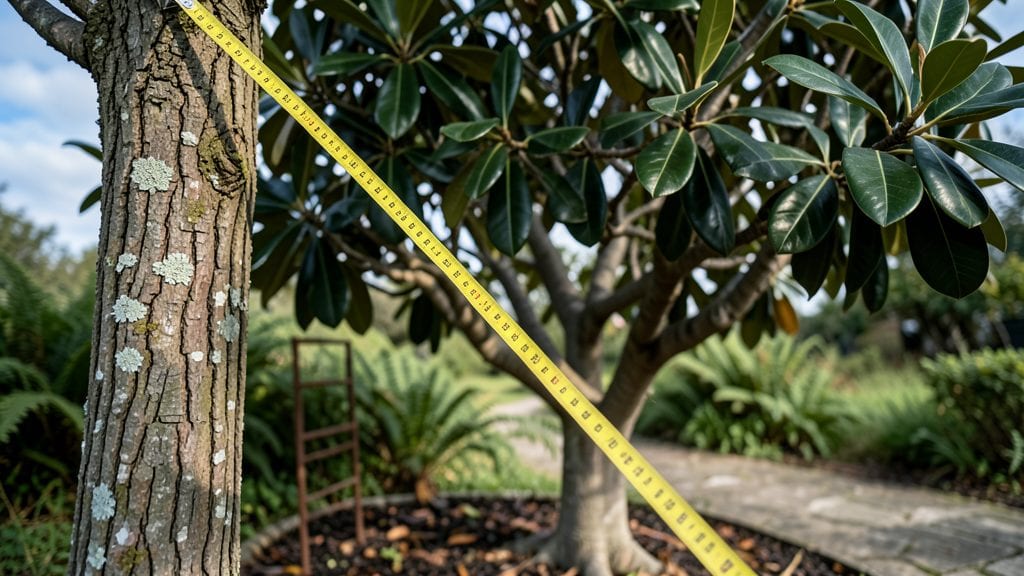
A magnolia tree grows to heights ranging from under 10 feet to towering 80 feet, depending on the variety you choose—so your yard’s size and vision matter more than you think.
If you're dreaming of a majestic magnolia tree in your yard, knowing its mature size is key to planning your landscape—some varieties tower over 80 feet while others stay compact enough for small gardens.
Imagine a Southern Magnolia 🌸 stretching taller than your house, or a 'Little Gem' fitting neatly in a corner.
This isn’t just about aesthetics—where you plant it affects everything from sunlight exposure to future pruning needs. A 20-foot tree in a tight space will outgrow its welcome fast, while a 60-foot giant needs room to spread its branches without crowding your deck.
Here’s how to match the right magnolia to your space, plus tips to control growth and keep it looking its best for decades.


Magnolia tree size by variety: height and spread guide
Choosing the right magnolia tree for your space starts with understanding its mature size. Some varieties grow as small as 8 feet, perfect for containers or tight yards, while others like the Southern Magnolia can reach 80 feet—taller than a three-story building!
Knowing these dimensions helps you plan spacing, avoid overcrowding, and create a balanced landscape design.
Magnolia trees also vary in spread, with some developing wide canopies that require 30 feet of clearance, while others stay compact with spreads under 10 feet. The key is matching the variety to your property size and sunlight conditions.
For example, dwarf magnolias thrive in small urban gardens, while tall evergreen magnolias make stunning focal points in large estates.
Below is a detailed breakdown of 12+ magnolia varieties, including their mature height, spread, and growth rates. This guide ensures you pick the perfect tree for your space—whether you want a privacy screen, a shade provider, or a spectacular flowering specimen.
🌸
| Variety | Mature Height (ft) | Mature Spread (ft) | Growth Rate | Best For |
|---|---|---|---|---|
| 'Little Gem' | 8-12 ft | 6-8 ft | Slow to Moderate | Small yards, containers |
| 'Black Tulip' | 10-15 ft | 8-10 ft | Moderate | Urban gardens, patios |
| 'Ann' | 15-20 ft | 12-15 ft | Moderate | Medium yards, shade trees |
| 'Jane' | 20-25 ft | 15-20 ft | Moderate | Large gardens, privacy screens |
| 'Saucer Magnolia' | 25-35 ft | 20-30 ft | Slow | Landscape focal points |
| 'Star Magnolia' | 20-30 ft | 15-25 ft | Moderate | Early spring blooms |
| 'Sweetbay Magnolia' | 30-40 ft |
Best magnolia trees for small yards vs large landscapesChoosing the right magnolia tree depends entirely on your space. Small urban yards need compact varieties that won’t overwhelm patios, while rural landscapes can accommodate towering specimens as focal points. The key difference? Mature height and spread—some stay under 10 feet while others reach 80 feet or more. Let’s match your dream magnolia to your yard’s reality. For small yards (under 15 feet), dwarf and semi-dwarf magnolias are game-changers. These varieties bloom beautifully without sacrificing curb appeal. In contrast, large landscapes can handle the giants—like the iconic Southern Magnolia—that become living monuments. The right choice means years of stunning blooms without future regrets about overcrowding or blocked views. Magnolia Tree Size ComparisonSmall Yards (Under 15 ft)
Large Landscapes (30+ ft)
Note: Always check local climate zones—some magnolias thrive in USDA Zones 6–9 while others prefer warmer regions.
If you’re working with a small yard, prioritize dwarf magnolias like 'Little Gem' (10–15 ft tall) or 'Black Tulip' (10–12 ft tall). These stay manageable while delivering fragrant blooms in early spring. For large landscapes, the Southern Magnolia (30–50 ft tall) becomes a statement piece, but it needs room to spread its leathery leaves and iconic flowers. Pruning is your secret weapon for controlling size. For small-yard varieties, prune in late winter to shape growth and remove dead branches. For large trees, focus on structural pruning every 2–3 years to maintain a balanced canopy. Never remove more than 25% of the foliage at once—this stresses the tree and reduces flowering. Consider soil conditions too—magnolias hate soggy roots. In small spaces, raised beds with well-draining soil keep roots healthy. For large landscapes, amending clay soil with compost improves drainage and encourages robust growth. A little prep now means fewer headaches later as your magnolia matures. My top tip? Visit a local nursery and compare varieties in person. See how 'Little Gem' fits beside your mailbox versus how a 'Kadampa' magnolia would dominate your backyard. The right choice turns your yard into a magnolia sanctuary—whether it’s a tiny balcony or a sprawling estate. |