
Blooming
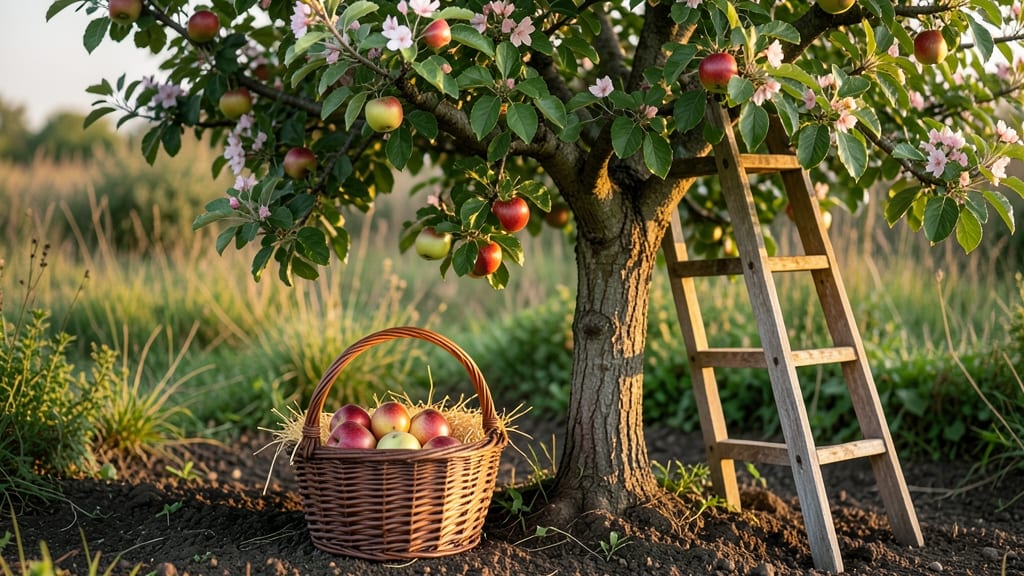
Apple trees produce fruit for 15 to 25 years under optimal conditions, with peak yields typically occurring between years 5 and 10. Proper care extends their productive lifespan, while neglect shortens it significantly.
Apple trees don't start bearing fruit immediately—they go through a juvenile phase that can last 3 to 5 years, depending on the variety and growing conditions. 🌱 Once they mature, the first few years of production might be modest, but proper care like regular pruning and balanced fertilization can accelerate their transition into full productivity.
The decline phase begins around year 20, where yields gradually taper off unless you're working with dwarf varieties, which often have longer productive windows.
What makes this timeline so fascinating is how environmental factors play a role. For example, apple trees in cooler climates with well-drained soil tend to live longer and produce more consistently than those in hot, dry regions.
I've seen neglected trees drop their fruit production by half within just 5 years, while those with consistent care can keep yielding well into their late 20s.
💡 In This Article
- Apple Tree Lifespan Stages and Fruit-Bearing Timeline
- Maximizing Apple Tree Fruit Production Through Care
Apple tree lifespan stages and fruit-bearing timeline
The journey of an apple tree from sapling to mature fruit producer follows distinct biological phases. During the juvenile phase (years 1-4), trees focus energy on root and trunk development rather than flowering.
This non-fruiting stage can extend to 5 years in some varieties, particularly those grafted onto dwarfing rootstocks which prioritize structural growth over reproduction. The transition to maturity occurs when the tree reaches a critical size—typically when its trunk diameter reaches 2-3 inches—triggering hormonal shifts that initiate flowering.
Here's what's actually happening biologically: Apple trees produce a hormone called florigen that signals flower formation when they've accumulated enough stored energy (usually in the form of starches in their roots). In optimal conditions—cool nights (50-60°F) followed by warm days (70-80°F)—this process accelerates.
Varieties like 'Honeycrisp' may start bearing as early as year 3, while heirloom types like 'Granny Smith' might wait until year 5. The first fruits are often small and sparse, but each successful bloom cycle reinforces the tree's reproductive pathways.
Climate plays a dramatic role in this timeline. Trees in Zone 5-7 (where winter chilling requirements of 600-1,000 hours below 45°F are met) typically reach peak production faster than those in warmer regions.
For example, a tree in Michigan might hit full yield by year 6, while one in California's Central Valley could take 8-10 years due to insufficient winter chilling.
Soil pH also matters—apple trees thrive in 6.0-6.5 pH ranges, where nutrient uptake is optimal for flower bud formation. 🌿 Poor soil can delay maturity by 2-3 years or more.
The peak production window (years 5-15) is when apple trees demonstrate their full genetic potential. A well-cared-for tree can produce 200-500 pounds of fruit annually during this period, depending on variety and growing conditions. This phase coincides with the tree's maximum leaf canopy and root system development.
What most people don't realize is that pruning strategy directly impacts this window—aggressive pruning in early years can delay maturity by 1-2 years as the tree diverts energy to regrow branches, while proper structural pruning maintains the ideal balance between growth and fruiting.
As trees enter the decline phase (years 20+), you'll notice several changes: branch dieback, reduced flowering, and smaller fruit. This isn't just about age—it's a combination of physiological exhaustion and accumulated stress. The tree's vascular system (which transports water and nutrients) becomes less efficient, and root systems shrink.
In dwarf varieties grafted onto semi-dwarf rootstocks, this decline may be delayed by 5-10 years compared to standard-sized trees. However, even neglected trees can show surprising resilience if given proper care during their later years.
One fascinating exception is the biennial bearing pattern some apple trees exhibit, where they alternate between heavy and light fruit years. This happens when the tree overproduces one year, depleting its energy reserves and forcing a "rest" year.
Skilled growers manage this through thinning fruit in heavy years or applying calcium carbide (a floral regulator) to reset the cycle. The science here involves manipulating the tree's carbohydrate reserves—too much fruit = less energy for next year's buds. 🍏
Understanding these stages helps explain why some orchards appear lush one year and barren the next.
The key to longevity lies in mimicking nature's rhythms: providing consistent moisture (especially during bloom and fruit set), maintaining proper soil aeration, and avoiding over-fertilization with nitrogen (which promotes leafy growth at the expense of fruit production).
With this knowledge, you can extend your tree's productive life well beyond the typical 25-year mark.