
Light Requirements
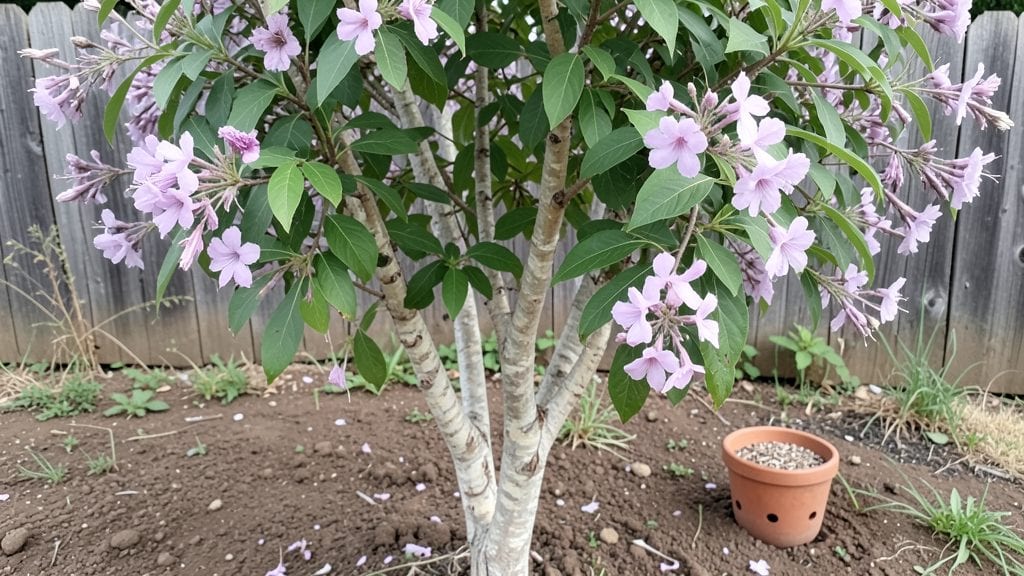
How much a crape myrtle tree costs depends on size and variety: small nursery plants (1-3 feet) range from $30 to $200, while mature trees (6+ feet) typically cost $150 to $600+. Dwarf varieties start around $25, and rare cultivars or large specimens can exceed $1,000 based on size and location.
Crape myrtle pricing reflects both the tree's growth stage and its genetic traits—younger plants are far more affordable because they're easier to transport and establish, while mature trees command higher prices due to their established root systems and larger canopies. 🌳 The most budget-friendly options are dwarf varieties, which are bred for smaller spaces but still deliver stunning blooms.
If you're shopping for a specimen tree (like the prized 'Muskogee' or 'Natchez'), expect to pay a premium, as these cultivars often require special care and have higher demand from landscapers.
Another key factor is where you buy: local nurseries may offer better quality control, while online retailers often provide competitive pricing with bulk discounts. I always recommend checking for seasonal sales—spring and fall are the best times to score deals, as nurseries clear out inventory before winter.
Just watch out for overpriced "rare" varieties; sometimes what looks exotic is just a marketing gimmick.
💡 In This Article
- Factors Influencing Crape Myrtle Tree Pricing
- Where to Buy Crape Myrtle Trees for Best Value
Factors influencing crape myrtle tree pricing
The size of a crape myrtle tree is the single biggest determinant of price. A 1-3 foot nursery plant typically costs $30-$200 because it's lightweight and easy to transport, while a 6-foot specimen can jump to $150-$600 due to its established root system and larger canopy.
The key difference is that mature trees require more space, heavier pots, and specialized handling during shipping—all of which drive up costs. 🌳
Variety plays a major role too. Popular cultivars like 'Natchez' (with its 6-foot height and 12-foot spread) or 'Muskogee' (a 10-foot tall variety) often cost 20-30% more than standard types because they're bred for specific traits like disease resistance or vibrant blooms.
Dwarf varieties, however, start around $25 because their compact size (3-5 feet) makes them ideal for urban gardens and patios. Rare or heirloom varieties can exceed $1,000 due to limited availability.
Rootstock quality and growing method also affect pricing. Container-grown trees cost more ($50-$300) because they're easier to transplant and have higher survival rates, while bare-root plants ($20-$150) are cheaper but require more care during planting.
The science behind this is simple: container-grown trees have established root systems that reduce transplant shock, making them a premium option for homeowners who want guaranteed success. 💰
Seasonal trends create another pricing layer. Spring and fall are peak buying seasons, so nurseries often offer 10-20% discounts on mature trees to clear inventory before winter. Winter sales can drop prices by up to 30%, but the trade-off is that younger plants may not survive harsh conditions.
Regional markups also vary—nurseries in colder climates charge more for cold-hardy varieties, while southern states may offer better deals on tropical hybrids.
One often-overlooked factor is the tree's health. A well-grown specimen with thick trunk calipers (2+ inches) and dense foliage will cost more than a leggy, underdeveloped tree of the same size.
The reason? Healthy trees establish faster and require less maintenance, which is why landscapers pay premiums for specimen-grade plants. Always inspect roots—healthy roots should be white or light tan, not brown or mushy.
Finally, location matters. Urban nurseries often charge 15-25% more than rural suppliers due to higher overhead costs, while online retailers can offer competitive pricing by buying in bulk.
What most people don't realize is that shipping costs for large trees can add $50-$200 to the final price—sometimes making local purchases more economical despite higher list prices. 🚚