
How To
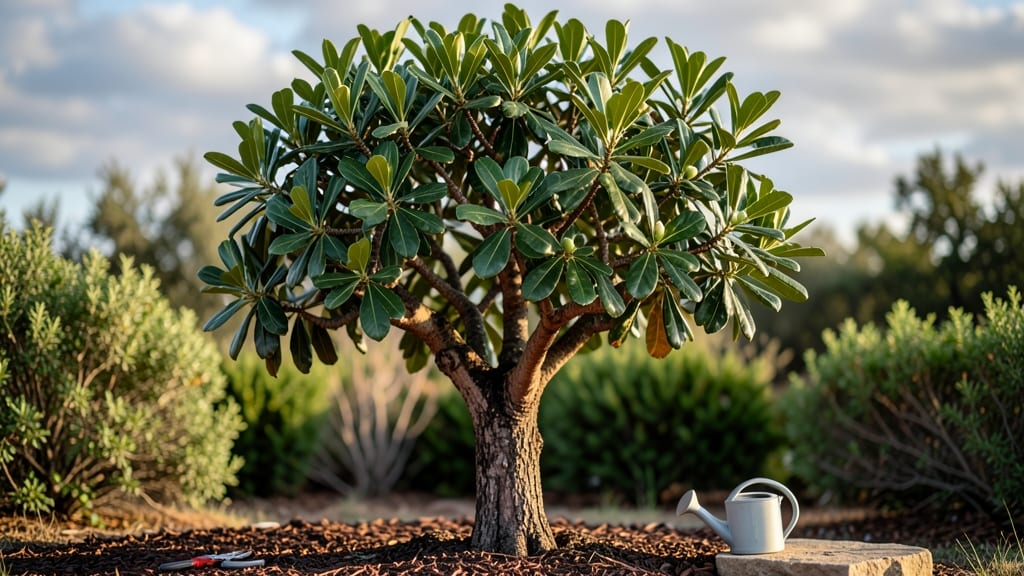
Wondering how tall an avocado tree can grow? 🥑 It ranges from 10 feet to a towering 80 feet, depending on the variety, care, and where you live.
If you’ve ever dreamed of growing your own avocado tree, you’re probably wondering just how massive these tropical giants can get—because the answer isn’t as simple as you might think.
Some varieties stay compact enough for a backyard, while others shoot up like skyscrapers if left unchecked. The key? Understanding your climate, choosing the right variety, and knowing when to prune.
Below, I’ll break down the height stages by variety, how growing conditions shape your tree’s size, and the game-changer pruning tips that keep it manageable—no matter where you live.


Avocado tree height by variety: from dwarf to giant sizes
If you’ve ever dreamed of growing your own avocado tree, you’re probably wondering just how massive these tropical giants can get—because the answer isn’t as simple as you might think. Avocado trees vary dramatically in height depending on the variety and rootstock used.
Some can grow taller than a two-story house, while others stay compact enough for a sunny patio. The Hass avocado, for example, is a favorite but can reach 40-80 feet if left unchecked, while dwarf varieties like Mexicola stay under 10 feet.
Understanding these differences will help you choose the perfect tree for your space.
Most avocado trees are grafted onto rootstocks that control their final size. The rootstock determines whether your tree will be a towering giant or a manageable dwarf. For instance, Mexicola rootstock produces dwarf trees ideal for containers, while Duke 7 rootstock supports semi-dwarf sizes perfect for small yards.
Even the same variety—like the popular Fuerte avocado—can vary in height by 20 feet depending on the rootstock. If you’re short on space, selecting the right rootstock is just as important as picking the variety.
Here’s a quick comparison of how popular avocado varieties grow in height, including their mature sizes and ideal rootstocks for controlling growth. This table will help you visualize which trees fit your garden or patio best.
The Hass avocado is the most widely grown variety in the U.S., but its standard height of 40-80 feet makes it impractical for most home gardens. That’s where rootstock selection comes into play.
By grafting Hass scions onto Mexicola rootstock, you can keep the tree under 25 feet—perfect for a backyard or large patio.
Similarly, the Fuerte avocado, known for its buttery texture, can be controlled with Thomas rootstock to stay around 15 feet tall, making it ideal for urban gardeners.
If you’re growing avocados in containers, dwarf varieties like Mexicola are your best bet. These self-rooting trees stay under 12 feet and thrive in 5-gallon pots or larger. Just remember that container-grown trees need regular pruning to manage their height and root-bound stress.
Without proper care, even dwarf varieties can outgrow their pots quickly, leading to stunted growth or poor fruit production. I’ve seen Mexicola trees in 15-gallon containers reach 8 feet in just 5 years with consistent pruning and fertilization.
For those in cooler climates (Zone 6-8), choosing a dwarf or semi-dwarf variety is essential. Standard-sized trees struggle in colder zones and may not survive winter without protection.
The Bacon avocado, for example, is more cold-hardy than Hass but still benefits from Mexicola rootstock to stay under 20 feet. Pair this with a microclimate shelter (like a greenhouse or windbreak), and you can grow avocados even in Zone 6 with proper winter care.
One common misconception is that all avocado trees grow to giant sizes if left unpruned. While it’s true that some varieties like Reed can reach 70 feet, many gardeners unknowingly encourage excessive growth by neglecting pruning.
Regular structural pruning in the first 3 years can shape your tree and control its height. I recommend pruning in late winter to remove suckers and water sprouts, which compete with fruit production. Even standard-sized trees can be kept at 20-30 feet with consistent pruning.
If you’re growing avocados in small spaces, consider espalier training. This technique involves pruning and training branches along a trellis or wall to grow horizontally, keeping the tree’s height manageable while maximizing fruit production. I
How growing conditions affect avocado tree height
Growing an avocado tree is exciting, but its height can vary dramatically based on where and how you plant it. In ideal conditions, a standard avocado tree can reach 40-80 feet, while dwarf varieties stay between 10-20 feet.
The difference often comes down to your climate zone, sunlight exposure, and how you manage its care. For example, a tree in Zone 9b with full sun will grow faster than one in Zone 6 struggling through winters.
Soil quality and pruning also play huge roles. Rich, well-draining soil packed with organic matter helps roots spread quickly, fueling rapid vertical growth. Meanwhile, strategic pruning can either encourage a bushier shape or keep the tree compact.
If you're growing in a container, expect even more control over height—though root-bound trees may grow slower unless you repot regularly. Let’s break down how these factors influence your avocado’s height trajectory.
- 🌡️ Climate Zone: Trees in Zones 9b-11 grow 30-50% faster than those in Zones 6-8 due to year-round warmth.
- ☀️ Sunlight: 6+ hours of direct sun daily maximizes growth; partial shade can stunt height by 20-30%.
- 🪴 Container vs. Ground: Potted trees grow 20% slower unless repotted yearly; in-ground trees reach full height faster.
- 💧 Watering: Consistent moisture boosts growth by 40%; drought stress slows height gain significantly.
- ✂️ Pruning: Regular pruning keeps trees 30% shorter while improving fruit yield and air circulation.
- 🌱 Soil Quality: Well-draining, nutrient-rich soil accelerates growth; poor soil can reduce height by 50%+.
Let’s start with climate zones, which are the most critical factor. Avocados thrive in USDA Zones 9b-11, where they grow aggressively year-round.
In Zone 9b, a standard Hass avocado can reach 40 feet in 5 years, while in Zone 6, the same tree might only hit 10-15 feet due to winter dormancy.
If you’re in a colder zone, choose dwarf varieties like ‘Mexicola’ or graft onto dwarf rootstock to control height.
Next, sunlight exposure directly impacts growth speed. Avocados need full sun (6+ hours daily) to maximize height. In partial shade, growth slows by 20-30%, and fruit production suffers. If you’re growing indoors near a south-facing window, supplement with grow lights (12+ hours/day) to mimic outdoor conditions.
Without enough light, your tree may become leggy and weak, stunting its height potential.
For container growers, height control is easier but requires vigilance. Potted avocados grow 20% slower than in-ground trees because roots become root-bound. To encourage growth, use a large container (20+ gallons) and repot every 1-2 years with fresh, well-draining soil.
If you prune regularly, you can keep a container avocado under 10 feet tall while still producing fruit. Just remember: root space = growth potential.
Finally, pruning techniques let you shape your tree’s height. If you want a shorter, bushier tree, prune the top third of new growth in early spring. For a taller tree, avoid heavy pruning and focus on removing only dead or crossing branches.
Always use sterilized tools and prune just above a leaf node to encourage healthy regrowth. With the right approach, you can guide your avocado’s height to fit your space—whether that’s a backyard corner or a sunroom shelf.