
Trees
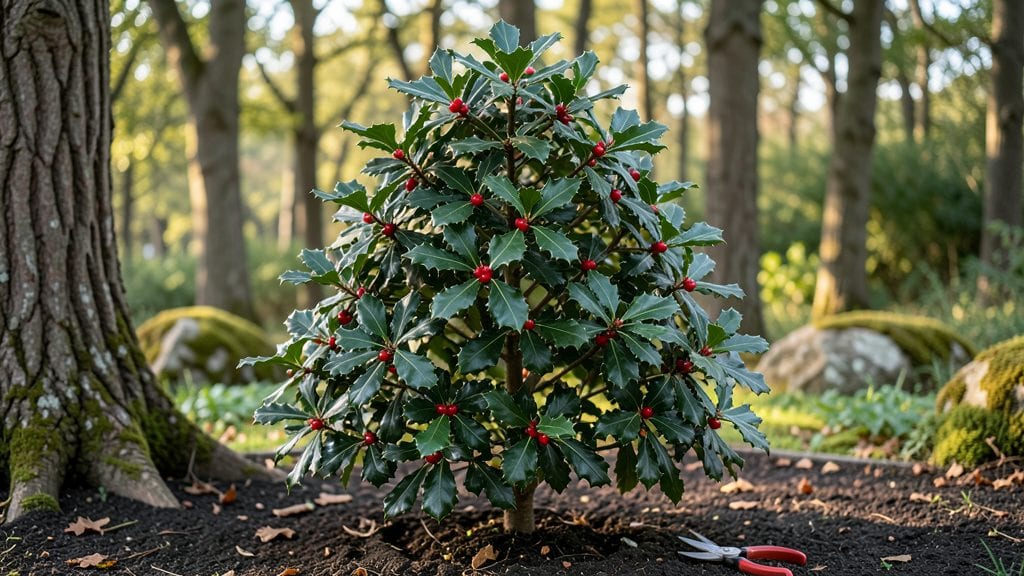
Holly trees 🌳 can grow anywhere from 10 feet to towering 60 feet tall, depending on the species and growing conditions.
Holly trees are prized for their glossy leaves and vibrant berries, but their growth potential varies dramatically—from compact shrubs to towering giants. If you're planning your landscape or garden, knowing which species will reach skyscraper heights (or stay manageable) is essential.
Some varieties, like the American holly, mature at 20-30 feet, while others, such as the English holly, can stretch up to 50 feet or more. The key to controlling their height lies in proper planting, sunlight exposure, and pruning techniques.
Below, I’ll break down the fastest-growing species, slow-growing giants, and practical tips to manage their size—whether you want a privacy hedge or a showstopping specimen tree.


Holly tree height by species: fastest-growing varieties vs. slow-growing giants
When planning your garden, holly trees offer stunning year-round interest with their evergreen foliage and bright red berries. However, their mature height can vary dramatically—from 5-foot shrubs to towering 50-foot giants.
Choosing the right variety ensures your landscape goals align with the tree's natural growth potential, whether you need a privacy screen, specimen tree, or foundation plant.
Understanding growth rates helps too. Some holly varieties grow 2-3 feet per year in ideal conditions, while others creep along at 6-12 inches annually. Climate also plays a role—southern holly thrives in heat, while English holly prefers cooler northern climates.
Let’s break down the tallest, fastest-growing varieties versus the compact dwarfs to help you pick the perfect fit for your space.
The English holly stands out as the fastest-growing and tallest variety, reaching 50 feet in ideal conditions. This makes it perfect for large properties or woodland gardens where height isn’t a concern. However, its spiny leaves and aggressive growth require regular pruning if you want to control its size.
For smaller spaces, dwarf varieties like Ilex 'Blue Princess' or 'Convexa' stay under 10 feet and grow slowly, making them ideal for containers, <
How to control holly tree height: pruning tips for small gardens
If your holly tree is reaching for the sky when you’d prefer it to stay closer to the ground, don’t worry—you’re not alone. Many gardeners face this challenge, especially in small yards where space is limited. The good news?
With the right pruning techniques, you can shape your holly into a manageable size without sacrificing its beauty or berry production. The key is timing, tools, and a little patience to encourage bushier growth instead of vertical spikes.
Holly trees respond well to pruning, but cutting at the wrong time or in the wrong way can stress the plant or even reduce berry yields. For example, female holly trees (the ones with berries) need specific care to maintain fruit production while keeping their height in check.
Whether you’re dealing with a towering English holly or a fast-growing American holly, these step-by-step tips will help you take control of your tree’s height while promoting a fuller, healthier appearance.
Step-by-Step Guide to Pruning Holly Trees for Height Control
-
Step 1: Choose the Right Time
Prune your holly in late winter or early spring (just before new growth begins). Avoid pruning in fall, as this can stimulate tender growth that may be damaged by frost. -
Step 2: Gather Your Tools
Use clean, sharp pruners or a pruning saw for thicker branches. Disinfect tools with rubbing alcohol to prevent disease spread. -
Step 3: Identify Target Branches
Remove suckers or water sprouts (fast-growing, vertical shoots) to redirect energy to lateral growth. Focus on branches growing upward or outward from the center. -
Step 4: Make Clean Cuts
Cut just above a bud or branch collar at a 45-degree angle to prevent water from pooling. Avoid leaving stubs, which can invite disease. -
Step 5: Thin Out the Canopy
Remove 1/3 of the oldest or weakest branches to improve airflow and light penetration. This encourages new growth at the base for a fuller shape. -
Step 6: Shape for Balance
Prune to create an open-centered shape with branches spaced evenly. Avoid over-pruning, which can stress the tree and reduce berry production. -
Step 7: Fertilize and Water
After pruning, apply a balanced fertilizer (10-10-10) and water deeply to help the tree recover. Mulch around the base to retain moisture.
For small gardens, consider pruning holly trees into a multi-stemmed shrub rather than a single-trunk tree. This approach creates a fuller, wider plant that stays lower to the ground.
If you’re working with a female holly, be mindful of berry production—prune lightly on one side each year to avoid removing all flower buds at once. For example, if you prune the south side this year, focus on the north side next year to maintain berries.
Remember, holly trees grow at a moderate pace, typically adding 12-24 inches per year. By pruning annually, you can keep even fast-growing varieties like American holly under control.
Just avoid heavy pruning in one season, as this can shock the tree and stunt growth. Instead, make gradual adjustments over time for the best results.
With these techniques, your holly will stay at your desired height while still showcasing its stunning foliage and berries. Happy pruning! ✂️🌿🌳