
Size
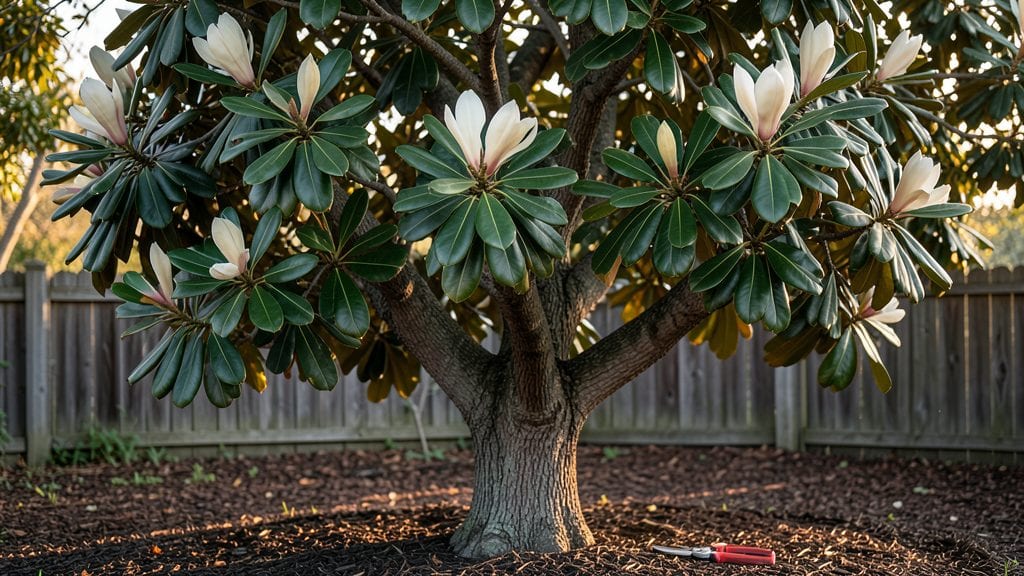
Before planting, it’s worth knowing how tall do magnolia trees grow, since their heights span from just 8 feet to towering over 80 feet—so choosing the right species for your yard is key.
Picture this: a 100-foot Southern magnolia casting shade over your entire backyard, or a delicate 10-foot star magnolia adding spring color to a patio corner. The difference between these two is more than just height—it’s about how much room you’re willing to give up for those iconic blooms.
Some magnolias grow slowly, taking decades to reach their full height, while others shoot up in just a few years. Soil, climate, and even pruning habits can shift that timeline dramatically. If you’re planning your landscape around one of these stunners, knowing these details upfront saves headaches later.
Here’s the breakdown: which species stay small enough for city lots, which ones need acres, and how to keep even the giants manageable with smart care. Let’s get to the numbers so you can plant with confidence.


Magnolia tree height ranges by species: from dwarf to giant varieties
Magnolias are among the most stunning trees in any landscape, but their height ranges can vary dramatically—from dwarf varieties perfect for small yards to giant species that dominate entire properties.
Understanding these differences helps you choose the right magnolia for your space, whether you're dreaming of a compact accent tree or a grand statement piece. The species you select will determine not just the space it occupies but also its care requirements and long-term impact on your garden.
Most magnolias fall into three broad height categories: dwarf (under 20 feet), medium (20-40 feet), and giant (over 40 feet). For example, the Magnolia stellata stays under 20 feet, while the Magnolia grandiflora can soar to 80 feet or more.
Even within these categories, growth rates and mature sizes can differ based on climate, soil quality, and pruning habits. Let’s explore the specifics so you can make an informed choice for your landscape.
| Species | Mature Height | Growth Rate | Best For |
|---|---|---|---|
| Magnolia stellata | 15-20 ft | Slow to moderate | Small yards, containers |
| Magnolia 'Little Gem' | 20-25 ft | Moderate | Urban gardens, privacy screens |
| Magnolia soulangeana | 20-30 ft | Moderate | Medium landscapes, focal points |
| Magnolia 'Black Tulip' | 15-20 ft | Slow | Small spaces, containers |
| Magnolia grandiflora | 60-80 ft | Slow | Large properties, specimen trees |
| Magnolia tripetala | 40-50 ft | Moderate | Woodland gardens, naturalized areas |
| Magnolia virginiana |
How fast do magnolia trees grow? Growth rates and mature timelineMagnolias are famous for their stunning blooms, but their growth pace can be surprisingly slow compared to other trees. On average, these trees grow about 12 to 24 inches per year, though some varieties can take decades to reach their full height. Understanding their growth timeline helps you plan your landscape design and manage expectations for these long-lived beauties. Your magnolia's growth rate depends heavily on its species, climate, and care. For example, Southern magnolias (Magnolia grandiflora) grow slower in cooler zones but thrive in warm climates, while star magnolias (Magnolia stellata) reach maturity faster. Even with ideal conditions, patience is key—most magnolias take 10 to 20 years to fully mature. 🌱
Climate plays a huge role in magnolia growth. In USDA Zones 7-9, where magnolias thrive, they grow faster due to longer growing seasons and warmer winters. However, in cooler zones (e.g., Zone 6), growth slows significantly, and flowering may be delayed. To boost growth, ensure your tree gets well-draining soil, regular watering, and mulch to retain moisture. If you're eager to see faster results, focus on young tree care. Prune only to remove dead branches—never to stunt growth—and avoid over-fertilizing, which can stress the tree. Instead, use a balanced fertilizer (10-10-10) in early spring to encourage steady, healthy growth. Patience is key, but with the right conditions, your magnolia will reward you with decades of beauty. 🌳 |